Cave Ouvert Valais
Cave Ouvert du Valais: Where the Mountains Open Their Cellars
A weekend of discovery in the Swiss Alps — with natural wine finally claiming its corner of the mountain.
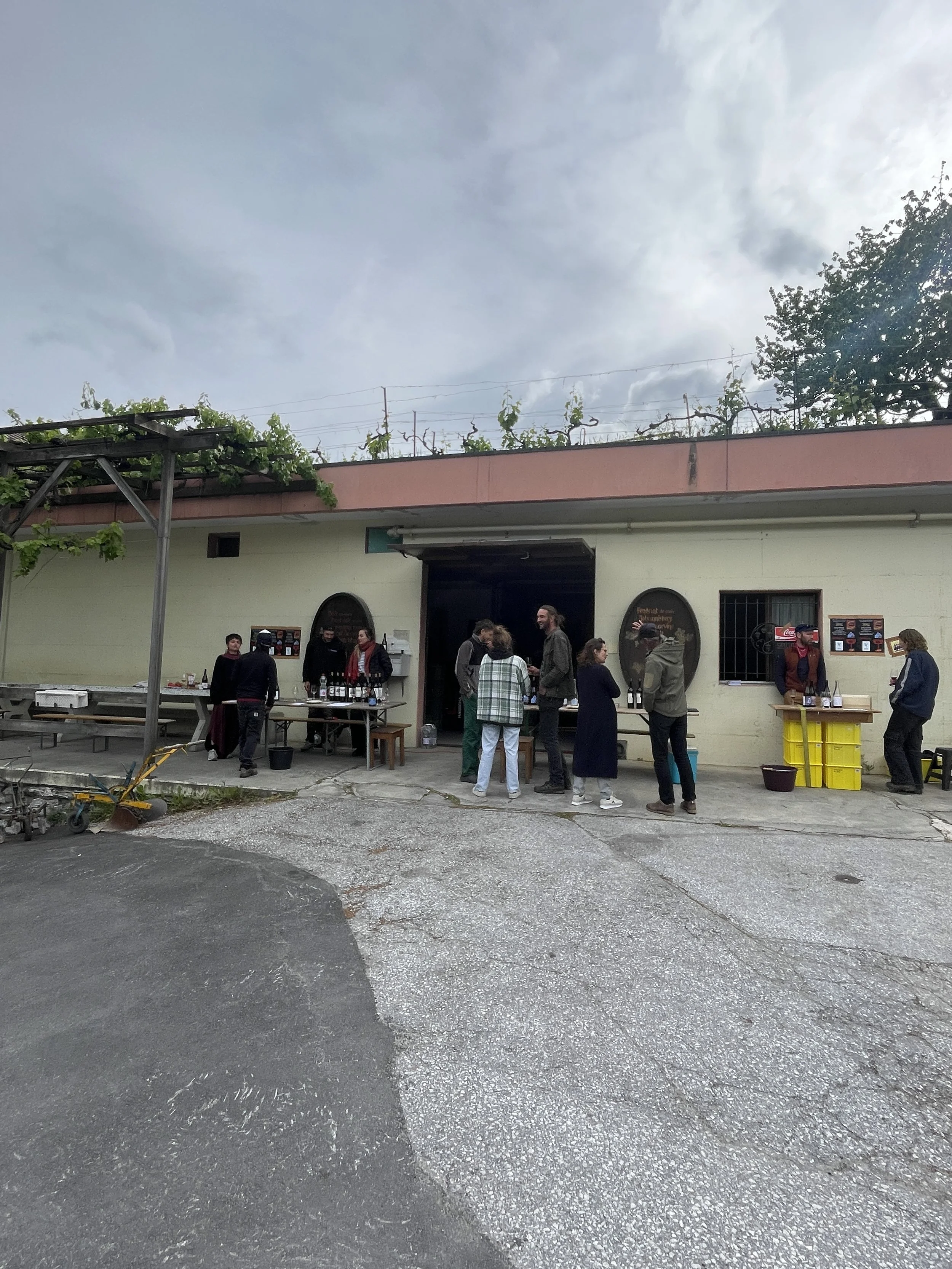
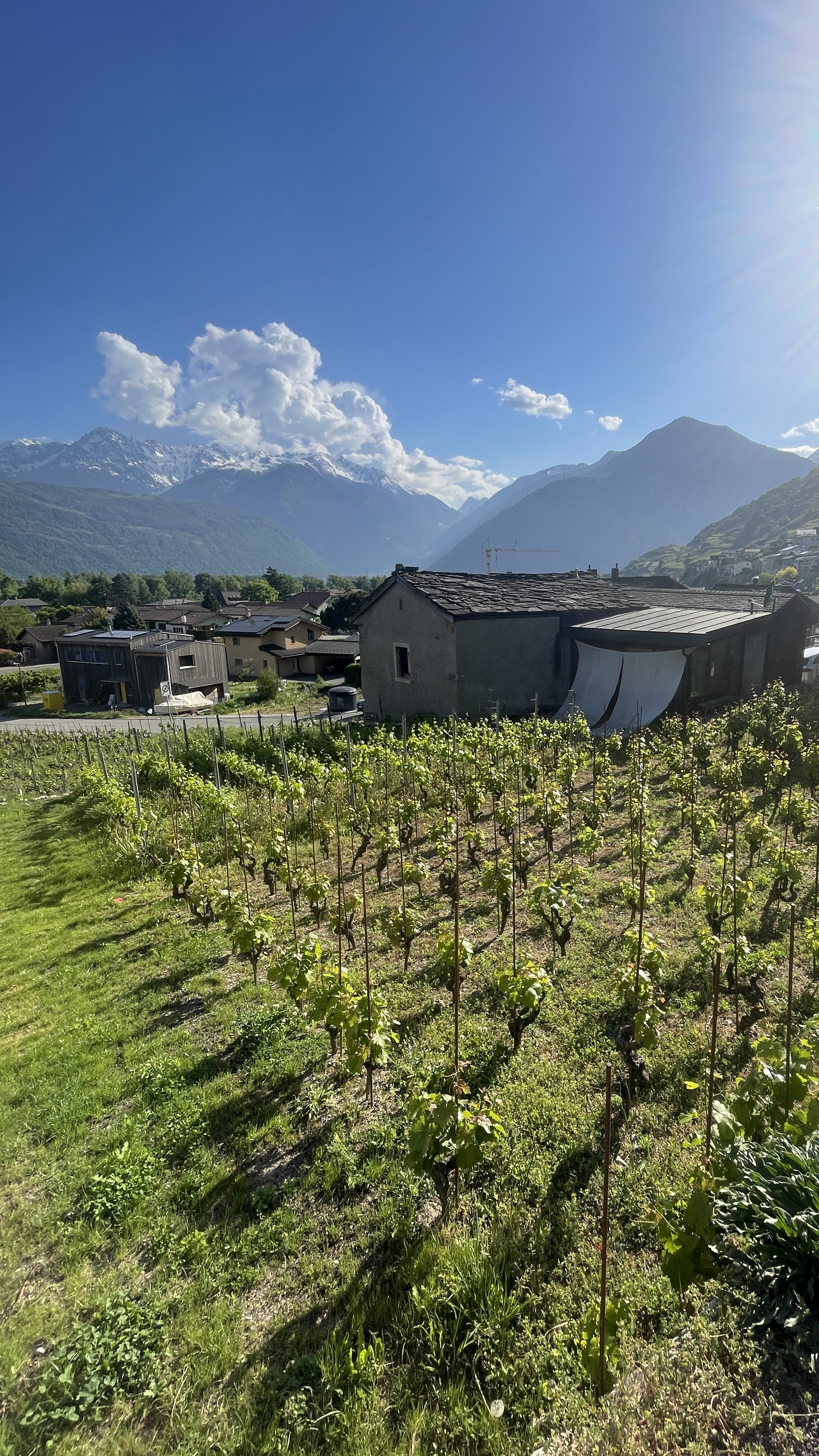
Every year, the Valais transforms into something extraordinary. For one weekend, hundreds of caves fling open their doors from Thursday through Saturday, turning the Alpine landscape into the most spectacular open-air tasting room in Europe. It's the legendary Cave Ouvert du Valais — and this year, the natural wine contingent finally showed up in force.
I've been pushing for this for some time: a proper natural wine presence at an event where, traditionally, the big estates dominate the conversation. This year felt different. Among the newcomers to the cave circuit were faces that aren't new to wine, but new to this particular Swiss ritual — and they brought something worth writing home about.
Caroline Frey: From the Rhône to the Rhône Valley's Swiss Cousin
Caroline Frey is one of the most respected winemakers in contemporary French viticulture, though she recently made headlines by stepping back from her iconic French estates to refocus on Switzerland. She is widely credited with restoring Paul Jaboulet Aîné's reputation, converting the estate to organic certification in 2016 and implementing biodynamic practices across the properties.
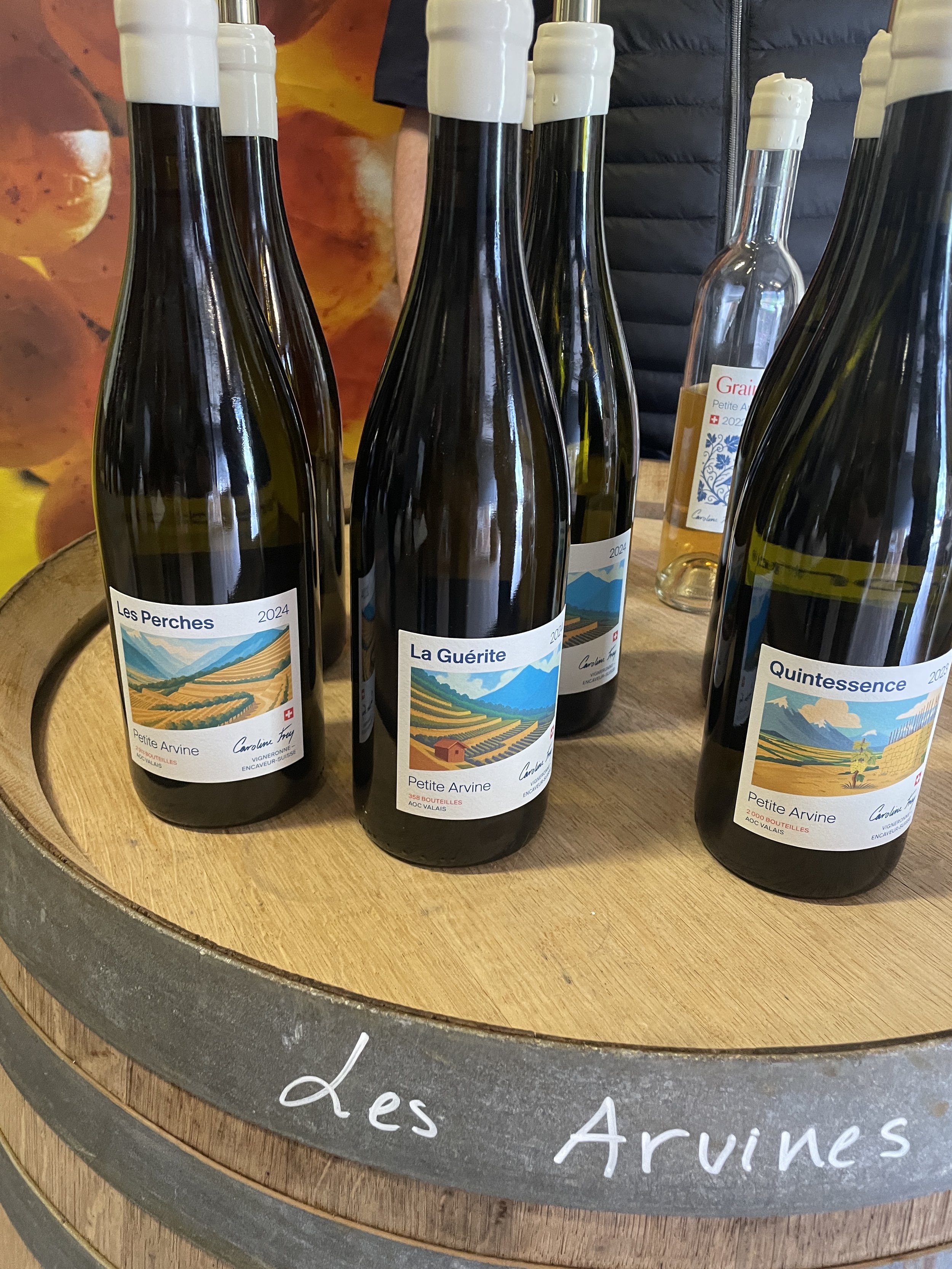
In July 2025, after twenty years at the helm, Caroline announced she was withdrawing from direct management of the French estates — and moved back to the Valais to take things a bit easier, to get back to her roots in farming and production. Last year she bought Cave Benoît Dorsaz, and this year's vintage was a 50/50 collaboration, as the fermentation process had already started when the estate changed hands. This year, those cuvées were branded and sold together.
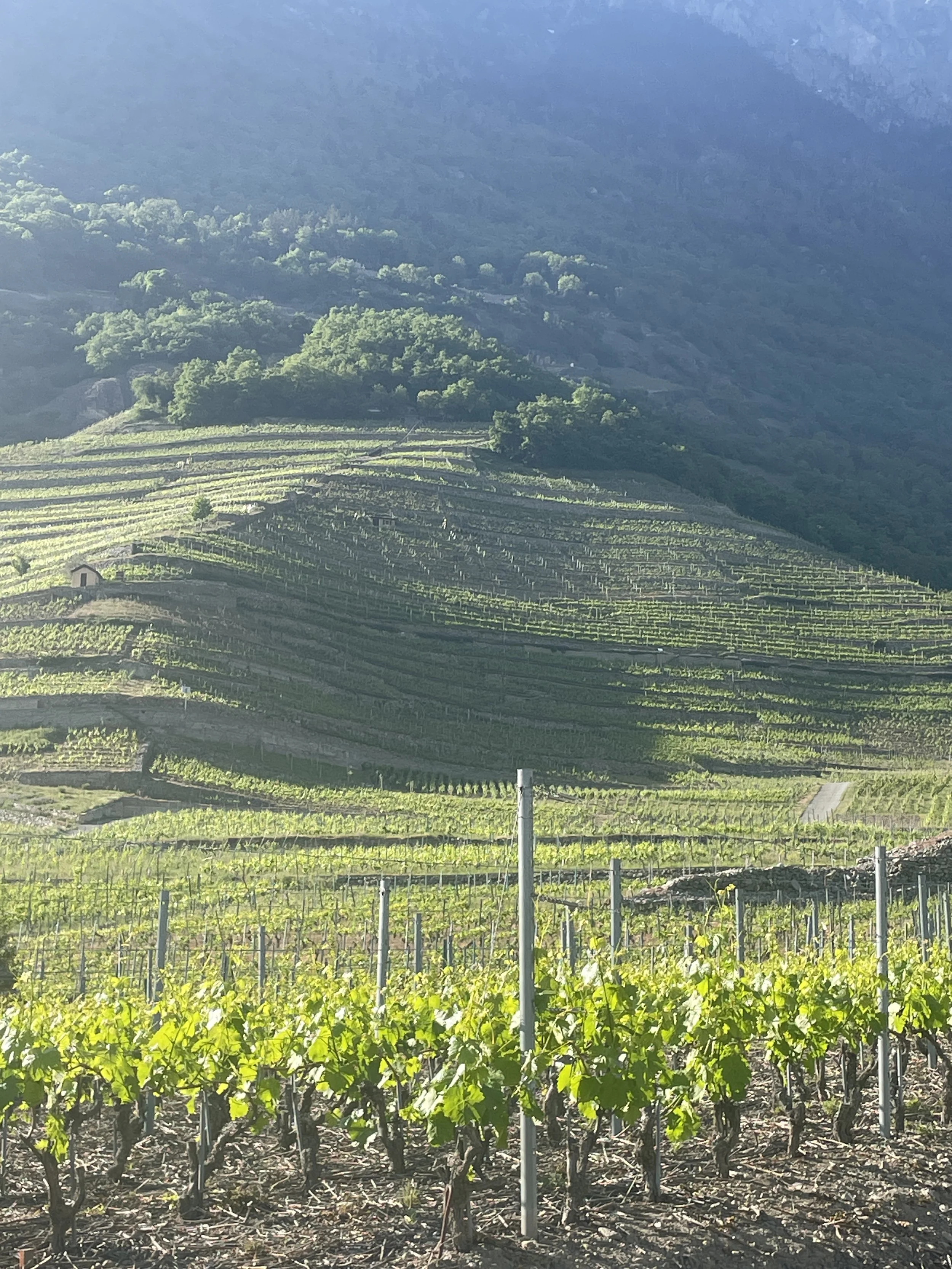
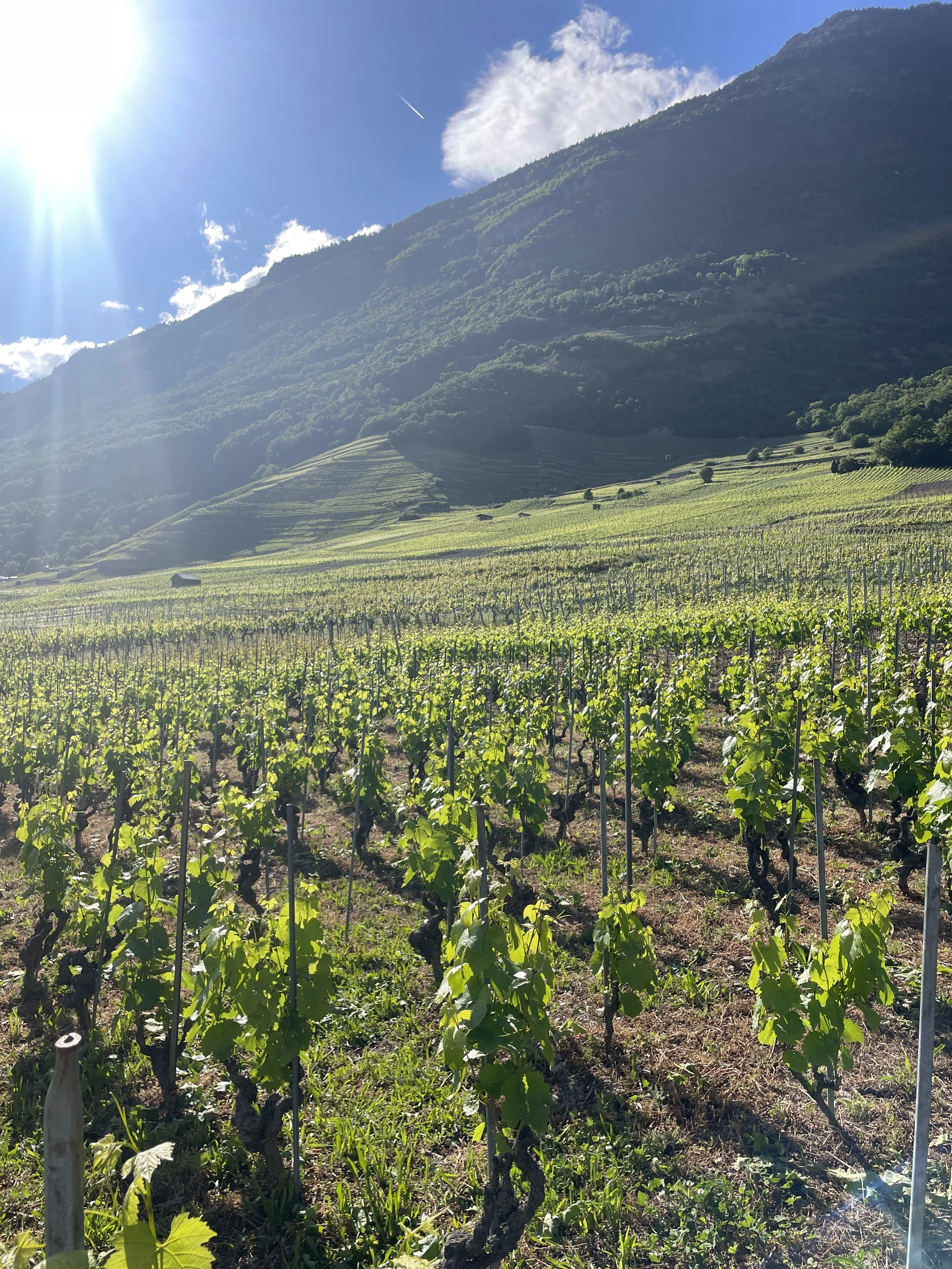
Now operating under her own name, Domaine Caroline Frey comprises small, isolated mountain terrace parcels farmed biodynamically, working with indigenous varieties like Petite Arvine, Cornalin, and Humagne. She had maintained a tiny Swiss project for years, but this is now her primary focus. The wines are already seeing limited release in markets like the UK.
We tasted her lineup. Close enough to natural — very good winemaking, biodynamically farmed, her vines sitting high above the valley floor. The Fendant is superb. "Le Chalet de Mon Jardin Secret" is fermented with natural yeasts, goes through spontaneous fermentation and full malolactic conversion. Her individualism will take a couple of years to fully express itself in the bottle, but the foundation is unmistakably there.
Lucas Madonia: A New Cave in Corin
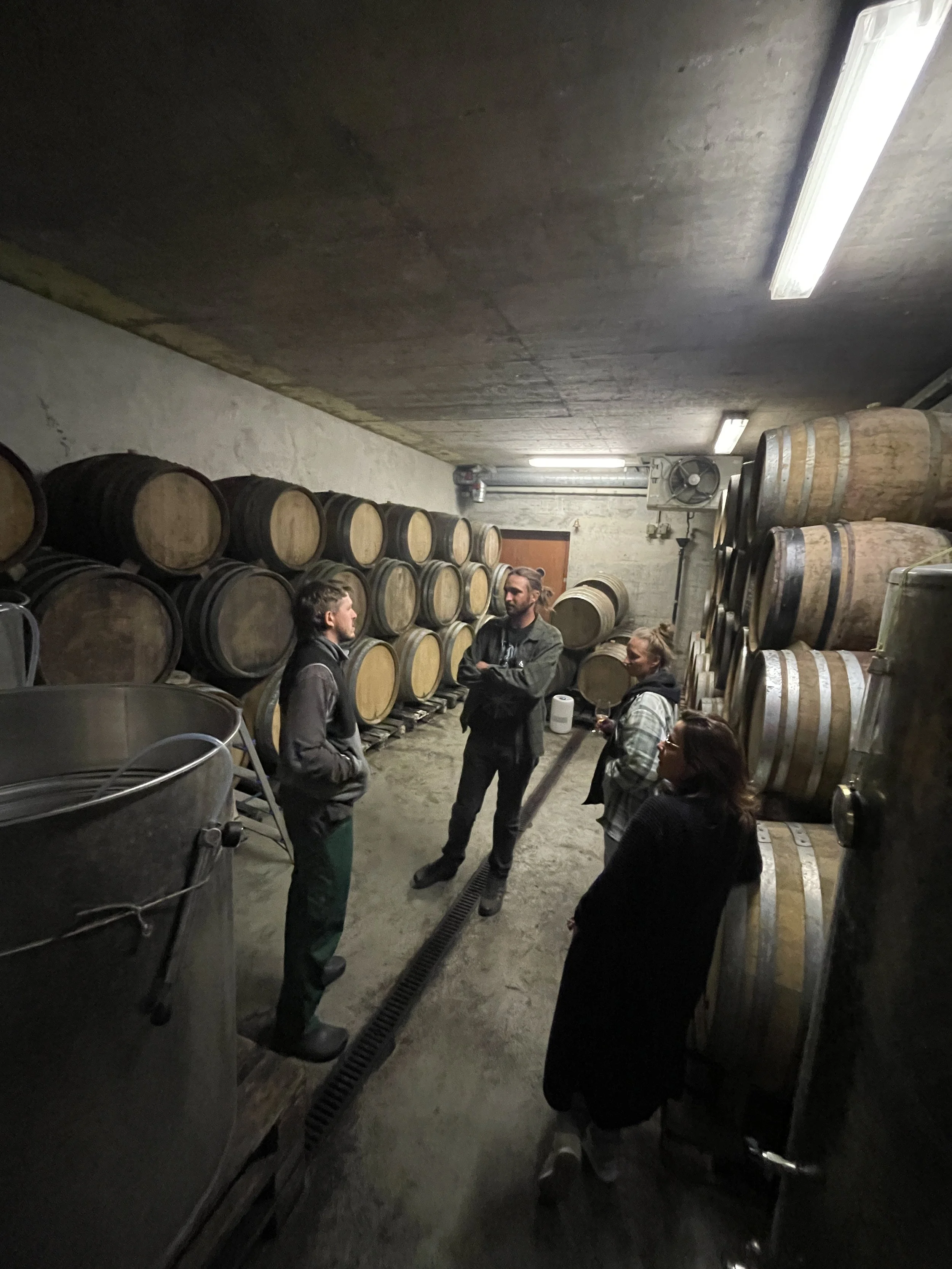
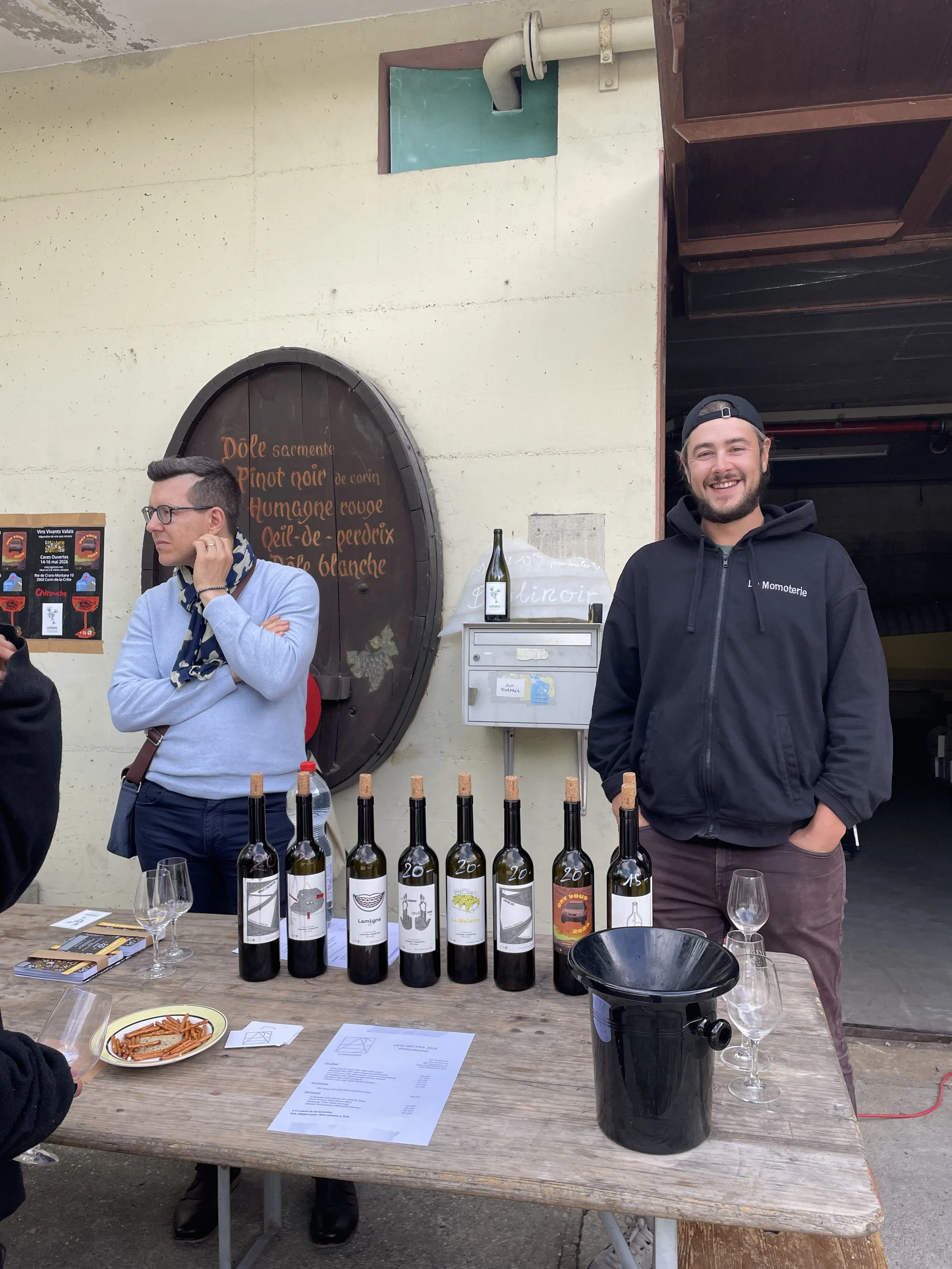
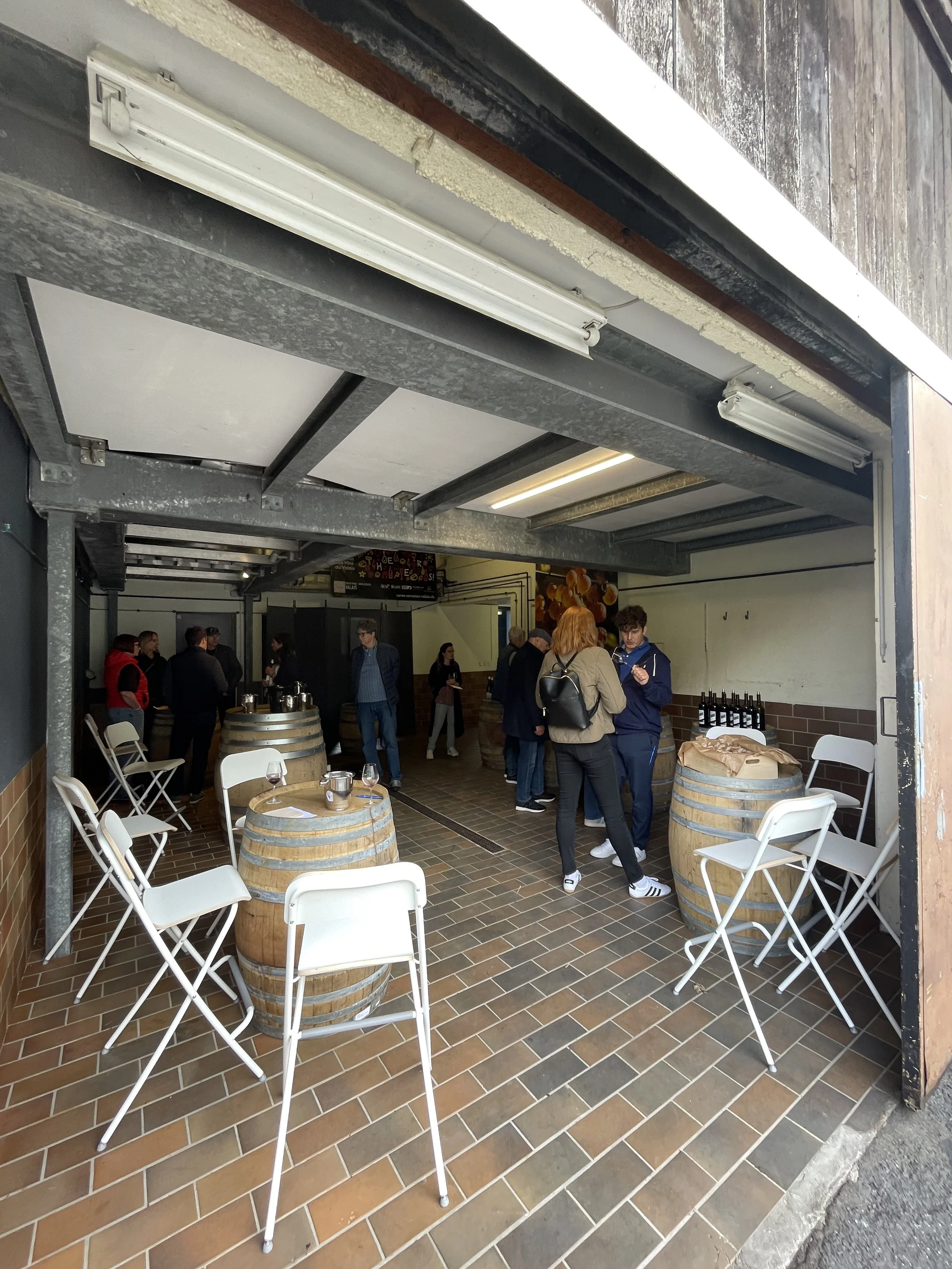
A visit to Lucas Madonia's new cave in Corin, Valais, was one of the highlights. This was the first time a natural wine contingent has been properly open for the Cave Ouvert — and Lucas's new spot is significantly larger than his previous cellar, which he had shared with Timothée Place.
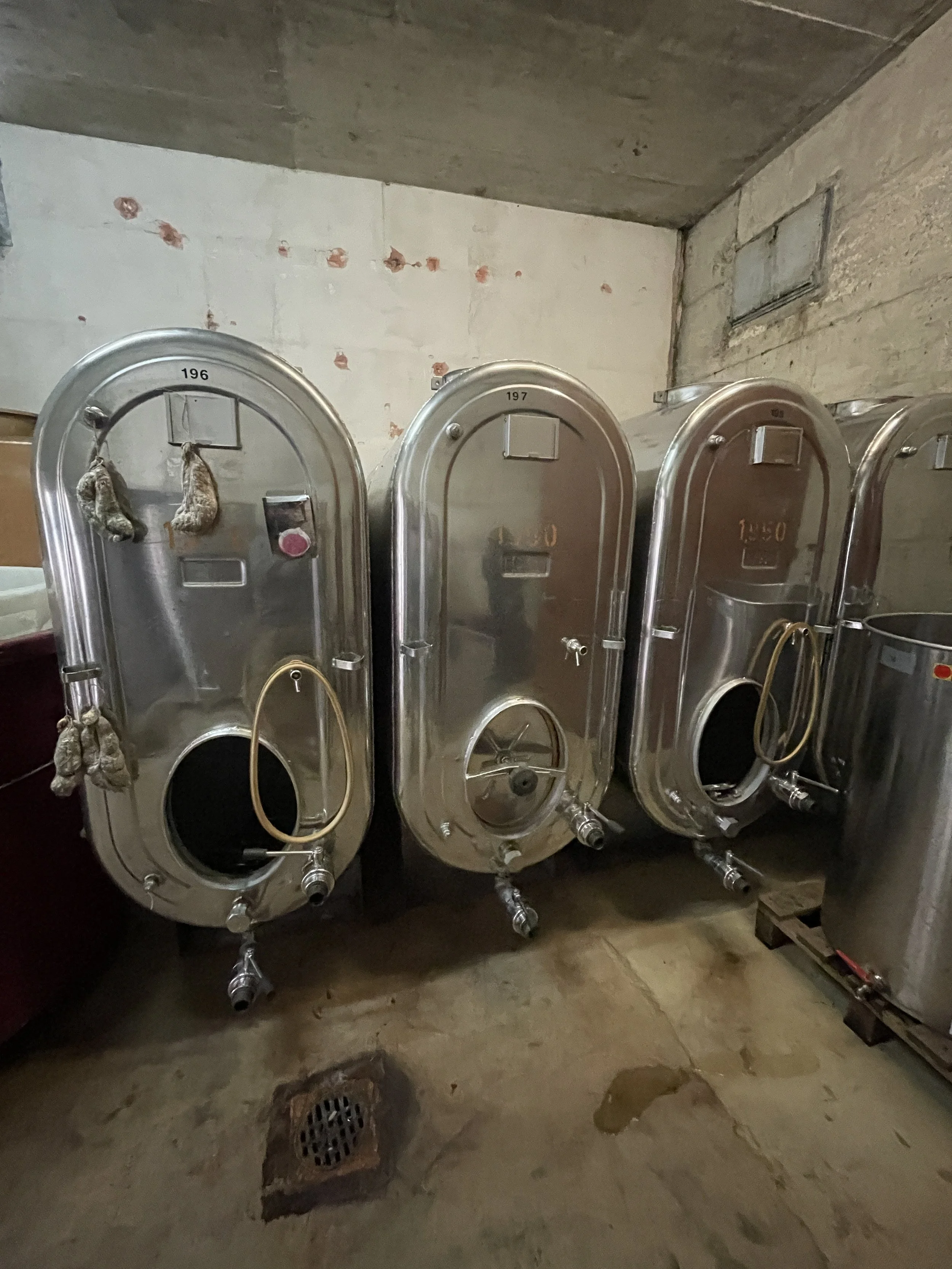
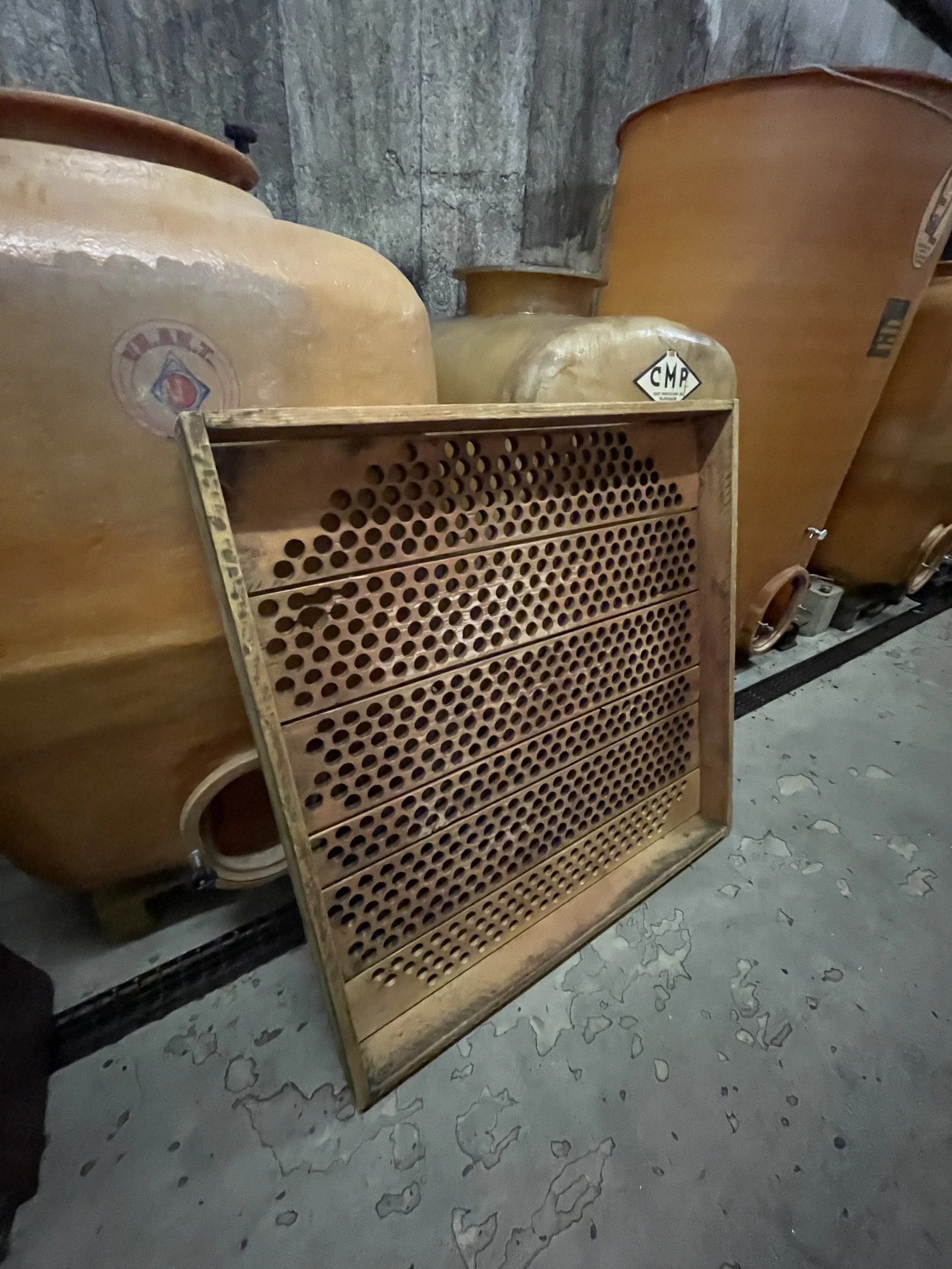
We had the privilege of looking around the new, extremely spacious cellar. Production has increased somewhat due to demand from Asia, South Korea in particular. His 2025 Dolin Noir is something else — already showing nice length, something I've never experienced in Dolin Noir before. I'm usually not a fan of the variety, probably because I've never had a good one. This was top-tier.
The Natural Wine Contingent
There were a few other natural winemakers holding it down for the low-intervention crowd:
- Timothée Place — wines are always excellent.
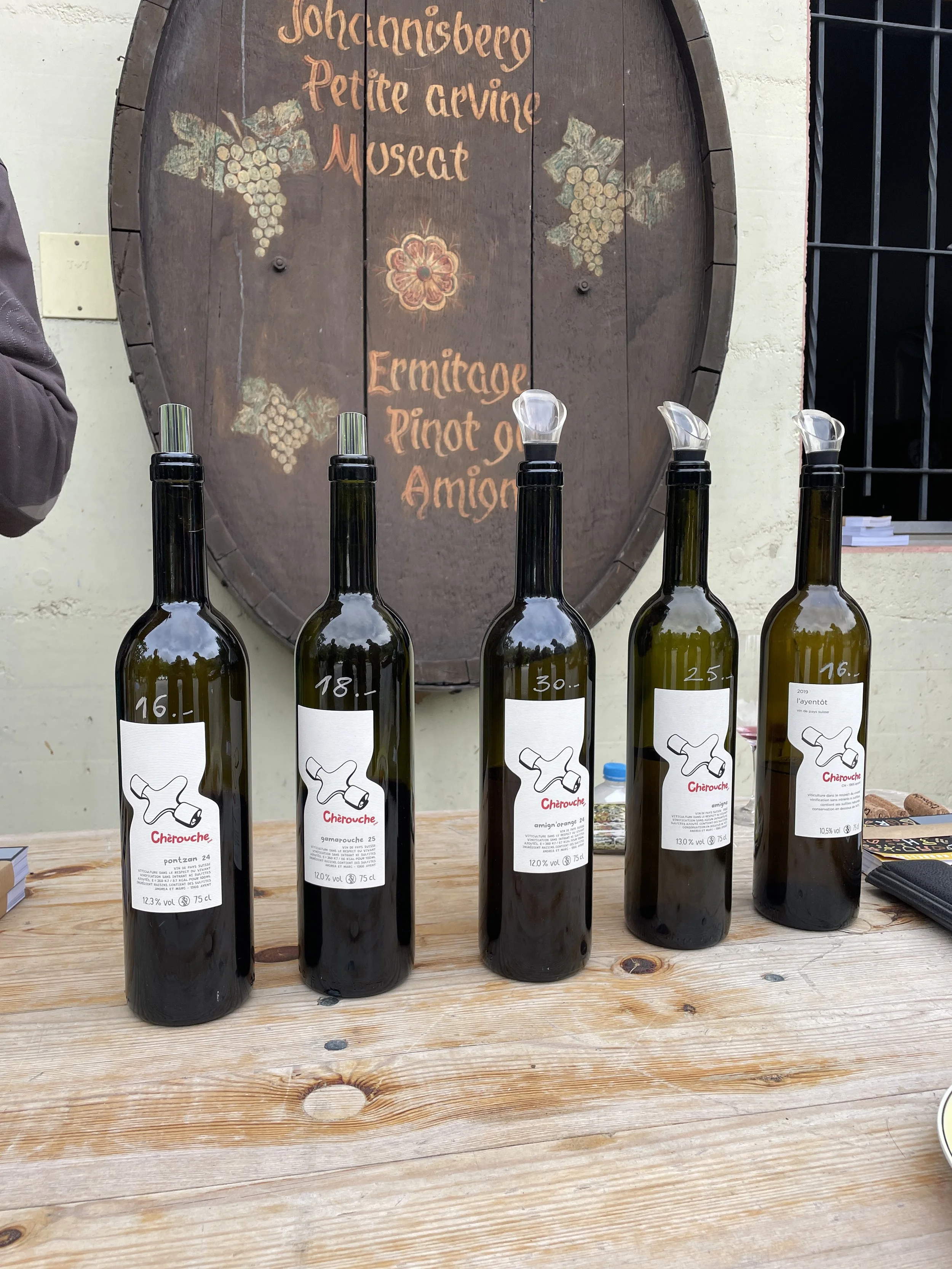
- Marc from Cherouche
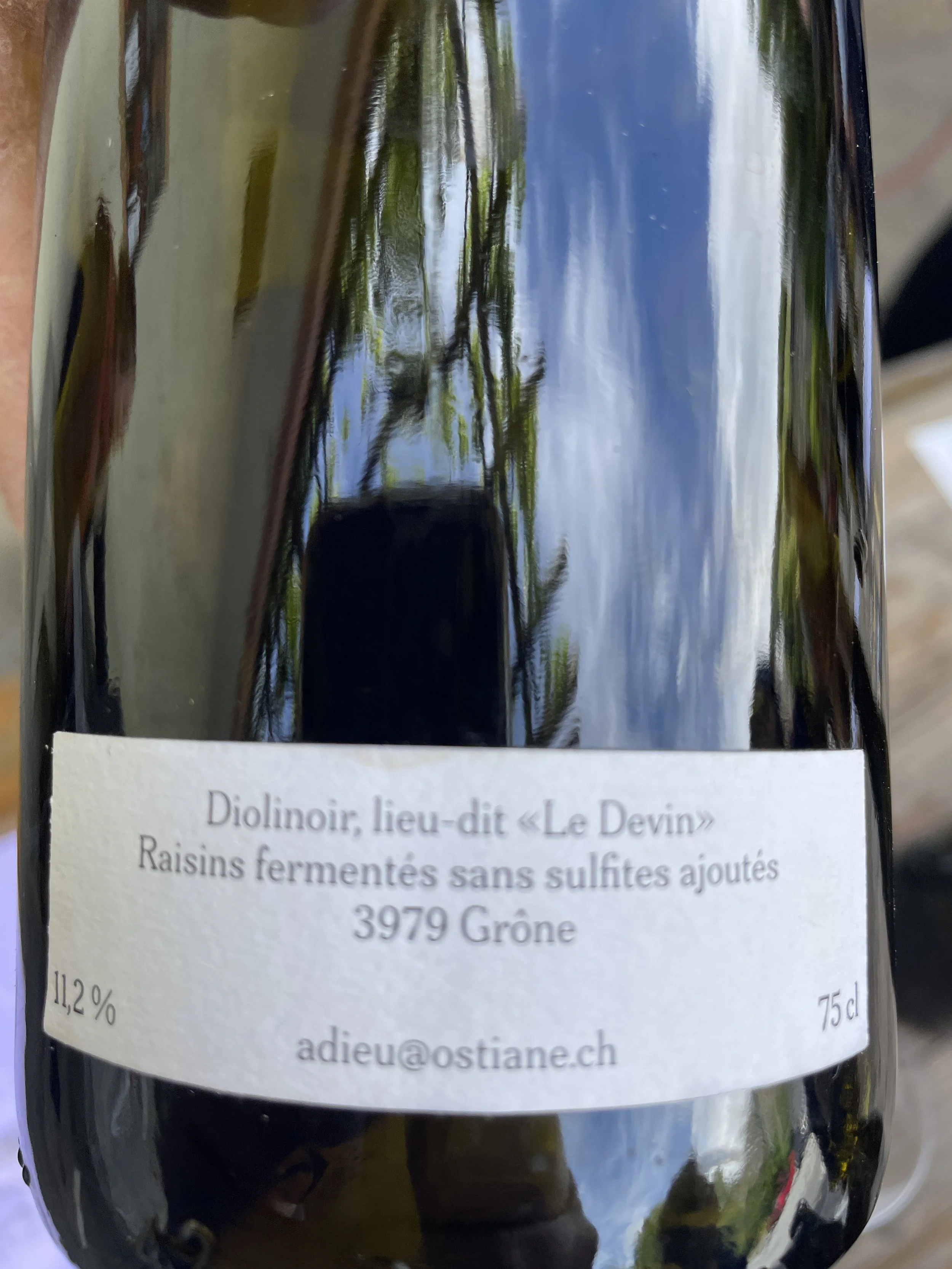
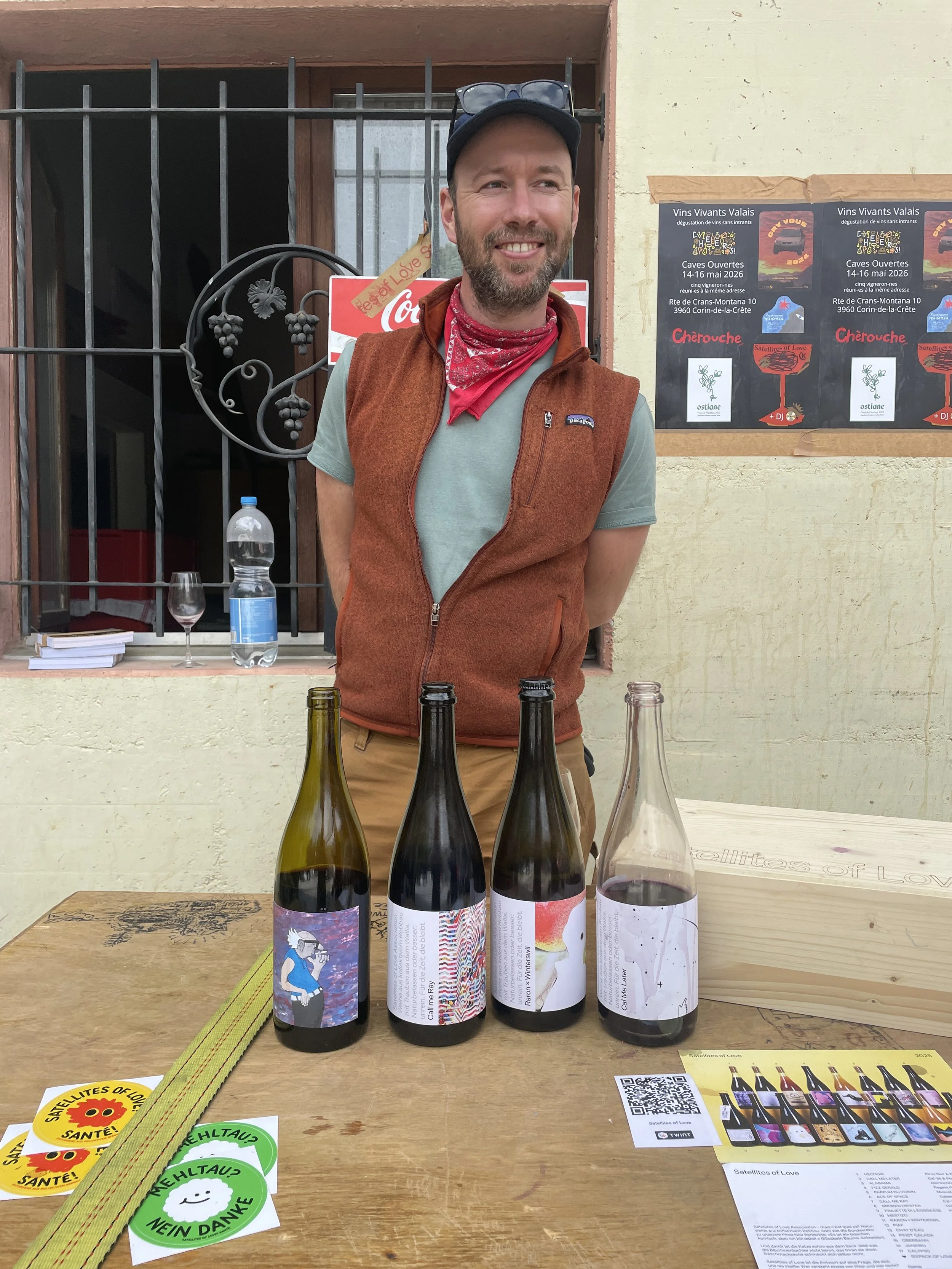
- Satellites of Love — a collective of Valais natural vignerons and newcomers, run by Jimmy Tassan Toffola. Growing at various micro-plots around Ayent, St-Léonard, Vaas, Flanthey, Venthône, and Miège — all south-facing hillside sites between 500 and 800 meters altitude.
We tasted a Muscat from 40-year-old vines, limestone soils from Sierre rockfalls, "Les Bernunes" lieu-dit in Miège at 600 meters. Really nice — and I'm a huge fan of Muscat, so the bar was already high.
The Cave Ouvert du Valais has always been about discovery: wandering from cellar to cellar, glass in hand, with the Alps as your backdrop. But this year, for the first time, it felt like the natural wine world had properly claimed its corner of the mountain.