

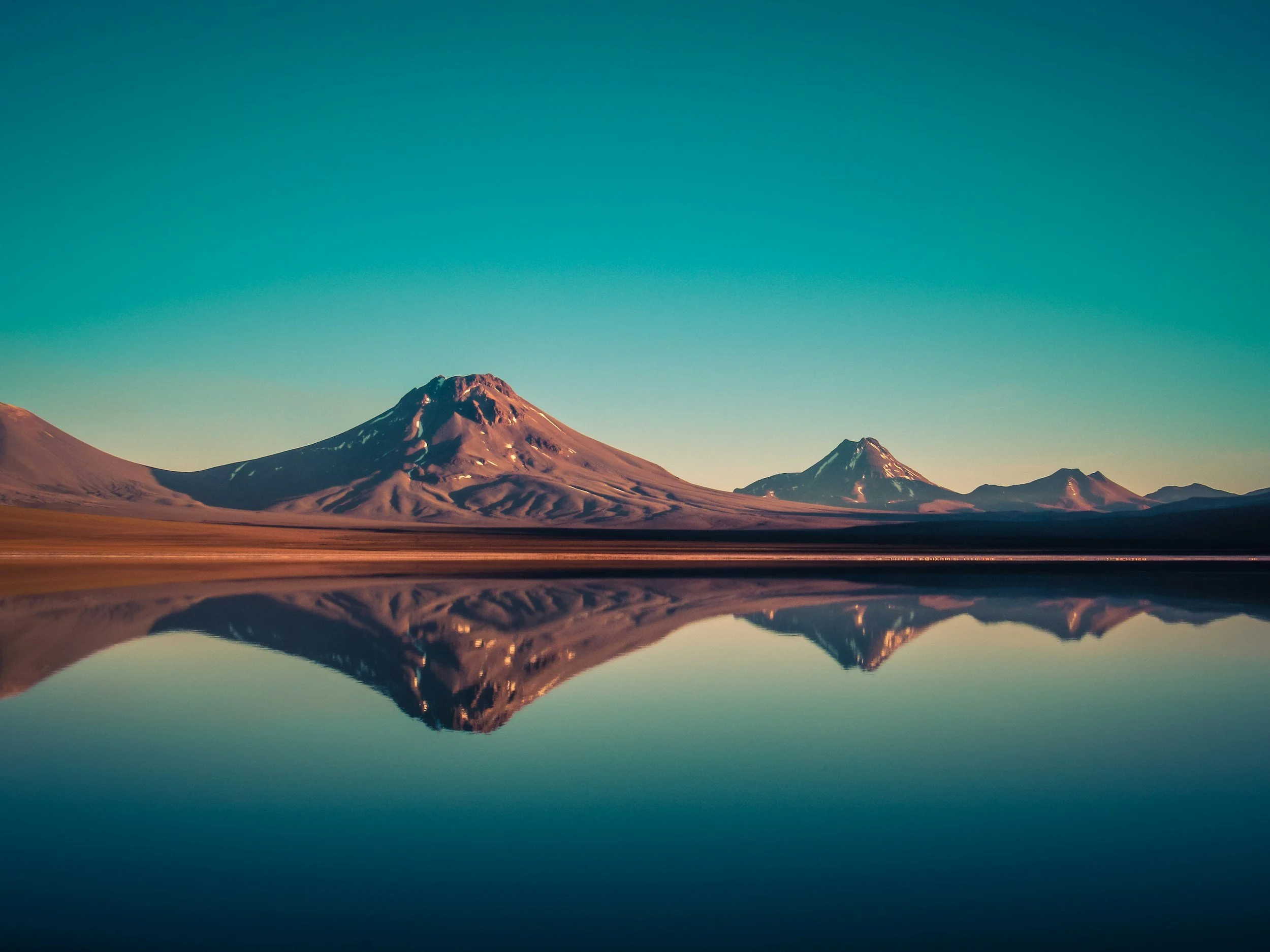
Chile.
ITATA'S OLD VINES & THE SECANO INTERIOR
From the ancient bush vines of Itata to the coastal hills of the Secano Interior, discover how Chilean natural winemakers are revolutionizing South American wine with 200-year-old País, dry-farmed Carignan, and zero-intervention field blends
Itata's Old Vines & The Secano Interior
Chile
From the ancient bush vines of Itata to the coastal hills of the Secano Interior, discover how Chilean natural winemakers are revolutionizing South American wine with 200-year-old País, dry-farmed Carignan, and zero-intervention field blends
The New World Meets Ancient Vines
Where pre-industrial viticulture meets natural winemaking
Chile—long known for its consistent, commercial wines—is experiencing a natural wine revolution that is reshaping its entire wine identity. At the heart of this transformation are the Secano Interior regions of Itata, Maule, and Bio Bio, where 200-year-old bush vines of País, Carignan, and Cinsault grow dry-farmed on decomposed granite hillsides, farmed by horse and plow as they have been for centuries.
This guide focuses on the pioneers of Chilean natural wine—producers who abandoned the industrial Central Valley to seek out these forgotten vineyards. Louis-Antoine Luyt, a Frenchman, sparked the movement by proving that País could make noble wine. Pedro Parra, a soil scientist, proved Itata's granitic terroir could rival Burgundy. Leo Erazo works with 100+ year-old vines to create field blends of stunning purity.
What unites them is a commitment to dry farming (no irrigation), bush vines (gobelet training), and minimal intervention in the cellar. These wines—often 11-12.5% alcohol, with bright acidity and wild herb aromatics—represent a Chile that is ancient, rural, and utterly distinct from the supermarket brands the world has known.
Key Facts
- Location: South America, Pacific Coast, 30-38°S
- History: 470+ years (Spanish colonization)
- Key Regions: Itata, Maule, Bio Bio, Casablanca
- Main Grapes: País, Carignan, Cinsault, Semillon
- Method: Dry farmed, bush vines, native yeast
- Style: Low alcohol, high acid, herbal, fresh
- Notable: 15,000+ hectares of bush vines
From Spanish Missions to the Natural Revolution
470 years of Chilean wine evolution
The First Harvest
Spanish conquistadors bring Listán Prieto (known as País in Chile, Mission in California) from the Canary Islands. The first documented harvest occurs. País becomes the dominant grape for the next 400 years, planted throughout the Central Valley for domestic consumption and church wine.
French Influence
Claudio Gay introduces French grape varieties—Cabernet Sauvignon, Merlot, Carmenère, Sauvignon Blanc—to Chile. The elite embrace Bordeaux varieties, but País remains the people's grape in the south. By 1910, Chile has 15% Cabernet Sauvignon, 85% País.
The Earthquake & New Varieties
A devastating earthquake in the south leads the government to introduce new varieties to help reconstruction. Carignan and Cinsault arrive in Maule and Itata, joining País to create field blends. These varieties thrive in the dry-farmed conditions of the Secano Interior.
The Natural Awakening
Louis-Antoine Luyt, a French winemaker, arrives in Chile and is shocked to find 200-year-old País vines abandoned. He begins buying grapes from small farmers in Itata and Maule, vinifying with natural yeast and minimal sulfur. Proves to the world that País can make elegant, complex wine.
Marcel Lapierre Discovers Itata
Marcel Lapierre, the legendary Beaujolais natural winemaker, visits Itata to advise a local producer. His US importer (Dressner Selections) becomes interested, opening the door for Itata wines to enter the natural wine markets of New York and Europe. "The first day of the rest of Itata's days."
The Renaissance
Pedro Parra (soil scientist) establishes his winery in Itata, proving the region's granitic terroir. Leo Erazo launches Rogue Vine. VIGNO (Vignadores de Carignan) and ALMAULE associations form to protect old vines. Brooklyn wine lists can't keep País in stock. Chilean natural wine becomes a global phenomenon.
Granite, Sand & The Secano Interior
The terroirs of dry-farmed Chile
🌊 Itata Valley
Chile's oldest wine region (founded 1551), 500km south of Santiago. Coastal influence from just 18km away. Decomposed granite (granitic sand) soils on rolling hills. 4,252 hectares under vine, mostly dry-farmed bush vines. 100+ year-old vineyards of Cinsault, País, and Moscatel. Cold, rainy winters; dry summers. Home to Rogue Vine, Pedro Parra, and Vinos Mingaco.
🏔️ Maule Valley
Chile's largest wine valley, divided into three sectors. The Secano Interior (interior dryland) has 19,000 hectares of vines, mostly dry-farmed. Ancient Carignan vines (60-100+ years) planted in 1939 after earthquake. Red clay and granitic soils. VIGNO association protects old vine Carignan. Also home to País and mixed field blends. Bouchon Family Wines operates here.
🌿 Bio Bio Valley
Southern extreme of Chilean viticulture (650km from Santiago). Volatile weather, cool climate, high rainfall. Frontier for Pinot Noir, Chardonnay, and experimental varieties. But also home to old vine País and Cinsault. Rogue Vine sources from here. Cooler than Itata and Maule, producing wines of tense acidity.
🏔️ Casablanca Valley
Cool coastal valley between Santiago and the sea. Oceanic influence creates morning fog. Chardonnay and Sauvignon Blanc thrive here. Some natural wine producers (Emiliana) focus on organic and biodynamic methods here. Different from the dry south—cool climate, higher humidity.
🏔️ Maipo Valley
The historic heart of Chilean wine, near Santiago. Cabernet Sauvignon and Carmenère country. Some natural wine producers (like Garage Wine Co) are exploring old vine sites here, but most natural wine action is in the south. Alluvial soils, Andes influence.
🌾 Secano Interior
Not a valley but a category: the "dry interior" where no irrigation exists. 17,653 hectares total across Itata (8,460 ha), Maule (7,323 ha), and Bio Bio (1,093 ha). Decomposed granite, schist, and sandy soils. Bush vines (gobelet) trained low to ground. Horses plow between vines. Minimal disease pressure due to wind and dry summers. The natural wine heartland.
Key Natural Wine Regions
| Region | Climate | Soil | Natural Wine Character |
|---|---|---|---|
| Itata | Cool coastal, rainy winter | Decomposed granite | Fresh, mineral, low alcohol |
| Maule | Continental, dry | Red clay, granite | Structured, herbal, complex |
| Bio Bio | Cool, volatile | Granite, volcanic | Tense, acidic, elegant |
| Secano | Dry, windy | Sand, granite | Pure, rustic, ancient |
| Coastal | Oceanic, foggy | Calcareous, clay | Saline, fresh, crisp |
The Featured Producers
The pioneers defining Chilean natural wine
Itata Valley – The Heartland
Maule & The South – Carignan & País Masters
Emerging Voices – The New Generation
The Grapes of Natural Chile
Heritage varieties and ancient vines
País (Listán Prieto)
Also known as Mission (California) and Criolla Chica (Argentina). Brought from Spain in 1551. Chile's original grape—200+ year-old vines exist. Pale color, light body, wild strawberry, herbal, earthy. Natural winemakers treat it like Pinot Noir—whole bunch, carbonic, gentle extraction. The poster child for Chilean natural wine.
- Style: Light, red fruit, herbal, earthy
- Natural Wine Role: Carbonic, whole bunch, zero sulfur
- Top Producers: Luyt, Bouchon, Parra, Rogue Vine
- Regions: Itata, Maule, Bio Bio
- Notable: 200+ year-old vines exist
Carignan (Cariñena)
Arrived 1939 after earthquake to add color and structure to País. Planted extensively in Maule's Secano Interior. Old vines (60-100+ years) produce concentrated, spicy, structured wines. VIGNO association protects old vine Carignan. Natural winemakers love it for field blends and single-vineyard expressions. Tannic, dark, herbal.
- Style: Structured, spicy, dark, tannic
- Natural Wine Role: Field blends, single vineyard
- Top Producers: Garage Wine Co, Clos des Fous, Gabino
- Regions: Maule (Secano Interior)
- Notable: VIGNO association protects old vines
Cinsault
Also arrived 1939. Thrives in Itata's granite soils. Light-colored, aromatic, floral (violets), red berries, delicate. Often blended with País but increasingly made as single-varietal wines. Leo Erazo's "El Túnel" and "Amigo Piedra" show its potential for elegance and finesse. Perfect for natural wine—low alcohol, high acid.
- Style: Light, floral, red berries, elegant
- Natural Wine Role: Single vineyard, whole cluster
- Top Producers: Rogue Vine, Parra, Bouchon
- Regions: Itata, Maule
- Notable: 100+ year-old vines in Itata
More Natural Chile Varieties
Moscatel de Alejandría: Muscat of Alexandria—aromatic, grapey, floral. Grown in Itata for centuries. Mingaco makes skin-contact "Moscatel de Tinaja"—amber, intense, mineral.
Semillon: Forgotten white of Chile. Grown in Itata and coastal areas. Rogue Vine's "Super Itata Semillon" shows its potential for structure and volume. Waxy, honeyed, citrus.
Chasselas: Swiss grape brought by immigrants. Found in old mixed vineyards in Itata. Pino Roman makes textured, mineral Chasselas from 100+ year vines.
Corinto: Rare white variety found in Itata's old vineyards. Sometimes blended, sometimes solo. Adds acidity and citrus notes.
Field Blends: Traditional "Pipeño" is a mix of País, Cinsault, Carignan, and sometimes others—co-fermented in old barrels or rauli (native beechwood) tanks.
Food Pairing & Chilean Cuisine
Natural wine meets empanadas, ceviche, and asado
Pairings for País
- Empanadas: Traditional baked empanadas de pino
- Ceviche: Chilean ceviche with cilantro
- Charquicán: Rustic beef and vegetable stew
- Grilled fish: Corvina or reineta from the coast
- Local match: Chilean completo (hot dog with avocado)
Pairings for Carignan
- Asado: Chilean barbecue with chimichurri
- Chupe de mariscos: Seafood stew
- Charqui: Dried horse or beef jerky
- Pastel de choclo: Corn and meat pie
- Local match: Patagonian lamb
Chilean Wine Traditions
Pipeño is both a wine style and a cultural tradition—the everyday wine of the Chilean countryside, traditionally made by farmers (huasos) in wooden rauli tanks or pipas. Natural winemakers have revived this term to describe their field blends. The huaso culture—Chilean cowboys—remains strong in the Secano Interior, where horses are still used to plow between bush vines. Tinajas (clay amphorae) are making a comeback for aging wine, connecting to pre-Columbian and colonial traditions. The VIGNO (Vignadores de Carignan) association, formed in 2010, protects the old vine Carignan of Maule, requiring dry farming, head-training, and minimum 30-year-old vines. ALMAULE does the same for País—promoting fresh, low-alcohol (12.5%) wines from ancient vines. Chilean natural wine is deeply tied to rural identity—it's wine made by campesinos (farmers) using methods unchanged for centuries.
Visiting Natural Chile
From Itata's granitic hills to Maule's drylands
🌊 Itata Valley
Base in Concepción or Chillán. Visit Pedro Parra (appointment essential—tour granitic soils and taste "Grand Cru" wines). Rogue Vine (garage winery in Concepción). Drive to Guarilihue for Mingaco (amphora wines) and Pino Roman. Stay in coastal Cobquecura. Combine with Pacific coast beaches.
🏔️ Maule Valley
Base in Cauquenes or Linares. Visit Clos des Fous (appointment). Garage Wine Co (Derek Mossman Knapp—taste "Truquilemu" Carignan). Bouchon (País specialist, "País Salvaje" from vines in trees). Drive the "Ruta del Vino Secano" (Dryland Wine Route). See 100+ year-old bush vines.
🏙️ Santiago & Valparaíso
Start in Santiago—natural wine bars: Bocanáriz, Chipe Libre. Shop at La Carnicería or Simone. Drive to coast: Valparaíso (bohemian city, wine bars in Cerro Alegre). Casablanca Valley for Emiliana (large organic/biodynamic producer). Combine with Pablo Neruda's house (Isla Negra).
10-Day Natural Wine Itinerary
Day 1-2 - Santiago: Arrive. Natural wine bars in Lastarria (Bocanáriz). Overnight Santiago.
Day 3 - Casablanca: Drive to coast (1 hour). Visit Emiliana (organic/biodynamic). Seafood lunch in Valparaíso. Overnight Valparaíso.
Day 4 - Travel to Itata: Drive south (4 hours) or fly to Concepción. Overnight Chillán or Concepción.
Day 5 - Itata: Visit Rogue Vine (garage winery, concrete globes). Pedro Parra (granite soils, Grand Cru tasting). Overnight Guarilihue area.
Day 6 - Itata Coast: Mingaco (amphora wines, no-till farming). Pino Roman (tinajas). Beach time in Cobquecura. Overnight coast.
Day 7 - Maule: Drive to Cauquenes (2 hours). Clos des Fous (Cauquenina field blend). Overnight Cauquenes.
Day 8 - Maule: Garage Wine Co (old vine Carignan, "País Salvaje"). Bouchon (País in trees). Traditional asado lunch. Overnight Linares.
Day 9 - Return Santiago: Drive north (4 hours). Stop in Colchagua if time permits. Overnight Santiago.
Day 10 - Departure: Final shopping, depart.