

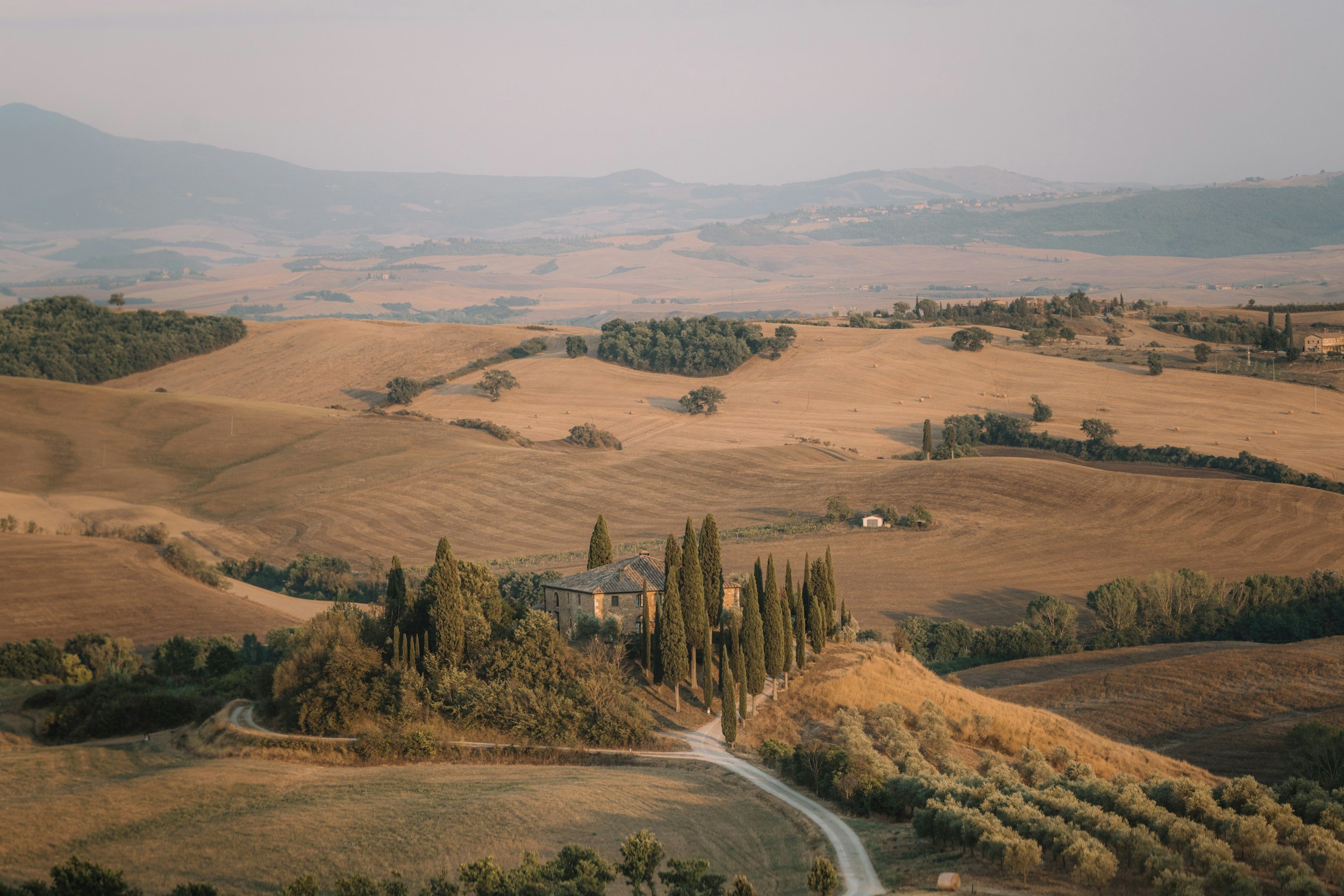
Italy
Driven by curiosity and built on purpose, this is where bold thinking meets thoughtful execution. Let’s create something meaningful together.
Friuli Orange & Sicilian Amphora
Italy
From the amber wines of Oslavia to the volcanic slopes of Mount Etna, discover how Italian natural winemakers are revolutionizing the world's oldest wine culture with amphora-aged amphorae, skin-contact whites, and zero-sulfur expressions of Nebbiolo, Sangiovese, and Frappato
The Birthplace of Natural Wine
Where ancient tradition meets the modern natural wine revolution
Italy—home to 3,000 years of continuous viticulture—is experiencing a natural wine renaissance that has taken the world by storm. With 132,441 hectares of certified organic vineyards (21% of total winegrowing area), Italy leads Europe in organic viticulture. The natural wine movement here isn't a trend; it's a return to the way wine was always made before industrialization.
This guide focuses on the pioneers of Italian natural wine—producers who have revived ancient techniques like Georgian qvevri (amphora) aging and extended skin-contact maceration. Josko Gravner in Friuli buried 20 amphorae in his cellar to create the now-legendary "orange wines." Arianna Occhipinti in Sicily crafts ethereal Frappato with zero additions. COS (Giusto Occhipinti) has been making wine in terracotta since 2000, proving that Sicily was destined for natural wine.
From Friuli's "Oslavia" (the world capital of orange wine) to Mount Etna's volcanic slopes, from Tuscan Sangiovese to Campanian Aglianico, Italian natural wine represents the purest expression of place. These wines—often made with indigenous varieties you've never heard of—are alive, unpredictable, and utterly captivating.
Key Facts
- Location: Mediterranean, 20 wine regions
- History: 3,000+ years (Greek colonization)
- Key Regions: Friuli, Sicily, Tuscany, Piedmont, Campania
- Main Grapes: Sangiovese, Nebbiolo, Nero d'Avola, Frappato
- Method: Amphora, skin-contact, biodynamic, zero sulfur
- Style: Textural, high-acid, indigenous, oxidative
- Notable: Highest organic vineyard share in world (17.8%)
From Ancient Rome to the Orange Revolution
3,000 years of Italian wine evolution
Greek Foundations
Greek colonists bring viticulture to Sicily and Southern Italy (Magna Graecia). Indigenous varieties like Aglianico (from "Hellenic") and Greco trace their origins to this period. The Etruscans in Tuscany and the Romans later perfect winemaking techniques that would define European viticulture for millennia.
Cerasuolo di Vittoria
Countess Vittoria Colonna Henriquez-Cabrera founds the city of Vittoria in Sicily, offering land grants to farmers who plant vines. The Cerasuolo di Vittoria blend (Nero d'Avola and Frappato) is born—today Sicily's only DOCG wine. COS winery's "Pithos" range pays homage to this history.
COS is Founded
Three friends—Giambattista Cilia, Giusto Occhipinti, and Cirino Strano—found COS in Vittoria, Sicily. Named after the initials of their surnames, they begin experimenting with traditional methods, eventually pioneering the use of buried amphorae (qvevri) in Italian winemaking.
Gravner's Revelation
Josko Gravner in Friuli visits Georgia and discovers qvevri winemaking. He buries 20 large amphorae in his cellar in Oslavia, starting the "orange wine" revolution. He eliminates modern technology—no temperature control, no selected yeasts, minimal sulfur. The "Anfora" wines become legendary.
Cantina Giardino
Antonio and Daniela De Gruttola establish Cantina Giardino in Campania's Irpinia region, seeking to preserve abandoned old vines of Aglianico, Coda di Volpe, and Fiano. They adopt zero-sulfur winemaking after realizing the small amounts they added disappeared during aging anyway.
The Explosion
Italy's natural wine venues grow by 3,428% between 2016-2024. Rome becomes the #3 city globally for natural wine (130 venues). The "vino da uve macerate" (skin-contact) category is formalized in Friuli. Young winemakers like Chiara Condello (Emilia-Romagna) and Il Censo (Sicily) gain international cult status.
Volcanic, Limestone & Clay
The diverse terroirs of Italian natural wine
🟠 Friuli/Oslavia
The world capital of orange wine. Ponca soil (marl/sandstone mix) in rolling hills on the Italy-Slovenia border. Home to Gravner, Radikon, and the "macerated white" revolution. Heavy clay and limestone produce structured, age-worthy wines. Cold Bora winds create high acidity. Indigenous varieties: Ribolla Gialla, Friulano, Malvasia Istriana.
🌋 Sicily/Etna & Vittoria
Europe's most exciting natural wine frontier. Vittoria's red sandy soils yield elegant Frappato and Nero d'Avola (Arianna Occhipinti, COS). Mount Etna's volcanic black soils produce Nerello Mascalese of extraordinary complexity. High elevations (500-1,000m) moderate the Mediterranean heat. Ancient amphora traditions meet modern natural wine.
🏔️ Campania/Irpinia
Mountainous inland Campania with heavy clay and limestone soils. Home to Cantina Giardino and ancient Aglianico vines (50-100+ years old). High diurnal temperature variation. Volcanic influence from Mount Vesuvius. Indigenous whites: Fiano, Greco, Coda di Volpe. Wines of deep structure and longevity.
🌿 Tuscany
From Chianti's galestro (shale) soils to the coast's sandy vineyards. Sangiovese thrives here, but natural winemakers also explore Trebbiano and Malvasia for orange wines. Clay and limestone mix. Continental climate with Mediterranean influence. Chiara Condello in Predappio proves Emilia-Romagna's Sangiovese rivals Tuscany's.
🏛️ Piedmont
Calcareous marl (Tortonian and Helvetian) in the Langhe hills. Home to Barolo (Nebbiolo) and Barbaresco. Foggy, continental climate with long growing seasons. Recent natural wine converts are challenging the region's traditionalist reputation with zero-sulfur Barolo and experimental whites. Tannic, structured reds built for aging.
🌊 Emilia-Romagna
La Stoppa in Piacenza champions long-macerated Barbera and Bonarda on ancient red clay soils. The region straddles the Apennines—mountainous interior vs. coastal plains. Rich in indigenous varieties: Lambrusco, Albana, Malvasia. Focus on field blends and extended aging. Warm climate produces powerful, structured wines.
Key Natural Wine Regions
| Region | Climate | Soil | Natural Wine Character |
|---|---|---|---|
| Friuli | Continental, Bora winds | Ponca (marl/sandstone) | Orange, structured, mineral |
| Sicily | Mediterranean, high elevation | Volcanic, red sand | Elegant, saline, volcanic |
| Campania | Mountainous, continental | Clay, limestone | Powerful, tannic, ancient |
| Tuscany | Continental, Mediterranean | Galestro, clay, limestone | Earthy, structured, classic |
| Piedmont | Foggy, continental | Calcareous marl | Tannic, perfumed, age-worthy |
The Featured Producers
The legends defining Italian natural wine
Friuli – The Orange Wine Masters
Sicily – Mediterranean Soul
Campania & The South – Ancient Power
Central & Northern Italy – Tradition & Innovation
The Grapes of Natural Italy
Indigenous treasures and ancient varieties
Ribolla Gialla
Indigenous to Friuli/Slovenia border. The grape that launched the orange wine revolution. Thick skins ideal for extended maceration. Produces wines of remarkable structure, tannins, and longevity. Notes of dried apricot, citrus peel, tea, and nuts when macerated.
- Style: Structured, tannic, age-worthy
- Natural Wine Role: Extended skin contact (months)
- Top Producers: Gravner, Radikon, Prinčič
- Regions: Friuli, Collio, Oslavia
- Notable: Wines age 10-20 years
Frappato
Ancient Sicilian variety from Vittoria. Light-colored, aromatic, elegant—almost Burgundian in its ability to express terroir. Blood orange, rose petal, Mediterranean herbs, red cherry. Low tannins, high acidity. Traditionally blended with Nero d'Avola in Cerasuolo di Vittoria.
- Style: Light, aromatic, floral, elegant
- Natural Wine Role: Single variety expressions
- Top Producers: Occhipinti, COS, Il Censo
- Regions: Vittoria (Sicily)
- Notable: Elevated to fine wine status by Occhipinti
Sangiovese
The backbone of Tuscany and central Italy. High acid, high tannin, transparent. Cherry, tomato leaf, earth, leather. Natural winemakers favor long macerations and neutral oak. In Emilia-Romagna (Chiara Condello), it shows a different, more structured side than Chianti.
- Style: High acid, tannic, earthy, ageworthy
- Natural Wine Role: Whole bunch, long maceration
- Top Producers: Condello, various Tuscan nat producers
- Regions: Tuscany, Emilia-Romagna
- Notable: "Blood of Jove" (Sanguis Jovis)
More Indigenous Treasures
Nero d'Avola: "Black of Avola"—Sicily's most important red. Dark, powerful, traditionally overripe but natural winemakers (Occhipinti) show its elegant side. Plummy, spicy, saline.
Aglianico: "The Barolo of the South" from Campania. Tannic, acidic, powerful. Ages forever. Cantina Giardino makes titanic expressions from 100-year-old vines.
Trebbiano Abruzzese: Not to be confused with other Trebbianos. Emidio Pepe's specialty—mineral, nutty, capable of decades of aging. Grown in Abruzzo's hills near Adriatic.
Friulano: Formerly Tokai Friulano (name changed due to Hungarian Tokaj). Friuli's signature white—floral, almond, mineral. Radikon calls his "Jakot" (Tokai backwards).
Malvasia Istriana: Grown on the Italy-Slovenia border. Aromatic, complex. Gravner blends it with Ribolla. Can make oxidative, sherry-like natural wines.
Coda di Volpe: "Tail of the fox"—Campanian white with bent grape clusters. Used by Cantina Giardino for textural, amphora-aged whites.
Food Pairing & Italian Cuisine
Natural wine meets trattoria traditions
Pairings for Orange Wines
- Frico: Friulian cheese and potato pancake
- Prosciutto San Daniele: Local cured ham
- Baccalà: Salt cod preparations
- Aged cheeses: Montasio, aged Pecorino
- Local match: Jota (sauerkraut and bean soup)
Pairings for Sicilian Reds
- Pasta alla Norma: Eggplant and tomato
- Grilled fish: Mediterranean sea bass
- Caponata: Sicilian sweet and sour eggplant
- Arancini: Fried rice balls
- Local match: Tuna from Favignana
Italian Natural Wine Traditions
Italy's natural wine movement is deeply rooted in vino sfuso (bulk wine) culture—wine as everyday sustenance rather than luxury commodity. The trattoria tradition of simple, honest food pairs perfectly with natural wine's unpretentious, lively character. In Rome (now the world's #3 city for natural wine with 130 venues), Paris-style natural wine bars meet Italian osteria tradition. The "vino da uve macerate" (skin-contact) category recently formalized in Friuli represents official recognition of a 20-year natural wine tradition. Amphora aging—revived by COS and Gravner—connects to ancient Roman vinification in clay. From Piedmont's agroturismi to Sicily's rural tourism, visiting natural wineries means participating in Italy's agricultural heritage. The movement emphasizes field blends (planting multiple varieties together), polyculture (wine with olives, fruit, grains), and handwork—preserving the human scale of Italian farming.
Visiting Natural Italy
From Friuli's cellars to Sicily's vineyards
🟠 Friuli/Oslavia
Base in Cormòns or Gorizia. Visit Gravner (book ahead—legendary amphora cellar). Radikon (taste the 1L bottles). Dario Prinčič and Damijan Podversic for the new wave. Eat at Trattoria della Corte or L'Argine a Venco. The Oslavia village itself is the epicenter—walkable between producers.
🌋 Sicily
Fly to Catania. Mount Etna for volcanic wines (book with Terra Costantino or Vino di Anna). Drive south to Vittoria for Arianna Occhipinti (appointment essential—she's a superstar). Visit COS nearby for amphora wines. Stay at Chaza (Occhipinti's new hospitality project). Combine with Noto and Modica for Baroque architecture.
🏔️ Campania & South
Base in Naples (natural wine bars: Vino Veritas, ENosteria). Drive to Irpinia for Cantina Giardino (mountous terrain, old vines). Visit Emidio Pepe in Abruzzo (Torano Nuovo—legendary cellar). Combine with Matera (Basilicata) or Amalfi Coast. Heavy clay soils and dramatic mountain landscapes.
14-Day Natural Wine Itinerary
Days 1-3 - Rome: Arrive. Natural wine bars: Vino Natural, Il Sorpasso, Le Serre. Eat at Flavio al Velavevodetto (Testaccio). Overnight Rome.
Days 4-6 - Tuscany: Drive to Predappio (3 hours). Visit Chiara Condello (Sangiovese). La Stoppa in Emilia (2 hours north)—taste "Ageno" orange wine. Overnight Bologna or Piacenza.
Days 7-9 - Friuli: Drive to Gorizia (3 hours). Gravner (book ahead). Radikon (tasting). Prinčič or Podversic. Eat at Trattoria della Corte. Overnight Oslavia or Cormòns.
Days 10-12 - Sicily: Fly to Catania. Drive to Vittoria. Arianna Occhipinti (tour and tasting). COS (amphora cellar tour). Il Censo (if accessible). Stay at Chaza. Visit Noto and beaches.
Days 13-14 - Campania: Fly to Naples. Cantina Giardino (Irpinia—2 hours drive). Emidio Pepe (Abruzzo). Return to Naples for departure.