

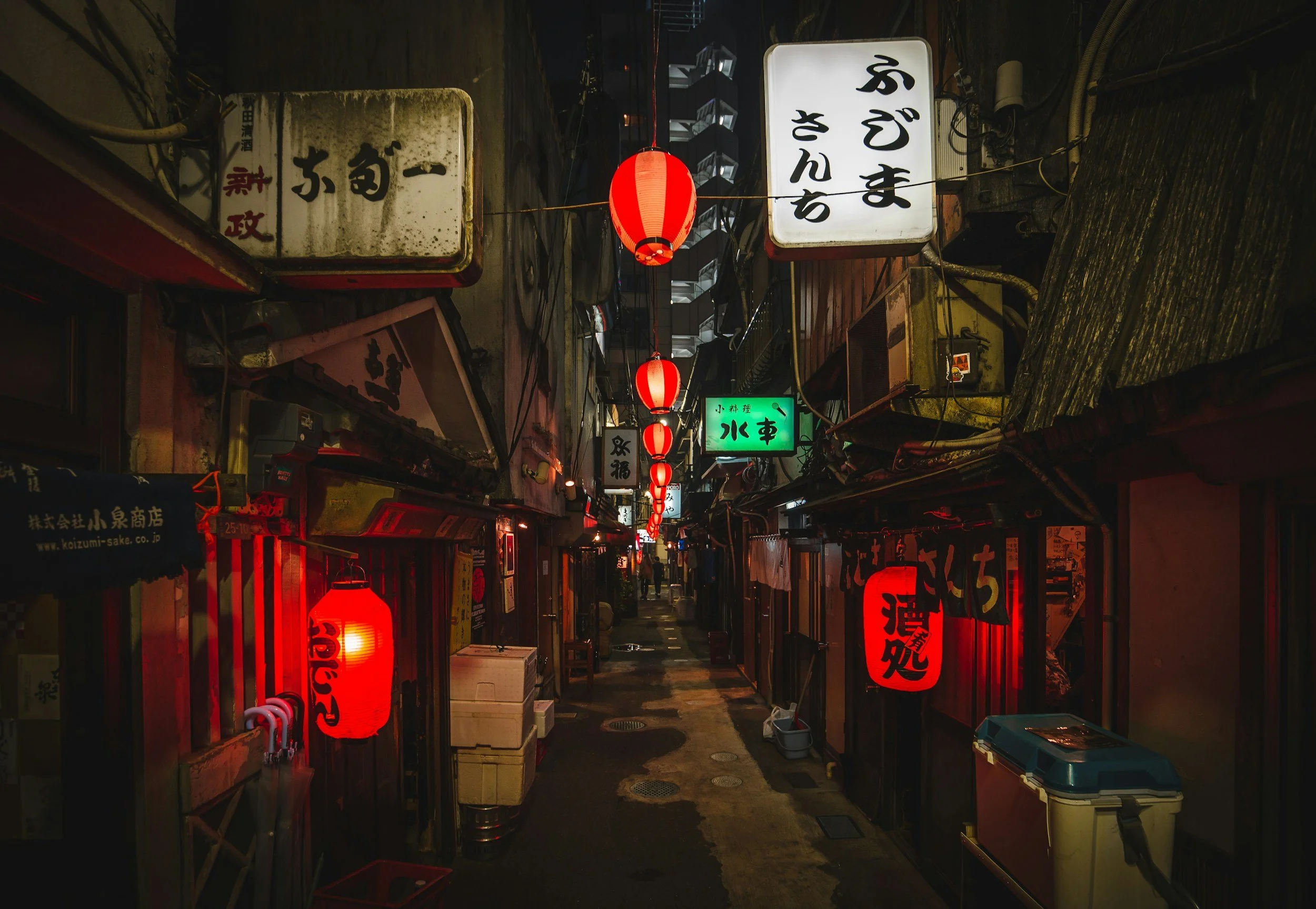
Japan
From the volcanic slopes of Yamanashi to the snowy fields of Hokkaido, discover Japan's natural wine awakening—where ancient Koshu grapes meet pet-nat bubbles and Muscat Bailey A embraces carbonic maceration
Beyond Sake and Whiskey
When Zen philosophy meets radical winemaking
Japan—archipelago of 6,852 islands, stretching from subtropical Okinawa to subarctic Hokkaido—has built an alcohol reputation on sake, whiskey, and beer. Wine has existed since the Meiji era (1870s) but remained marginal, dominated by sweet, domestic "table wines" made from Delaware and Niagara grapes. However, beneath this commercial surface, a radical counter-movement has emerged: winemakers rejecting chemical agriculture for natural farming, temperature control for wild fermentation, and standardization for seasonal expression.
This guide explores the pioneers of Japanese natural wine—a movement deeply influenced by Masanobu Fukuoka's "One Straw Revolution" (natural farming) and the "doboku" (earthen) philosophy. Takeda Winery in Miyagi Prefecture crafts concrete-egg fermented Koshu with extended skin contact. Kidoizumi Shuzo (Chiba) applies ancient sake yeast methods to wine, creating oxidative, umami-driven bottles. Ichikawa Farm (Yamanashi) dry-farms 100-year-old Koshu vines on granite slopes. Domaine Ponkotsu makes "Gonbe"—a cloudy, pet-nat Delaware that has become a Tokyo natural wine bar staple.
What distinguishes Japanese natural wine is philosophical alignment—the concept of "shizen" (自然, natural/spontaneous) already exists in Japanese culture. The wines are often shockingly delicate: translucent Koshu with saline minerality, Muscat Bailey A with carbonic crunch and cherry-blossom aromatics, skin-contact blends that pair with dashi rather than butter. This is wine as an extension of "washoku" (traditional Japanese cuisine)—seasonal, subtle, and deeply site-specific.
Key Facts
- Location: East Asia, 20°N to 45°N latitude
- History: 150 years (modern era since 1970s)
- Key Regions: Yamanashi, Nagano, Hokkaido, Yamagata, Chiba
- Main Grapes: Koshu, Muscat Bailey A, Delaware, Niagara, Merlot
- Method: Natural farming, wild yeast, no filtration, doboku
- Style: Delicate, umami-driven, high acid, transparent
- Notable: Highest percentage of indigenous grapes in natural wine
From Meiji Modernization to Natural Farming
A century and a half of Japanese viticulture
Meiji Westernization
Japan opens to the West (Meiji Restoration). Two young winemakers sent to France return with vines, planting Japan's first commercial vineyards in Yamanashi Prefecture (Koshu Valley). The government promotes wine as "civilized" Western beverage, but quality remains poor—grapes don't ripen fully in humid summers. Early wines fortified with sugar and spirits to mask acidity. "Ishin Wines" (Meiji era wines) born.
The Yamato Wines Era
Breeding programs begin at National Institute of Fruit Tree Science. Dr. Zenbei Kawakami creates "Muscat Bailey A" (1927)—a hybrid of Bailey (American) and Muscat Hamburg, designed to resist humidity and disease. "Yamato Wines" (domestic style) emerges: sweet, low-alcohol, fruity, made for Japanese palates. Delaware and Niagara grapes dominate. Wine remains niche; sake is still national drink.
The "Shinshu" Boom
Japan enters economic miracle. Domestic wine demand grows, but focus is on "fruit wines" and sweet blends. Nagano Prefecture (Shinshu) develops as major region. First French varieties planted (Merlot, Cabernet, Chardonnay) in Yamanashi and Hokkaido. Quality improves with temperature-controlled stainless steel tanks. "Natural" means nothing—heavy chemical use in vineyards, sterile filtration standard.
The Fukuoka Influence
Masanobu Fukuoka's "One Straw Revolution" (1975 English translation) influences young farmers. Some vineyard owners abandon pesticides/tillage. However, winemaking remains conventional. First "natural wine" experiments by sake brewers (Kidoizumi Shuzo) applying kimoto/yamahai wild yeast methods to grapes. "Yamanashi Natural Wine Study Group" forms (underground movement).
The Tokyo Natural Wave
Natural wine bars explode in Tokyo (Shibuya, Koenji, Shimokitazawa): "Grape Republic," "Wine Stand Waltz," "Dot Yotteket." Young Japanese return from France/Italy (Ruben Aubrecht, et al.) bringing natural wine philosophy. Takeda Winery (Miyagi) releases first "doboku" (earthen) wines—concrete egg, skin-contact Koshu. Domaine Ponkotsu founded (2009). "Japan Natural Wine Party" festival begins (Yamanashi).
International Recognition & Debate
Japanese natural wine gains cult status in Paris (Le Dernier Bar avant la Fin du Monde), New York (Fort Greene), London. "Koshu orange wine" becomes category. Debate emerges: what is "Japanese" about Japanese natural wine? Some embrace "wabi-sabi" (imperfection) aesthetics; others focus on indigenous grapes. New generation: Vins Nakajima (Hokkaido), Gutto Tsey (Yamagata), Hana Winery (Okinawa). Government remains skeptical—tax laws favor large producers.
From Granite Slopes to Volcanic Ash
Extreme archipelago terroirs
🗻 Yamanashi
Japan's wine heartland, west of Tokyo (1 hour by train). Surrounded by Japan Alps, Mount Fuji visible. Koshu Valley—granite, sandy soils, excellent drainage. High diurnal shift (hot days, cool nights), though humid summers challenge organic farming. "Koshu City" center of industry. Natural winemakers cluster here: Ichikawa Farm (100-year-old vines), Marufuji (biodynamic), Domaine Q (concrete eggs). The "toro" soil (decomposed granite) gives saline, mineral character to Koshu. Highest concentration of natural wine producers.
❄️ Hokkaido
Northernmost island, subarctic climate, heavy snowfall. Japan's "new frontier" for wine. Tokachi, Furano, and Yoichi sub-regions. Cool climate allows for long hang time; global warming making it viable. Volcanic soils (Mt. Tokachi active). Natural winemakers: Vins Nakajima (biodynamic), Domaine Takahiko (Yoichi—Pinot Noir specialist), Hokkaido Wine (natural line). Strong influence of Burgundian technique. Short growing season requires careful site selection.
🏔️ Nagano
Shinshu region, Japanese Alps, highest elevation vineyards (500-1000m). "Shinshu" wine GI. Cool continental climate, low humidity (unusual for Japan), ideal for organic farming. Igawa Vineyard (natural Koshu), Matsumoto Winery. "Azumino" area—wasabi farms and vineyards side by side. Granite and clay soils. High UV due to elevation creates thick skins (good for orange wine). Historic "Shinshu Wine Valley" route.
🌊 Miyagi & Chiba
Tohoku region (northeast) and Kanto (east). Miyagi: Takeda Winery (Sendai)—cool, tsunami-affected area, granite soils, organic Koshu and Merlot. Chiba: Kidoizumi Shuzo (Katori)—historic sake brewery making natural wine using kimoto method, oxidative style, clay amphorae. Humid, challenging climate requiring skill. These areas represent "rebel" winemaking—far from Yamanashi center.
🌸 Yamagata
"Fruit Kingdom" of Japan, north of Tokyo. Famous for cherries, pears, and grapes. Heavy snowfall in winter (natural refrigeration), hot summers. "Tatenokawa" and other sake breweries also making wine. Gutto Tsey (natural winery in obscure mountain village). Red clay soils. Strong tradition of natural farming (not just wine)—locals understand "shizen ho" (natural methods).
🏝️ Okinawa
Subtropical Ryukyu Islands, completely different climate from mainland. No phylloxera (sandy soils), own grape varieties. "Tropical wine" movement. Hana Winery attempts natural vinification of island grapes. High humidity challenges, but unique potential. Represents experimental fringe of Japanese natural wine.
Regional Natural Wine Character
| Region | Climate | Soil | Natural Wine Character |
|---|---|---|---|
| Yamanashi | Continental, humid | Granite, decomposed stone | Saline Koshu, mineral reds |
| Hokkaido | Subarctic, cool | Volcanic, clay | Elegant Pinot, crisp whites |
| Nagano | Alpine, high elevation | Granite, alluvial | High acid, structured |
| Miyagi/Chiba | Maritime, humid | Granite, clay loam | Umami, oxidative, experimental |
| Yamagata | Heavy snow, hot summer | Red clay | Fruity but natural, pure |
The Featured Producers
The vanguard of Japanese natural wine
Yamanashi – The Koshu Revolution
The Rebel Regions – Miyagi, Chiba & Beyond
Hokkaido & The New Frontier
The Grapes of Nihon
Indigenous Koshu and hybrid Muscat Bailey A
Koshu
Japan's signature indigenous grape, grown for 1,000+ years in Yamanashi. Pink-skinned (can make rosé), thick-skinned, late budding, resistant to humidity. Historically made into delicate, neutral white wine. Natural winemakers revolutionize it: skin contact creates "orange" or "amber" Koshu with tannins, structure, and umami. The variety has naturally high acid and low sugar (low alcohol potential), making it perfect for "session" natural wines. Flavors of grapefruit, white peach, and distinct "saltiness" (saline minerality from granite soils). Can age surprisingly well in natural versions (5-10 years).
- Style: High acid, low alcohol, saline, delicate
- Natural Wine Role: Orange/amber wine, pet-nat, concrete aging
- Top Producers: Ichikawa Farm, Marufuji, Takeda
- Regions: Yamanashi, Nagano, Hokkaido
- Notable: 1,000+ year history, own-rooted vines
Muscat Bailey A
Created in 1927 by Zenbei Kawakami by crossing Bailey (American vitis labrusca) with Muscat Hamburg. Designed for Japan's humid climate—resistant to rot, disease, and winter cold. Historically made into sweet, fruity "Yamato wine." Natural winemakers treat it differently: carbonic maceration creates light, crunchy reds (like Beaujolais); whole-cluster fermentation brings out herbal, floral notes; or bold, extracted styles with extended maceration. Flavors of strawberry, cherry, rose petals, and distinct "grapey" muscat character. Low tannins naturally, so skin contact is used for structure.
- Style: Light, fruity, low tannin, floral
- Natural Wine Role: Carbonic, whole cluster, light reds
- Top Producers: Domaine Ponkotsu, Marufuji, Gutto Tsey
- Regions: Yamanashi, Hokkaido, Yamagata
- Notable: Unique to Japan, created for climate
Delaware
American vitis labrusca variety (like Concord/Isabella) introduced in Meiji era. Very popular in Japanese table wines—pink juice, fruity, "grape juice" flavor. Natural winemakers use it for pet-nats (bottle-fermented sparkling) and light rosés. "Foxiness" (methyl anthranilate) is the distinctive flavor—grapey, candy-like. Natural versions often cloudy, low alcohol (8-10%), slightly sweet, highly drinkable. Domaine Ponkotsu's "Gonbe" is the cult example. Perfect for izakaya drinking—pairs with salty snacks.
- Style: Fruity, low alcohol, "foxy," sweet-tart
- Natural Wine Role: Pet-nat, rosé, glou-glou
- Top Producers: Domaine Ponkotsu, Kidoizumi
- Regions: Yamanashi, Chiba
- Notable: "Foxiness" distinct from vinifera
More Japanese Varieties
Merlot: Most successful international red in Japan. Natural winemakers (Takeda, Marufuji) use whole cluster and concrete aging to create savory, medium-bodied reds unlike Bordeaux fruit-bombs.
Pinot Noir: Thrives in cool Hokkaido and Nagano. Natural versions (Domaine Takahiko) are ethereal, high-acid, transparent—like Jura or Burgundy.
Niagara: Another American labrusca, very aromatic. Natural winemakers use for aromatic whites and pet-nats. Distinct "grape candy" nose.
Chardonnay: Planted in cooler areas. Natural versions (rare) use no oak, wild ferment, creating "Jura-like" oxidative styles or clean Chablis-style.
Kerner: German hybrid grown in Hokkaido. High acid, aromatic. Natural winemakers experiment with skin contact.
Black Queen: Another Japanese hybrid (Muscat Hamburg x Bailey). Dark color, spicy. Rare but interesting for natural wine.
Food Pairing & Washoku
Natural wine meets Japanese cuisine
For Orange Koshu
- Sashimi: Especially oily fish (mackerel, yellowtail)
- Yuba: Tofu skin, simple and delicate
- Tsukemono: Pickled vegetables (daikon, plum)
- Tempura: Light vegetable or shrimp tempura
- Dashi-based soups: The saline minerality matches
For Muscat Bailey A
- Yakitori: Charcoal-grilled chicken skewers
- Nimono: Simmered vegetables and meat
- Grilled mackerel: With salt (shioyaki)
- Sukiyaki: Sweet beef hot pot
- Edamame: Simple, salty, perfect match
For Pet-Nat Delaware
- Karaage: Japanese fried chicken
- Takoyaki: Octopus balls, street food
- Okonomiyaki: Savory pancakes
- Korokke: Croquettes
- Senbei: Rice crackers, beer snacks
For Oxidative/Sake-Style Wine
- Aged sake kasu: Lees pickles
- Miso soup: The umami amplification
- Grilled eel: Unagi with sansho
- Shiokara: Fermented squid guts (intense)
- Natto: Fermented soybeans (for the brave)
Visiting Natural Nihon
From Tokyo bars to Yamanashi vineyards
🗻 Yamanashi & Mt. Fuji
Train from Shinjuku (90 mins) to Koshu City. Ichikawa Farm (appointment only, Japanese required or guide). Marufuji (tastings available). Domaine Q (small, call ahead). Combine with Mt. Fuji viewing (best in winter/clear days), Shosenkyo Gorge (autumn colors), and onsen (hot springs). Stay at Shibu Onsen or Kawaguchiko. Local specialty: hoto (thick udon noodles).
❄️ Hokkaido Wine & Snow
Fly to Sapporo or Obihiro (Tokachi). Vins Nakajima (appointment, rural location). Domaine Takahiko (Yoichi, near whiskey distillery). Best visited in summer (August) when vineyards green, or winter for snow festivals (though wineries closed). Combine with Niseko (skiing), Furano (lavender fields), fresh dairy (Hokkaido cheese). Rent car essential—public transport limited.
🌃 Tokyo Natural Wine Crawl
Shibuya: Start at Grape Republic (standing, Japanese natural focus). Shimokitazawa: Dot Yotteket (hipster, natural wine bottles). Koenji: Wine Stand Waltz (tiny, curated). Sangenjaya: Le Dernier Bar (French/Japanese mix). Kappabashi: Kitchen town, some natural wine shops. No appointments needed—bar hop. Eat at izakayas between stops. Last train around midnight (or taxi).
Japanese Natural Wine Culture & Travel Tips
The "Doboku" Aesthetic: Natural wine labels often feature "wabi-sabi"—imperfect, hand-drawn, earthen colors. Embracing cloudiness and sediment as beauty.
Festivals: "Japan Natural Wine Party" (Yamanashi, annual)—outdoor festival with 50+ producers, camping, live music. "Tokyo Natural Wine Fest" (urban, hip).
Izakaya Crossover: Traditional pubs now stocking Domaine Ponkotsu and Ichikawa Farm alongside sake and beer.
The "Standing Bar" Culture: "Tachinomiya"—cheap, standing-only bars where natural wine is becoming common. Very democratic, unpretentious.
Convenience Stores: Natural wine is rarely in combini (7-11, Lawson), but specialist shops like "Natural Wine Co-op" in Tokyo sell it.
14-Day Itinerary Overview: Days 1-3 Tokyo (bar crawl), Days 4-5 Yamanashi (vineyards), Day 6 Nagano, Day 7 Tokyo, Day 8 Miyagi, Day 9 Chiba, Days 10-12 Hokkaido, Days 13-14 return/shopping.
Detailed 14-Day Natural Wine Itinerary
Day 1-3 - Tokyo: Arrive Narita/Haneda. Natural wine bar crawl (Shibuya, Shimokitazawa). Tsukiji Outer Market (sashimi). Day trip to Kamakura (beach, temples). Overnight Tokyo.
Day 4 - Yamanashi: Train to Koshu City. Ichikawa Farm tasting (appointment). Shosenkyo Gorge hike. Overnight Koshu (ryokan).
Day 5 - Yamanashi: Marufuji tasting. Mt. Fuji viewing (Chureito Pagoda). Domaine Q visit. Overnight Kawaguchiko (onsen).
Day 6 - Nagano: Train/bus to Matsumoto (Azumino). Igawa Vineyard (natural Koshu). Matsumoto Castle. Overnight Matsumoto.
Day 7 - Nagano: Kamikochi (Alpine hiking, if season). Return Tokyo. Overnight Tokyo.
Day 8 - Miyagi: Shinkansen to Sendai (2 hours). Takeda Winery (rural, need car/guide). Matsushima Bay (pine islands). Overnight Sendai.
Day 9 - Chiba: Train to Katori. Kidoizumi Shuzo (sake/wine tasting). Narita Temple (near airport). Return Tokyo. Overnight Tokyo.
Day 10 - Fly to Hokkaido: Fly to Sapporo. Sapporo Beer Museum (contrast). Ramen alley. Overnight Sapporo.
Day 11 - Hokkaido: Drive/train to Yoichi. Domaine Takahiko (Pinot). Nikko Whiskey distillery. Overnight Niseko or Yoichi.
Day 12 - Hokkaido: Vins Nakajima (Tokachi). Furano fields (summer) or snow activities (winter). Overnight Obihiro.
Day 13 - Return Tokyo: Fly Sapporo-Tokyo. Last shopping (natural wine bottles to take home). Farewell dinner at natural wine izakaya. Overnight Tokyo.
Day 14 - Departure: Fly from Narita/Haneda.