

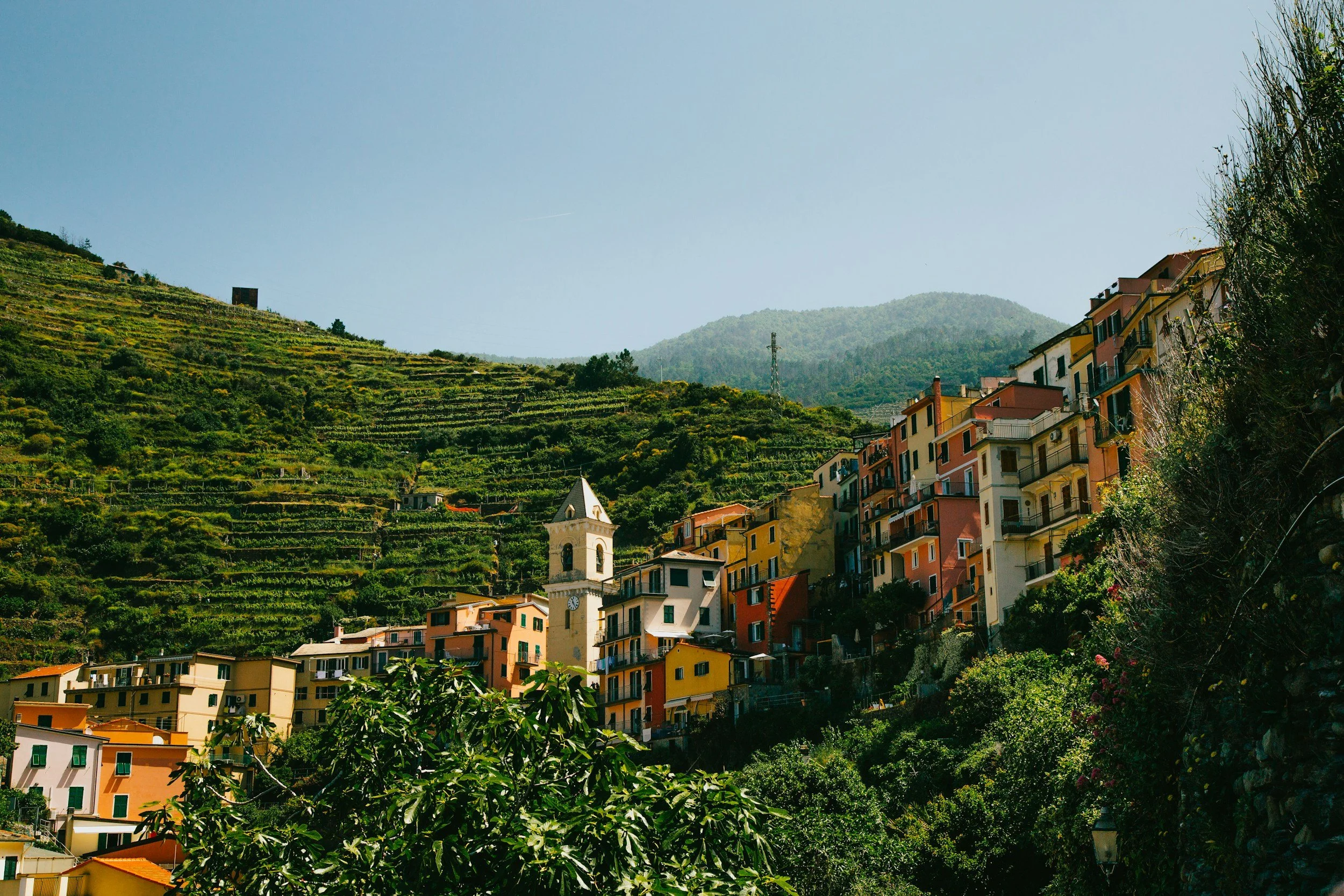
Liguria Natural Wine Guide
Cinque Terre Terraces & Slate-Soil Pigato | Heroic Viticulture & Mediterranean Reds
Heroic Viticulture & Maritime Extremes
When machine harvesting is impossible and the sea provides the only flat land
Liguria—Italy's narrow coastal crescent wedged between the Alps and the Tyrrhenian Sea—is its smallest wine region by volume but its most extreme by topography. This is the land of the "heroic vineyard" (viticoltura eroica), where vines cling to cliffs at 60-degree angles, terraces are hand-built from dry stone, and every grape must be carried down on the shoulders of pickers or via monorail cable cars. There are no tractors, no mechanization, and no room for error.
This guide explores the natural wine pocket of the Italian Riviera—where schist soils and maritime influence create wines of crystalline salinity and alpine freshness. Bisson (Valter Bisson, Albenga) is the region's natural wine pioneer, proving that Pigato (local Vermentino) can express slate minerality with zero sulfur. Rossese di Dolceacqua (the village and wine) is Liguria's noble red—light, strawberry-scented, grown on steep terraces above the Nervia river. In the Cinque Terre, Bio Vio and Possa preserve the nearly extinct alberello (bush vine) terraces that UNESCO protects.
What distinguishes Ligurian natural wine is extreme terroir necessity—the steepness and isolation that protected these vineyards from industrialization also preserved ancient farming. It is defined by maritime climate—sea breezes moderate the Mediterranean sun, creating wines of surprising acidity and freshness despite the latitude. And it is characterized by slate and schist soils—the grey-blue stone of Ponente gives saline, mineral, almost smoky characters to whites (Pigato) and reds (Rossese) that evoke Burgundy more than Tuscany.
Key Facts
- Location: Northwest Italy, French border to Tuscany
- History: Roman "Lunae," Maritime Republic of Genoa
- Key Regions: Riviera di Ponente, Cinque Terre, Tigullio
- Main Grapes: Pigato, Vermentino, Rossese, Ciliegiolo
- Method: Hand harvesting, dry stone terraces, alberello
- Style: Mineral whites, light reds, high acid
- Notable: Smallest production region in Italy
From Roman Lunae to Cinque Terre UNESCO
Maritime trade, agricultural abandonment, and the terrace revival
The Romans & Lunae
Roman writers (Pliny the Elder, Livy) describe "Lunae" wines from the Luni area (modern Liguria/Tuscany border) as among Italy's finest, shipped across the empire. The Greeks (who preceded Romans) established vineyards on Isola Palmaria (near Portovenere). The dry-stone terracing technique (muretti a secco) begins—walls built without mortar to hold soil on cliffs. The "Alberello" (bush vine) training develops to maximize sun exposure and resist wind.
The Maritime Republic
The Republic of Genoa dominates Mediterranean trade. Ligurian wines supply Genoese ships and sailors (Columbus was from Genoa). The Cinque Terre (Five Lands) terraces are expanded to feed the maritime population—vineyards mixed with olive groves and citrus. The "Sciacchetrà" passito (dried grape wine) develops as a trade good. "Rossese" is mentioned in medieval documents as the wine of nobility (Dolceacqua castle).
Phylloxera & Abandonment
Phylloxera devastates the region (1880s). Replanting is difficult due to terrain. Post-WWII, industrialization and tourism lure farmers from the hills to Genoa and La Spezia. Many terraces collapse or revert to scrub. By 1960s, Cinque Terre is impoverished, vineyards abandoned. The "Ligurian Riviera" becomes synonymous with tourism (Portofino, Cinque Terre), not wine. Only the most inaccessible terraces survive.
The Bisson Revolution
Valter Bisson establishes his winery in Albenga (western Liguria), focusing on indigenous varieties (Pigato, Rossese) and organic farming at a time when the region was abandoning vines for tourism. He rejects chemicals, builds a modern cellar using gravity, and bottles with minimal sulfur. Other pioneers: Terra di Bargòn (Rossese), Bruna (Dolceacqua), Rollo (Cinque Terre). The movement is small but committed to terroir.
UNESCO & Cinque Terre
The Cinque Terre and Portovenere are designated UNESCO World Heritage sites, recognizing the "cultural landscape" of terraced agriculture. This brings attention but also challenges—tourism increases, young people still leave, and vineyard maintenance becomes heritage preservation rather than agriculture. The Cinque Terre DOC struggles to survive. Natural producers (Possa's "Sostio," Bio Vio) become crucial to keeping the terraces alive.
Heroic Renaissance
Recognition of "Heroic Viticulture" by agricultural organizations brings small subsidies for hand-farming. Young producers return to abandoned terraces, drawn by natural wine culture and the chance to farm land unavailable elsewhere in Italy. Testalonga (Antonio Perrino, imported by Kermit Lynch) gains cult status for Rossese. Punta Crena (Marcimarso family) preserves ancient vine varieties. The region remains tiny (1,500 hectares vs 50,000 in Tuscany), but the quality-to-area ratio is extraordinary.
Riviera di Ponente & Cinque Terre
Slate cliffs, limestone marls, and maritime influence
⛰️ Riviera di Ponente (West)
The "Coast of the Setting Sun" from Genoa to the French border. Albenga is the wine capital—flat alluvial plains (avoided by natural producers) and steep slate hills (prized). The Pigato grape (biotype of Vermentino adapted to Liguria) dominates, with Rossese reds. Soils are slate/schist (grey-blue stone) with quartz veins, giving wines a distinct mineral, almost gunflint character. The climate is Mediterranean with Alpine influences from the nearby Ligurian Alps. Valter Bisson, Terra di Bargòn, and Bruna farm here.
🌊 Cinque Terre (Center)
Five villages (Monterosso, Vernazza, Corniglia, Manarola, Riomaggiore) connected by terraced cliffs. The soil is sandy limestone and flysch (layered sedimentary rock), extremely poor in organic matter. Vines are trained as alberello (bush vines) on narrow terraces held by dry-stone walls. The "heroes" here are the farmers who maintain these UNESCO terraces. Bosco (white), Albarola, and Vermentino make the "Cinque Terre DOC" (crisp, saline). "Sciacchetrà" is the passito (dried grape dessert wine). Bio Vio and Possa are the natural producers keeping tradition alive.
🍇 Rossese di Dolceacqua
The Nervia Valley inland from Ventimiglia (French border). The village of Dolceacqua (painted by Monet) sits beneath a castle, surrounded by south-facing terraces of Rossese (red grape). The soil is calcareous marl with slate, similar to Piedmont's Tortonian soils. The microclimate is warm but ventilated, protected from north winds by mountains. Rossese here makes light, strawberry-scented, high-acid reds of surprising elegance—compared to Schiava or light Burgundy. Bruna and Testalonga farm these steep slopes.
⚓ Golfo del Tigullio
The Portofino peninsula and surrounding hills (east of Genoa). Less known for wine (more tourism), but some vineyard pockets survive. The Ciliegiolo grape (light, cherry-scented red) and Vermentino are grown on terraces above the wealthy coastal towns. Bio Vio has vineyards here as well as Cinque Terre. The terroir is limestone with clay, less slate-driven than Ponente.
🏔️ Colli di Luni (Eastern Edge)
Technically straddling Liguria and Tuscany (Lunigiana area), this is the easternmost Ligurian zone. Vermentino is the star, grown on sandstone and limestone hills. Some natural production, though often grouped with Tuscan wines. The "Terre di Briganti" (Bandit Lands) character—remote, rugged, independent.
🪨 Slate and Schist
The defining terroir element of western Liguria. The slate (ardesia) and schist soils give the wines their signature minerality—salt, stone, and a smoky reduction that natural winemakers preserve rather than correct. Pigato especially expresses this—when grown on slate (as opposed to the alluvial plains), it develops petrol notes and saline length similar to Riesling or Chablis.
Regional Natural Wine Character
| Zone | Soil | Grapes | Natural Wine Character |
|---|---|---|---|
| Albenga (Ponente) | Slate, schist, quartz | Pigato, Rossese | Saline, smoky, mineral |
| Cinque Terre | Flysch, limestone, sand | Bosco, Albarola | Crisp, sea-spray, acidic |
| Dolceacqua | Calcareous marl, slate | Rossese | Strawberry, herbal, light |
| Tigullio | Limestone, clay | Ciliegiolo, Vermentino | Cherry, herbal, medium |
| Colli di Luni | Sandstone, limestone | Vermentino | Citrus, almond, fresh |
The Featured Producers
Schist specialists and terrace heroes
Riviera di Ponente – The Slate Masters
Dolceacqua & The Reds – Light & Alpine
Cinque Terre – The Terrace Guardians
The Grapes of Liguria
Slate-expressed whites and alpine-light reds
Pigato
Genetically identical to Vermentino (and Favorita in Piedmont), but Pigato is considered a distinct biotype adapted to Ligurian slate soils. The name may derive from "pighe" (spots) on the ripe grapes. When grown on schist (as opposed to alluvial plains), it develops distinct petrol notes, smoky reduction, and saline minerality unlike any other Italian white. Naturally high in acidity and phenolics, making it ideal for skin-contact and extended lees aging. Flavors: lemon peel, petrol, sea salt, crushed stone, white peach. Aged versions develop honey and almond notes.
- Style: Mineral, saline, petrol, high acid
- Natural Wine Role: Skin contact, lees aging, no oak
- Top Producers: Bisson, Bruna, Testalonga
- Regions: Albenga, Ponente coast
- Notable: Same DNA as Vermentino but distinct expression
Rossese
Liguria's noble red—light in color (ruby-pale), high in acidity, moderate tannin, intensely aromatic. DNA suggests origins in Provence (Tibouren), brought by ancient maritime trade. Makes wines of wild strawberry, rose petal, blood orange, pine forest, and wild herbs (maquis). Extremely site-sensitive—when grown on limestone/marl (Dolceacqua), it achieves elegance comparable to Burgundy; on sandy soils, it becomes rustic. Natural winemakers use whole-cluster fermentation to emphasize the herbal/spicy character. Best served cool (15°C) like a dark rosé.
- Style: Light, aromatic, high acid, pale
- Natural Wine Role: Whole cluster, cool fermentation
- Top Producers: Bruna, Testalonga, Terra di Bargòn
- Regions: Dolceacqua, Camporosso
- Notable: Related to Provence's Tibouren
Bosco
The primary grape of Cinque Terre DOC (minimum 40%), typically blended with Albarola and Vermentino. Bosco is neutral but structured—providing body and alcohol (can reach 14% naturally). On its own, it shows apple, pear, and almond. The "Red Bosco" (Bosco Rosso) is a rare color mutation that Possa uses for a unique red wine. Natural producers use extended lees contact to add texture to Bosco's neutral character. The grape is sturdy—resistant to the strong winds and salt spray of the Cinque Terre coast.
- Style: Neutral, structured, high alcohol
- Natural Wine Role: Lees aging, blending base
- Top Producers: Bio Vio, Possa
- Regions: Cinque Terre only
- Notable: Red mutation exists (rare)
More Ligurian Varieties
Albarola: White grape from Cinque Terre, acidic, herbal, often blended with Bosco. Delicate, prone to oxidation, requiring careful handling.
Ciliegiolo: "Little cherry"—light red grown in Tigullio and Ponente. Fresh, fruity, chillable. Bisson makes a benchmark example.
Granaccia: Local name for Grenache (Spanish influence via maritime trade). Grown near French border, makes medium-bodied spicy reds. Bruna and Testalonga produce it.
Ormeasco: Local Dolcetto grown in high valleys (Valle Arroscia, Val Pennavaire). Dark, tannic, rustic mountain wine.
Pignolo: Rare red from Dolceacqua area, unrelated to Friuli's Pignolo. Light, fruity, almost extinct.
Vermentino: Same as Pigato genetically, but usually refers to the Colli di Luni (eastern) style or Cinque Terre blends—more citrus, less petrol than slate-grown Pigato.
Food Pairing & Ligurian Cuisine
Pesto, focaccia, and the Mediterranean diet
For Pigato & Slate Whites
- Acciughe: Fresh anchovies (marinated or fried)
- Focaccia di Recco: Cheese-filled thin bread
- Cappon magro: Seafood and vegetable salad
- Stoccafisso: Stockfish (dried cod) brandacujun
- Oily fish: Mackerel, sardines grilled
For Rossese & Light Reds
- Trofie al pesto: Hand-rolled pasta with basil
- Pansoti: Ravioli with wild herbs (preboggion)
- Coniglio: Rabbit Ligurian style (olives, pine nuts)
- Farro soup: Spelt with beans
- Cima: Stuffed veal breast (Genoa specialty)
For Cinque Terre Bosco/Albarola
- Fried seafood: Calamari, baby octopus
- Sciacchetrà: With cantucci or cheese
- Ligurian olives: Taggiasca olives
- Mussels: Impepata di cozze (peppered)
- Tomato focaccia: Simple, perfect
For Sciacchetrà (Passito)
- Pandolce: Genoese dried fruit cake
- Amaretti: Almond cookies
- Gorgonzola: Sweet wine classic
- Dried figs: Stuffed with nuts
- Panera: Coffee ice cream (semifreddo)
Ligurian Culinary Traditions
Pesto Genovese: The sacred sauce—DOP basil from Pra, pine nuts, Parmigiano, Pecorino, garlic, olive oil. Never heated. Perfect with Rossese's herbal notes.
Focaccia: Born in Genoa—thin, oily, salty. Focaccia di Recco (cheese-filled) requires Pigato's acidity to cut the richness.
Farinata: Chickpea flour pancake baked in wood ovens. Street food with white wine.
Wild Herbs: Preboggion (mix of wild herbs) used in pansoti filling. The same herbs grow between vineyard rows, flavoring the wine.
Anchovies: The "bread of the sea"—Monterosso and Cinque Terre are famous for salted anchovies (acciughe sotto sale). Pair with Pigato.
Olive Oil: Taggiasca olives produce delicate, fruity oil. Essential for pesto and finishing dishes. Most wine producers also make oil.
Visiting Natural Liguria
From French border to Cinque Terre hiking trails
🇫🇷 Riviera di Ponente (West)
Base in Ventimiglia (French border) or Albenga. Bisson (Albenga—appointment, steep drive). Testalonga (Dolceacqua—walkable from village, but terraces require hiking). Bruna (Dolceacqua town). Terra di Bargòn (Camporosso—coastal hills). Combine with French Riviera (Menton, Nice—30 min), Sanremo (music festival town), and Bordighera (gardens). Best in spring (April-May—wildflowers) or September-October (harvest, less tourists).
🏛️ Cinque Terre
Base in Monterosso (flattest, has beach) or Levanto (outside park, cheaper). Bio Vio (above Monterosso—hike up or taxi). Possa (Manarola—contact ahead, very small). Hiking the Sentiero Azzurro (Blue Trail) between villages reveals the terraces. Take the train between villages (frequent, essential—parking impossible). Stay overnight (day-trippers leave by 6 PM). Best in March-April or October (avoid July-August crowds and heat).
⚓ Golfo del Tigullio (East)
Base in Santa Margherita or Rapallo (less expensive than Portofino). Bio Vio also has vineyards here. Combine with Portofino (hike to lighthouse), Camogli (fishing village), and Genoa (aquarium, old port, food). The wine is less concentrated here—more of a culinary add-on to a Riviera vacation. Best spring or fall.
Liguria Natural Wine Travel Tips
Transport: Train is essential—Liguria's coastal railway connects all wine towns (Ventimiglia to La Spezia). Car is useful for Ponente (west) but useless for Cinque Terre (no parking). Be prepared to hike—many wineries are only accessible on foot.
Timing: Harvest is early-mid September. Spring (April-May) sees the wild herb preboggion harvest and blooming terraces. Avoid August—French and Italian tourists crowd the coast, prices triple.
Footwear: Essential warning: Do not visit vineyards in sandals or city shoes. The terraces require sturdy hiking boots with grip (schist is slippery). Wineries may refuse tours to those inappropriately dressed—it's a safety issue.
Language: In Ponente (west), the Ligurian dialect is strong and French influence exists (many locals speak some French). In Cinque Terre, English is widely spoken due to tourism, but the wine producers appreciate Italian attempts.
French Connection: The western border (Ventimiglia) blends into France—consider combining with Nice, Menton, or the perched villages of Provence. The Rossese grape continues into France as Tibouren (try Clos Cibonne in Provence for comparison).
Accommodation: Stay in agriturismi (farm stays)—many wineries offer rooms. This supports the agricultural economy directly. In Cinque Terre, book 6 months ahead for spring/fall.
7-Day Natural Wine Itinerary
Day 1 - Genoa: Arrive Genoa. Explore caruggi (alleyways), eat focaccia, visit port. Overnight Genoa.
Day 2 - Ponente West: Train to Albenga (1.5 hours). Bisson (tasting/lunch). Afternoon: Dolceacqua (Testalonga or Bruna). Overnight Dolceacqua (charming village) or Ventimiglia.
Day 3 - French Border: Morning: Terra di Bargòn or hike in Nervia Valley. Afternoon: Cross to Menton (France) for contrast, or visit Bordighera gardens. Overnight Ventimiglia.
Day 4 - Cinque Terre: Train to Monterosso (Cinque Terre). Hike Santuario della Madonna di Soviore (high above). Bio Vio (appointment). Overnight Monterosso.
Day 5 - The Hike: Hike Sentiero Azzurro (Monterosso to Vernazza to Corniglia—stop for lunch). Continue to Manarola. Possa (if arranged). Overnight Manarola or Riomaggiore.
Day 6 - Portofino: Train to Santa Margherita. Hike to Portofino (2 hours, beautiful). Lunch in Portofino harbor. Afternoon: Relax or visit Camogli. Overnight Santa Margherita.
Day 7 - Departure: Return to Genoa airport or train to Milan (2 hours) or Pisa (1.5 hours).
Alternative: Add 2 days for Portovenere (Gulf of Poets) and Palmaria Island (ferry from Portovenere), or extend into Provence (Nice, Vence).