

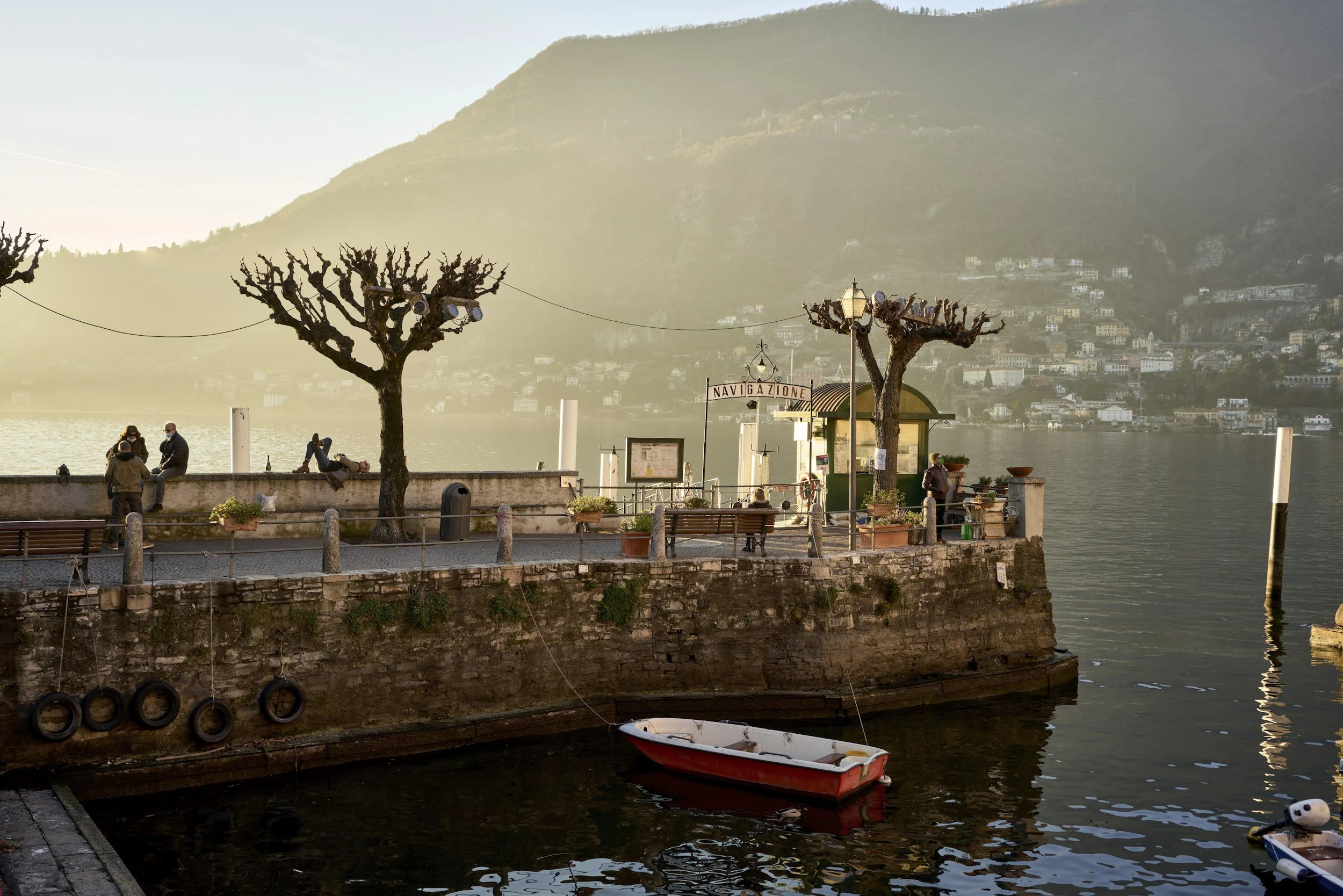
Lombardy
From the granite terraces of Valtellina to the glacial moraines of Franciacorta, discover Lombardy's natural wine frontier—where Alpine Nebbiolo meets ancestral method Lambrusco and Timorasso challenges conventional whites
Resistance in the Industrial North
When Alpine tradition meets natural innovation
Lombardy—Italy's financial and industrial engine—is paradoxically home to some of its most extreme and artisanal viticulture. This is a region of stark contrasts: the skyscrapers of Milan stand just an hour from the vertiginous, terraced vineyards of Valtellina, where Nebbiolo (locally Chiavennasca) grows at 700 meters on granite cliffs. While Franciacorta produces millions of bottles of metodo classico sparkling wine (Italy's answer to Champagne), a quiet revolution brews in the Oltrepò Pavese hills and the Po Valley plains.
This guide explores the emerging natural wine movement of Lombardy—pockets of resistance where Alpine extremes and ancient traditions defy industrial logic. Camillo Donati (Mantova) is the region's cult figure, making wild-ferment Lambrusco and Malvasia without sulfur since the 1990s in the flatlands south of the Po. Cascina Montagnola (Oltrepò Pavese) has resurrected the nearly extinct Timorasso grape, farming organically and fermenting with native yeast. In Valtellina, young producers like Dirupi are challenging the established houses by embracing natural fermentation in the extreme Alpine terroir. Barone Pizzini leads the biodynamic charge in Franciacorta, proving that Italy's most prestigious sparkling wine region can embrace natural methods.
What distinguishes Lombardy natural wine is extreme terroir—the Valtellina terraces are among the steepest in Europe, requiring helicopter harvesting and hand-carried crates. The continental climate—with Alpine influences, lake effects from Como and Garda, and Po Valley fog—creates wines of nerve and acidity. It is also defined by grape diversity—from the rare Timorasso white to Croatina (Bonarda), Marzemino, and the Alpine Nebbiolo that rivals Barolo. In a region dominated by industrial Franciacorta and bulk Oltrepò, these producers are reclaiming Lombardy's pre-industrial wine heritage.
Key Facts
- Location: North Italy, Alps to Po Valley
- History: Roman "Rhaetic" wines, Swiss trade routes
- Key Regions: Valtellina, Franciacorta, Oltrepò Pavese, Mantova, Garda
- Main Grapes: Nebbiolo, Chardonnay/Pinot, Timorasso, Croatina, Lambrusco
- Method: Metodo classico, Alpine terracing, appassimento
- Style: Alpine reds, mineral whites, re-fermented sparklers
- Notable: Steepest vineyards in Europe (Valtellina)
From Retico to Metodo Classico
Alpine trade routes and the rise of Franciacorta
The Rhaeti People
The Rhaeti (from whom "Rhaetic wine" mentioned by Pliny and Virgil takes its name) cultivate vines in the Alpine valleys. Valtellina—known as "Vinea Rhaetica"—supplies wine to Roman legions stationed in the Alps. The steep, south-facing terraces are already established, carved into granite and schist. The "Sforzato" drying method (appassimento) develops to concentrate sugars for wines that can survive mountain transport.
Monasteries & Mountain Trade
Benedictine and Cistercian monks (notably the Abbey of Pontida) expand viticulture in Lombardy. The "Strada del Vino" connects Valtellina to Switzerland over the Splügen Pass—Alpine Nebbiolo becomes prized in Zurich and Bern. The Visconti and Sforza dynasties promote wine production around Milan. Oltrepò Pavese (south of the Po) develops as the "Tuscany of the North" with Barbera and Croatina.
The Splügen Pass Trade
Valtellina wine reaches its commercial peak, exporting "Sforzato" and "Inferno" (hell—referring to the hot, steep terraces) to northern Europe. The Napoleonic wars and phylloxera (late 1800s) devastate the region. Many terraces are abandoned due to the extreme labor required. Oltrepò shifts toward bulk wine production for Milan's working class.
The Birth of Franciacorta
Guido Berlucchi releases the first "Pinot di Franciacorta," applying Champagne methods to Chardonnay and Pinot Noir grown on glacial moraine hills between Brescia and Lake Iseo. The region explodes—by the 1980s, Franciacorta is Italy's premier sparkling wine DOC (upgraded to DOCG in 1995). Industrialization follows: large houses (Ca' del Bosco, Bellavista) dominate with technically perfect but often sterile wines.
The Natural Awakening
Camillo Donati (Mantova) converts his family estate to organic farming and zero-sulfur natural wine, reviving ancestral method Lambrusco. In Valtellina, small producers begin rejecting the standardized "Sforzato" style for fresher, natural Nebbiolo. Oltrepò Pavese sees the first organic Timorasso plantings. Franciacorta remains resistant to natural methods, but Barone Pizzini (founded 1870) begins biodynamic conversion.
The New Generation
Dirupi (Valtellina) gains cult status for natural, no-sulfur Nebbiolo from extreme altitudes. Cascina Montagnola establishes Timorasso as a serious natural white. La Torre and Ferghettina experiment with low-dosage, ancestral method Franciacorta. The "Oltrepò Natural" movement grows—producers reclaiming the region's heritage grapes (Croatina, Uva Rara) from bulk wine production. Valtellina's terraced vineyards receive UNESCO protection (2018), highlighting the cultural importance of extreme viticulture.
Valtellina, Franciacorta & Oltrepò
Granite terraces, glacial moraines, and Apennine foothills
⛰️ Valtellina
The most extreme vineyards in Europe. A narrow Alpine valley (Adda River) running east-west at the Swiss border, with vineyards planted on south-facing granite and schist terraces between 300-800 meters. The Nebbiolo here (called Chiavennasca) ripens with high acidity and elegant tannins due to the cool Alpine nights. Subzones: Sassella (granite, elegant), Grumello (alluvial, fruity), Inferno (steep, hot, powerful), Valgella (fresh, aromatic). Natural producers focus on whole-cluster fermentation and cement aging rather than the traditional appassimento method.
🥂 Franciacorta
Morainic hills (glacial deposits) between Brescia and Lake Iseo. The soil is complex—sand, silt, gravel, and glacial pebbles ("sasso") with excellent drainage. Chardonnay and Pinot Noir dominate for metodo classico sparkling wine. While most production is industrial, the terroir suits natural wine: the cool lake breezes and high elevation (200-400m) allow organic farming. Natural producers here focus on zero-dosage (no added sugar), extended lees aging, and ancestral methods (pét-nat style). The "Satèn" (blanc de blancs) style particularly expresses terroir when made naturally.
🍇 Oltrepò Pavese
The "southern Tuscany" of Lombardy—rolling Apennine foothills south of the Po River. Clay-limestone soils with high mineral content. Historically produced bulk wine for Milan, now experiencing a natural renaissance. Timorasso (rare, complex white) thrives here, as does Croatina (Bonarda—light, fruity red), Barbera, and Uva Rara. The climate is continental with Apennine influences—fog in autumn, good diurnal range. Many abandoned vineyards are being reclaimed by young natural producers.
🌊 Lake Garda (Bresciano)
Morainic hills on the western shore of Lake Garda. The lake moderates the climate, creating a Mediterranean microclimate in an Alpine region. Marzemino (red, mentioned in Mozart's Don Giovanni), Sangiovese, and Groppello are traditional. The "Garda Classico" zone produces light, fresh reds and sparkling wines. Natural producers focus on the indigenous Marzemino, making crunchy, chillable reds with whole-cluster fermentation. The "Vino Santo" (passito) tradition exists here but is rare in natural versions.
🌾 Mantova (Alto Mantovano)
Flat Po Valley plains south of Mantua city—traditionally agricultural, not viticultural. Yet this is where Camillo Donati makes some of Italy's most sought-after natural wines. The soil is alluvial clay with limestone pockets. Lambrusco (Maestri and Viadanese varieties) and Malvasia di Candia are the grapes. The extreme humidity (Po River fog) makes organic farming challenging, but the wines are unique—earthy, savory, with high acidity despite the flat terrain. A testament to terroir being about farmer vision as much as landscape.
🏔️ Valcalepio
Overlooked hills between Bergamo and Lake Iseo. Merlot and Chardonnay dominate commercially, but indigenous varieties like Moscato di Scanzo (rare, aromatic red) persist. Some natural producers experiment with high-altitude vineyards here as climate change shifts viable viticulture northward. The soil is limestone and clay with marine fossils.
Regional Natural Wine Character
| Zone | Soil | Grapes | Natural Wine Character |
|---|---|---|---|
| Valtellina | Granite, schist, terraces | Nebbiolo (Chiavennasca) | High acid, floral, mineral |
| Franciacorta | Glacial moraine, sand/silt | Chardonnay, Pinot Noir | Zero dosage, mineral, leesy |
| Oltrepò Pavese | Clay-limestone, Apennine | Timorasso, Croatina | Textured whites, crunchy reds |
| Lake Garda | Morainic, glacial | Marzemino, Sangiovese | Light, fresh, Mediterranean |
| Mantova | Alluvial clay, Po Valley | Lambrusco, Malvasia | Earthy, savory, high acid |
The Featured Producers
Alpine heroes and Po Valley rebels
Valtellina – The Alpine Extremists
Franciacorta – The Biodynamic Vanguard
Oltrepò & Mantova – The Po Valley Rebels
The Grapes of Lombardy
From Alpine Nebbiolo to rare Timorasso
Nebbiolo (Chiavennasca)
Same grape as Barolo, but DNA testing shows it's adapted to Alpine conditions over centuries. In Valtellina, it's called Chiavennasca (from the valley name). Lighter-bodied, more acidic, more floral than Piedmontese versions due to the high altitude (400-800m) and granite soils. Natural winemakers use whole-cluster fermentation to emphasize the peppery, wild-strawberry character. The wines age gracefully but are more approachable young than Barolo. Key flavors: rose petal, tar, wild strawberry, white pepper, crushed granite.
- Style: High acid, elegant tannin, floral
- Natural Wine Role: Whole cluster, cement aging, no appassimento
- Top Producers: Dirupi, Ar.Pe.Pe., Sandro Fay
- Regions: Valtellina (Sassella, Grumello, Inferno)
- Notable: Steepest vineyards in Europe (up to 70% grade)
Timorasso
Nearly extinct by the 1980s, now the pride of Oltrepò Pavese. Complex, thick-skinned white with high phenolic content, capable of long aging (10+ years) and oak barrel fermentation. Aromas of acacia honey, almond, preserved lemon, and wet stone. Natural winemakers skin-contact Timorasso to extract the full phenolic structure, creating "orange" wines with tannin and body. The grape expresses the Apennine clay-limestone soils distinctly. Limited plantings (under 200 hectares total), making it a cult variety.
- Style: Full-bodied, mineral, age-worthy
- Natural Wine Role: Skin contact, amphora aging
- Top Producers: Cascina Montagnola, La Colombera
- Regions: Oltrepò Pavese (Colli Tortonesi overlap)
- Notable: Called "White Barolo" for aging potential
Croatina (Bonarda)
The workhorse grape of Oltrepò Pavese—light-bodied, deeply colored, high in anthocyanins but low in tannin. Traditionally made into bulk wine or fruity "frizzante" (slightly sparkling). Natural winemakers are reclaiming it as a serious variety: whole-cluster fermentation creates peppery, Beaujolais-like reds; carbonic maceration emphasizes the bubblegum and strawberry notes. Blended with Barbera and Uva Rara for "Buttafuoco" DOC. In Argentina, it's confusingly called Bonarda (different from the French Bonarda). Flavors: blackberry, black pepper, violets, earth.
- Style: Light body, dark color, low tannin
- Natural Wine Role: Carbonic, whole cluster, chillable
- Top Producers: Ca' del Monte, Cascina Montagnola
- Regions: Oltrepò Pavese, Colli Piacentini
- Notable: Often made frizzante (naturally re-fermented)
More Lombardy Varieties
Chardonnay (Franciacorta): The base for metodo classico sparkling. Natural versions see extended lees contact, no malolactic blockage, and zero dosage.
Pinot Noir (Franciacorta): Used for rosé and Blanc de Noirs. Natural producers use whole-cluster pressing and wild fermentation.
Marzemino: Light, fruity red from Lake Garda (Mozart's favorite). Natural versions are chillable, whole-cluster, with distinct violet aromas.
Uva Rara: "Rare Grape"—indigenous to Oltrepò, adds acidity to blends. Rarely bottled alone but interesting when made as light red.
Lambrusco Maestri/Viadanese: Mantova varieties for re-fermented sparkling red. Deep color, dry finish, earthy flavors.
Malvasia di Candia: Aromatic white from Mantova, naturally high acidity. Donati makes a legendary sweet version (naturally dried).
Barbera: High-acid red from Oltrepò, usually blended but sometimes solo. Natural versions are crunchy and bright.
Food Pairing & Lombard Cuisine
Risotto, bresaola, and Alpine cheeses
For Valtellina Nebbiolo
- Bresaola: Air-dried beef from Valtellina (essential pairing)
- Pizzoccheri: Buckwheat pasta with cabbage and cheese
- Bitto cheese: Aged Alpine cheese (DOP)
- Polenta taragna: With buckwheat and butter
- Game: Venison, chamois, mountain goat
For Franciacorta Natural
- Sardines: Fresh from Lake Iseo
- Salva cheese: Soft, ripe, stinky (perfect with Satèn)
- Casoncelli: Meat-filled pasta from Brescia
- Whitebait: Fried lake fish (coregone)
- Oysters: Zero dosage with mineral whites
For Oltrepò Reds (Croatina)
- Salumi: Culatello di Zibello, Felino salami
- Tortelli: Stuffed pasta with ricotta/herbs
- Grilled sausages: With polenta
- Cotechino: Fresh pork sausage (fruity reds cut fat)
- Fried gnocco: Puffy bread with cured meats
For Lambrusco & Natural Bubbles
- Tortelli di zucca: Pumpkin ravioli with amaretti
- Stracotto: Braised beef in wine
- Salamina da sugo: Fermented pork sausage
- Gnocco fritto: Fried dough with salumi
- Grana Padano: Aged (different zone but perfect match)
Lombard Culinary Traditions
Risotto Culture: Lombardy is Italy's rice capital (Arborio, Carnaroli). Risotto alla Milanese (saffron) is sacred—pair with Franciacorta Satèn. Risotto with perch for Lake Garda reds.
Polenta: Staple of the poor, now gourmet. Valtellina's "pizzoccheri" (buckwheat pasta) is unique to the region—heavy, perfect with structured Nebbiolo.
Bresaola: The original "air-dried beef" from Valtellina—lean, elegant, requiring the high-acid local wine.
Cassoeula: Winter pork stew from Milan—heavy, fatty, needs Lambrusco acidity or Oltrepò Croatina.
Panettone: Milan's Christmas bread (tall, fruity). Pair with Sforzato (dried grape wine) or natural sweet Malvasia.
Bitto & Casera: Alpine cheeses for grating (Bitto) or eating (Casera). Essential with Valtellina wines.
Visiting Natural Lombardy
From Milan fashion to Alpine terraces
⛰️ Valtellina
Base in Sondrio or Morbegno. The Strada del Vino di Valtellina winds through the terraced vineyards. Visit Dirupi (appointment essential—English spoken). Ar.Pe.Pe. (tastings in historic cellar). Nino Negri (for contrast—historic, large). Combine with Bormio (thermal baths, skiing) or Livigno (duty-free shopping). The Bernina Express train (UNESCO) connects to Switzerland. Best in autumn (harvest, golden terraces) or winter (wine + skiing).
🥂 Franciacorta
Base in Brescia or Iseo (lake town). Barone Pizzini (tours of biodynamic vineyards). Ferghettina (modern winery, restaurant). Ca' del Bosco (for contrast—architectural, traditional). Combine with Lake Iseo (boats to Monte Isola), Bergamo (beautiful upper town), or Milan (1 hour). Cellatica village for traditional trattorias. Best in spring (April—blossoms) or autumn.
🍇 Oltrepò & Mantova
Base in Pavia (university town) or Mantova (UNESCO Renaissance city). Cascina Montagnola (appointment—Timorasso tasting). Camillo Donati (very difficult—flat, rural area near Parma border, Italian essential). Ca' del Monte (Oltrepò hills). Combine with Parma (culinary capital) or Cremona (violin makers). The landscape is gentle hills—not dramatic like Valtellina, but authentic rural Italy. Best in late spring or early autumn.
Lombardy Natural Wine Travel Tips
Timing: Valtellina harvest is late (October) due to altitude. Franciacorta is busy in summer—book ahead. Oltrepò is foggy in November/December (avoid).
Transport: Car essential for Valtellina (winding mountain roads) and Oltrepò. Franciacorta can be done by bike (rent in Iseo). Trains connect Milan to Sondrio (Valtellina) and Brescia well.
Language: English less spoken than in Tuscany/Piedmont. Learn basic Italian or bring a phrasebook. Young producers (Dirupi) speak English; older farmers (Donati) do not.
Valtellina Hazards: The roads are narrow and steep. If you get carsick, take the train to Tirano and hire a local driver. Helicopter harvesting happens in September—spectacular to watch.
Combinations: Lombardy combines well with Switzerland (cross from Valtellina) or Emilia-Romagna (Parma/Bologna from Oltrepò). Milan is the entry point—allow 2 days for the city before wine country.
Food Integration: Lombardy is Italy's richest region—dining is serious. Don't plan tastings without food; the wines (especially Nebbiolo) demand it. Bresaola is the perfect tasting room snack.
7-Day Natural Wine Itinerary
Day 1 - Milan: Arrive Milan. Aperitivo in Navigli (natural wine bars: Vino Libero). Overnight Milan.
Day 2 - Franciacorta: Pick up car. Drive to Franciacorta. Barone Pizzini (tasting/lunch). Ferghettina. Overnight Iseo or Brescia.
Day 3 - Valtellina: Early drive to Valtellina (2.5 hours). Lunch in Sondrio. Dirupi (tasting). Sandro Fay or Ar.Pe.Pe. Overnight Morbegno or Tirano.
Day 4 - Alpine Experience: Bernina Express train to Switzerland (St. Moritz) and back, or hiking in Bormio thermal baths. Overnight Valtellina.
Day 5 - Oltrepò Pavese: Drive south (3 hours) to Oltrepò. Cascina Montagnola (Timorasso tasting). Ca' del Monte. Overnight Pavia or castle agriturismo.
Day 6 - Mantova: Drive to Mantova (Renaissance city—visit Palazzo Te). Camillo Donati (if appointment secured—rural location). Parmigiano and culatello tasting near Parma. Overnight Mantova or Parma.
Day 7 - Departure: Return car Milan or Bologna airport (1 hour from Parma). Departure.
Alternative: Add 2 days for Lake Garda (Marzemino producers) or Bergamo (historic city + Valcalepio wine).