Qvevri
Qvevri
The Ancient Georgian Tradition of Natural Winemaking
Discover the 8,000-year-old art of winemaking in clay vessels buried in the earth, a living tradition recognized by UNESCO as Intangible Cultural Heritage.
Explore the Tradition8,000 Years of History
The Birthplace of Wine
Ancient Origins
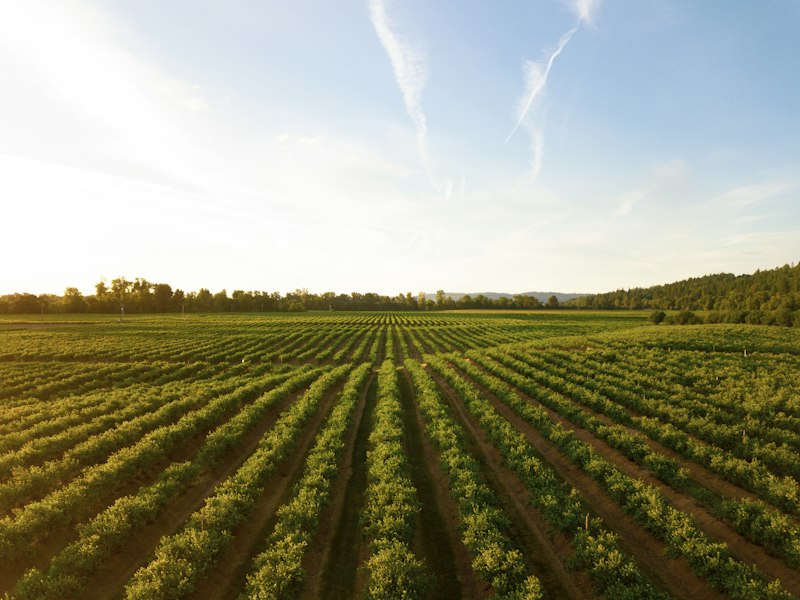
Archaeological evidence from the Shulaveri area in Georgia reveals the world's earliest domesticated grapes dating back to 5000-7000 BC. The oldest known clay wine vessel, discovered on Khrami Didi Gora, dates to the 6th-5th millennia BC, proving Georgia is the true cradle of viticulture.
UNESCO Recognition
On December 4, 2013, the Traditional Georgian Method of Qvevri Winemaking was inscribed on UNESCO's Representative List of Intangible Cultural Heritage of Humanity. This recognition affirmed qvevri as a symbol of the deep cultural roots of Georgian wine and the authenticity of this ancient practice.

Living Heritage
The Vessel
Egg Shape
The unique egg shape allows natural circulation of wine and settling of sediment, creating a self-cleaning system that has worked for millennia.
Underground Burial
Buried in the earth, qvevris maintain a stable temperature year-round, providing ideal conditions for natural fermentation and aging.
Clay Composition
Handcrafted from local clay, the porous vessel allows micro-oxygenation, softening tannins and developing complex flavors naturally.
Beeswax Lining
A thin layer of natural beeswax seals the interior, preventing excessive porosity while preserving the wine's authentic flavors.
The Natural Process
Harvest
Hand-picked indigenous grape varieties, carefully selected at the peak of ripeness. Georgia boasts 527 unique grape varieties, each contributing its own character to the wine.

Crushing
Traditional foot pressing in the Satsnakheli, a large wooden trough. This gentle method crushes the grapes while preserving the integrity of the skins, seeds, and stems.
Fermentation
Wild yeasts from the vineyard air initiate natural fermentation. No additives, no commercial yeasts—just pure nature transforming grape juice into wine. The process typically lasts 3-4 weeks with daily punch-downs.
Aging
White wines age 3-6 months with skin contact, developing their characteristic amber color and tannic structure. Red wines typically age 1-2 months. The sealed qvevri rests underground through winter.
Amber Wine
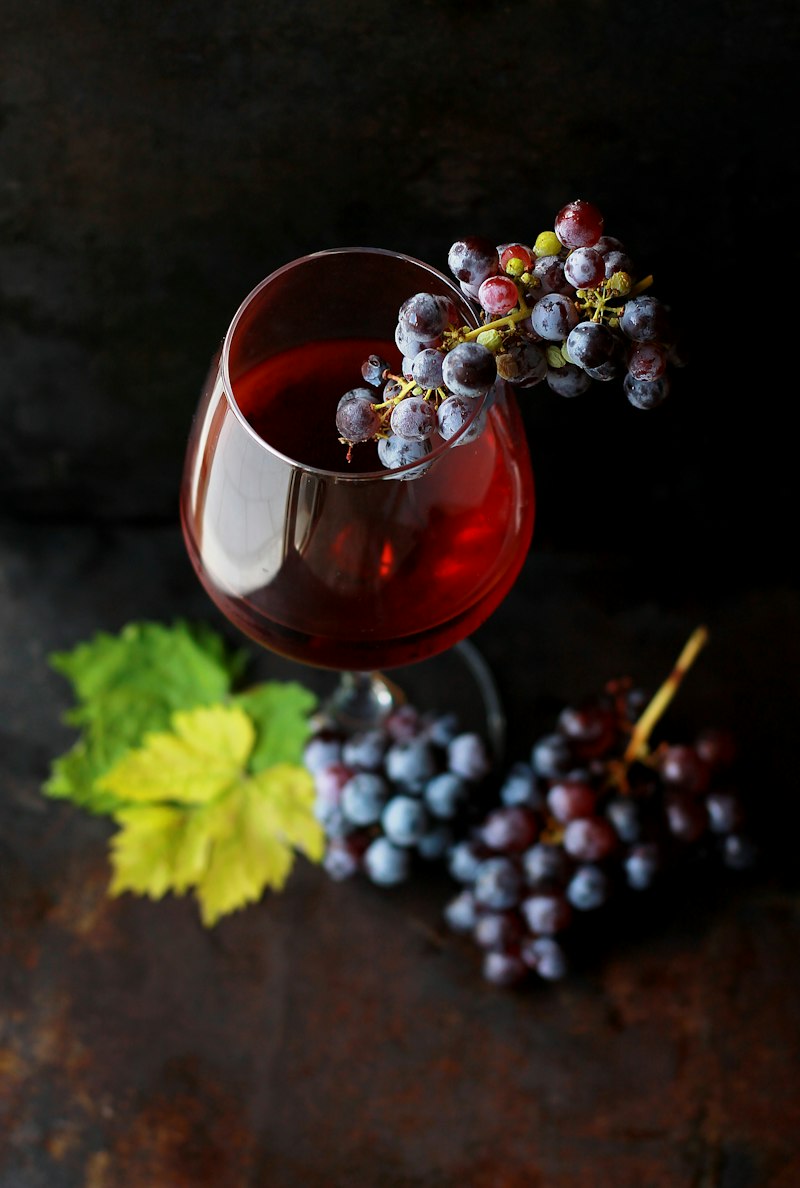
White grapes fermented with their skins, creating a wine that exists in a category of its own—with the structure of red wine and the brightness of white. This ancient method, unique to Georgia, produces wines of extraordinary complexity and depth.
Georgians prefer the term "amber" over "orange" wine, as it more accurately describes the wine's true color—ranging from golden straw to deep tea-colored hues, never truly orange.
Wine Regions
Kakheti
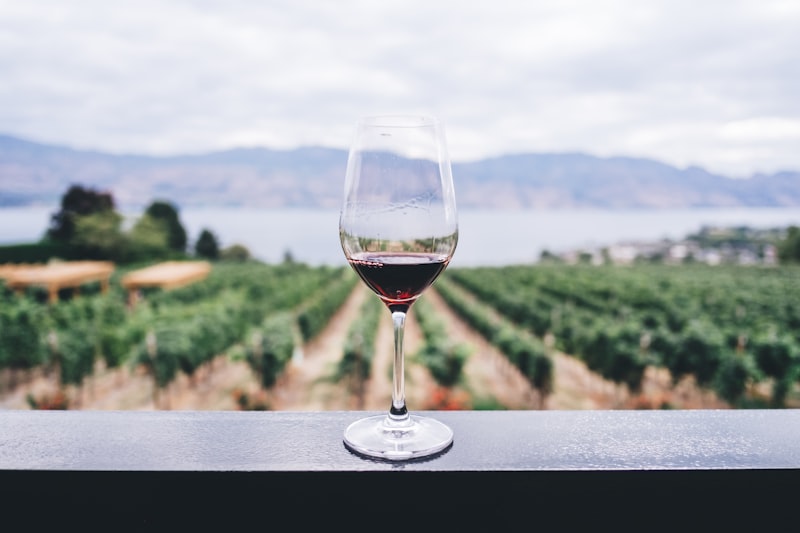
The heartland of Georgian wine, producing 75% of the country's output. Known for full-bodied, tannic wines with long skin contact and remarkable longevity.
Imereti
Closer to the Black Sea, Imereti produces lighter, fresher styles with less skin contact. The wines here are elegant, with bright acidity and delicate aromatics.
Kartli
Located around Tbilisi, Kartli produces delicate wines with subtle aromatics. The region bridges the styles of eastern and western Georgia.