

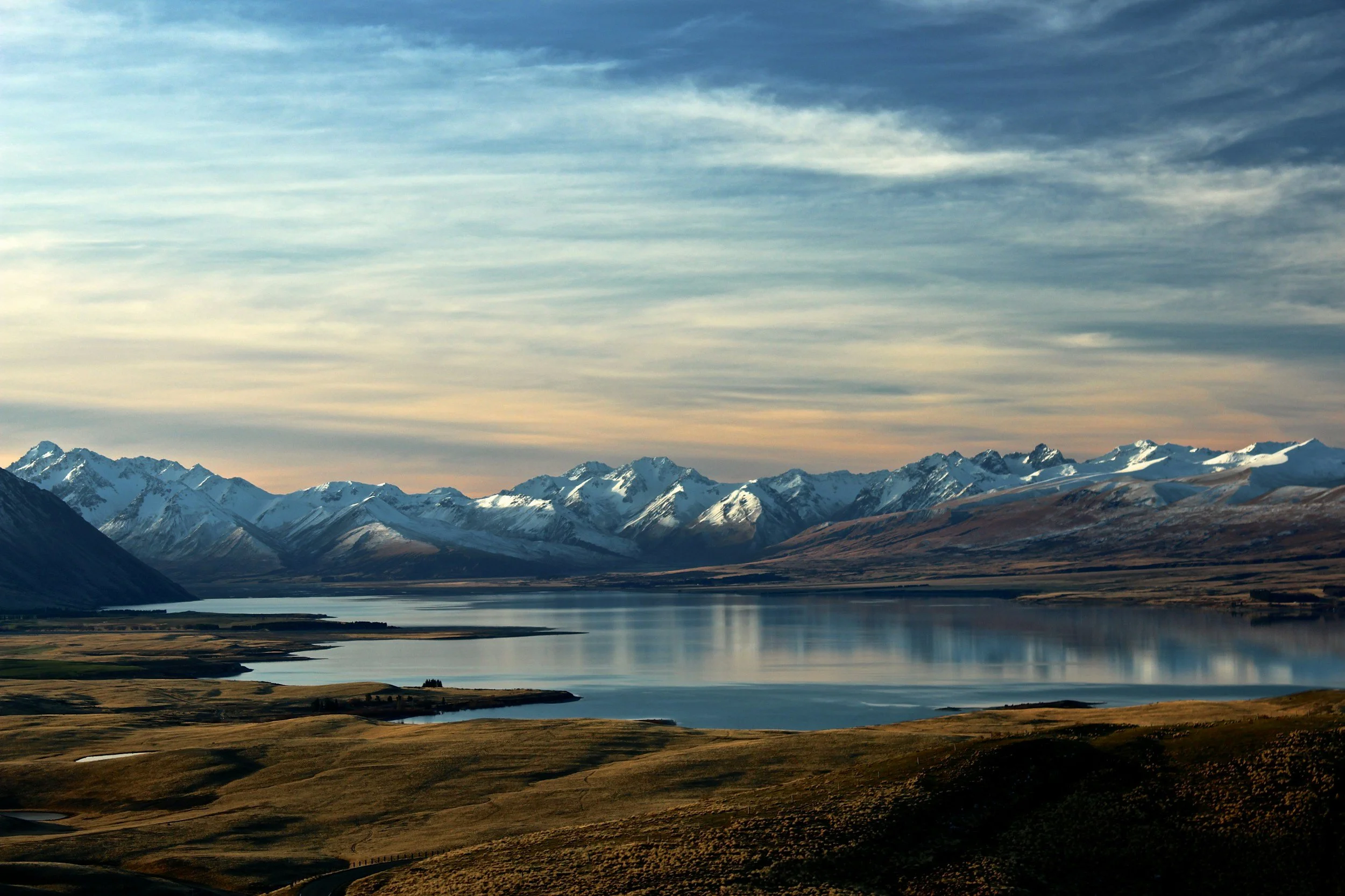
New Zealand
THE CLEAN GREEN REVOLUTION
From the organic vineyards of Marlborough to the biodynamic slopes of Central Otago, discover New Zealand's natural wine awakening—where Sauvignon Blanc meets skin contact and Pinot Noir embraces whole-cluster wildness
Beyond the Sauvignon Standard
When the "clean green" image meets radical winemaking
New Zealand—population five million, isolated by 2,000 kilometers of ocean—has built a wine reputation on shockingly consistent, technologically precise Sauvignon Blanc. The Marlborough style (tropical, grassy, squeaky clean) conquered the world in the 1990s. But beneath the industrial sheen, a radical counter-movement has emerged: winemakers rejecting the laboratory for the vineyard, the stainless tank for the clay amphora, the cultured yeast for the wild ferment.
This guide explores the pioneers of New Zealand natural wine—a young but fierce movement. Alex Craighead (Kindeli) in North Canterbury crafts cloudy, complex "Sasso" blends that have no Marlborough equivalent. Mike and Claudia Weersing (Pyramid Valley, now sold but iconic) proved biodynamic Pinot Noir could rival Burgundy. Anna and Jason Flowerday (Te Whare Ra) make "Orange Sunshine"—skin-contact Sauvignon Blanc that redefines the variety. Amy Farnsworth (Amoise) produces whole-cluster Syrah from Hawke's Bay with zero additions.
What distinguishes NZ natural wine is isolation—the freedom to experiment without the weight of European tradition—and purity—the "100% Pure New Zealand" marketing ethos actually aligns with organic and biodynamic farming. The wines are often shockingly vibrant: electric Sauvignon Blanc with tannin, Pinot Noir that smells of forest floor and wild herbs, Rieslings that age for decades.
Key Facts
- Location: Southwest Pacific, 41-45°S latitude
- History: 200+ years (but commercial since 1970s)
- Key Regions: Marlborough, Central Otago, Hawke's Bay, Waiheke, Canterbury
- Main Grapes: Sauvignon Blanc, Pinot Noir, Chardonnay, Riesling, Syrah
- Method: Organic, biodynamic, wild ferment, amphora
- Style: Vibrant, pure, high acid, experimental
- Notable: Highest percentage of certified sustainable vineyards globally
From Dalmatian Settlers to Biodynamic Pioneers
Two centuries of Kiwi viticulture
Missionary Beginnings
Samuel Marsden, missionary, plants first vines in Kerikeri (Northland). Dalmatian immigrants (Croatians) arrive in late 1800s, planting vines in Northland and West Auckland. They bring traditions of small-scale, family winemaking and underground cellars. By 1900, NZ has small vineyards but focuses on fortified wines (sherry-style) and brandy due to British influence. The "Six O'Clock Swill" culture (pubs closing early) encourages heavy beer drinking; table wine is marginal.
The Modern Dawn
Frank Yukich (Montana) plants in Marlborough (1973), believing the cool climate could rival white Burgundy. The "tropical" Sauvignon Blanc style emerges by accident—wild ferments creating passionfruit aromas that consumers love. By 1980s, Marlborough Sauvignon Blanc becomes NZ's export weapon. Industrial winemaking prevails—temperature control, cultured yeast, sterile filtration. The "clean green" image is born, but the reality is technological intervention.
Pinot Noir & First Organics
Central Otago (southernmost commercial wine region in world) planted to Pinot Noir. First organic certifications appear—Millton Vineyards (James Millton in Gisborne) leads the way, inspired by Burgundy. Biodynamic experiments begin in Hawke's Bay. However, the industry focuses on growth and export markets. The "natural wine" concept barely exists; "organic" means vineyard only, not cellar.
Pyramid Valley & The Awakening
Mike and Claudia Weersing establish Pyramid Valley in North Canterbury (2000), practicing biodynamics and wild fermentation when almost no one else did. Their Pinot Noirs ("Angel Flower," "Lion's Tooth") become cult wines, proving NZ could do "natural" at the highest level. Meanwhile, Marlborough dominates with industrial Sauvignon Blanc. The "natural wine" conversation begins in Auckland and Wellington, but remains marginal.
The Natural Explosion
Alex Craighead establishes Kindeli (2014) in Nelson, making "Sasso" blends with zero sulfur, cloudy, unfined—shocking to NZ palates. Te Whare Ra (Marlborough) converts to biodynamic and starts skin-contact Sauvignon Blanc. Dorothy (Jared and Nicole) starts in Martinborough. Natural wine bars open in Auckland (Coco's Cantina, Freeman & Grey) and Wellington (Noble Rot). The "Orange Wine" trend hits NZ hard—Sauvignon Blanc with skin contact becomes signature.
Mainstream Resistance & Growth
NZ natural wine gains international recognition (Kindeli exports to Europe, Pyramid Valley cult status). Division emerges—traditionalists attack natural wine as "faulty" and damaging to NZ's clean image. Younger drinkers embrace it. New producers: Amoise (Amy Farnsworth), Winemaker's Daughter (Emma Cooper), Pōkeno Natural Wine Company. The "NZ Natural Wine Festival" begins (Auckland). Despite this, natural wine remains <1% of production in a country focused on Sauvignon Blanc volume.
Marlborough to Central Otago
Extreme latitudes and volcanic soils
🌿 Marlborough
North-east South Island, Wairau and Awatere Valleys. NZ's largest wine region (24,000 hectares). Cool climate, high sunshine hours, free-draining alluvial soils (stones/washed gravel). Famous for Sauvignon Blanc (grassy, tropical, high acid). Natural winemakers here challenge the industrial standard—Te Whare Ra (biodynamic), Hunters (organic), and newer skin-contact specialists. The "terroir" is often considered too homogeneous, but natural winemakers find distinct sites (Wairau Valley vs. Awatere). High UV due to ozone hole creates thick grape skins—perfect for orange wine.
⛰️ Central Otago
Southernmost commercial wine region (45°S), continental climate (hot days, cold nights), schist soils. Pinot Noir is king—Bannockburn, Cromwell, Gibbston sub-regions. Natural winemakers: Burn Cottage (biodynamic), Pyramid Valley (North Canterbury border), Two Paddocks (Sam Neill's property). The extreme diurnal shift creates high acid and phenolic ripeness simultaneously. Schist gives mineral, smoky notes to Pinot. Very dry climate (300mm rain) requires irrigation, challenging natural wine "dry farming" ideals, but some old vines are dry-farmed.
🌊 Hawke's Bay
East Coast North Island, maritime climate, diverse soils (limestone, gravel, clay). NZ's oldest wine region (1851). Red wine territory—Syrah, Cabernet, Merlot, plus Chardonnay. Amy Farnsworth (Amoise) makes natural Syrah here. limestone hills (Gimblett Gravels) prized for structure. Warmer than Marlborough, allowing Mediterranean varieties. The "Bridge Pa" triangle has red metal soils (iron-rich). Natural winemakers focus on Syrah with whole clusters and Chardonnay with skin contact.
🌲 Nelson & North Canterbury
Top of South Island (Nelson) and just south (Canterbury). Nelson: highest sunshine hours in NZ, sheltered by mountains. Alex Craighead (Kindeli) works here, making "Sasso" blends from multiple sites. North Canterbury: Pyramid Valley's home, Waipara Valley limestone. Cool climate, perfect for Riesling and Pinot Noir. The "natural wine corridor" of NZ—highest concentration of biodynamic and natural producers. Limestone soils give salinity and freshness.
🏝️ Waiheke Island
Island in Hauraki Gulf (40 min ferry from Auckland). Warm, maritime, hilly. Bordeaux blends and Syrah historically, but natural winemakers like Kennedy Point (organic) and newer small producers. The island has a "boutique" reputation—expensive real estate, small vineyards. Volcanic and clay soils. Natural wine scene is nascent but growing, focused on weekend tourism from Auckland.
🌾 Martinborough & Wairarapa
Southern North Island (1.5 hours from Wellington). Cool, windy, dry. Pinot Noir and Pinot Gris. Dry River (historically natural-leaning), Ata Rangi (biodynamic). Martinborough terrace (alluvial gravel) is prized. The "Dorothy" winery (Jared and Nicole) makes natural Pinot here. Close to Wellington's natural wine bars (logical distribution). High wind (Ruamahanga) reduces disease pressure, allowing organic farming.
Regional Natural Wine Character
| Region | Climate | Soil | Natural Wine Character |
|---|---|---|---|
| Marlborough | Cool, sunny | Alluvial gravel | Skin-contact Sauv Blanc, electric acid |
| Central Otago | Continental, extreme | Schist | Whole-cluster Pinot, smoky mineral |
| Hawke's Bay | Warm, maritime | Limestone, gravel | Whole-cluster Syrah, skin Chard |
| Nelson/Canterbury | Cool, sunny | Clay, limestone | Field blends, zero sulfur |
| Wairarapa | Cool, windy | Alluvial gravel | Elegant Pinot, whole bunch |
The Featured Producers
The vanguard of Kiwi natural wine
Nelson & Canterbury – The Natural Heart
Marlborough – Challenging the Sauv Blanc Empire
Hawke's Bay, Otago & Martinborough
The Grapes of Aotearoa
Sauvignon Blanc reimagined and Pinot Noir unleashed
Sauvignon Blanc
NZ's signature grape (75% of plantings), but natural winemakers treat it completely differently. Instead of early picking, temperature control, and cultured yeast (creating the "cat's pee on gooseberry bush" style), natural winemakers let it ripen longer, ferment wild in old oak or amphora, and often use skin contact (orange wine). The result is unrecognizable from standard Marlborough Sauv: waxy, honeyed, tannic, with notes of curry, wild herbs, and stone fruit. Kindeli and Te Whare Ra lead the revolution. The thick skins (due to high UV in NZ) make it perfect for skin-contact wine. Can age 5-10 years in natural versions vs. 1 year for industrial.
- Style: High acid, aromatic, tropical (industrial) vs. waxy/tannic (natural)
- Natural Wine Role: Skin contact (orange), wild ferment, old oak
- Top Producers: Kindeli, Te Whare Ra, Hunters
- Regions: Marlborough, Nelson
- Notable: 75% of NZ vines, but <1% natural
Pinot Noir
Central Otago and Martinborough are the spiritual homes. Natural winemakers embrace whole-cluster fermentation (stems included), wild yeast, and no filtration—creating Pinot that is earthy, spicy, and transparent rather than fruity and dense. Pyramid Valley set the standard; Dorothy and Burn Cottage continue it. The schist soils of Otago give mineral, smoky notes; the alluvial gravels of Martinborough give elegance and red fruit. Natural NZ Pinot often has a "savage" quality—feral, forest floor, wild herbs. Can age beautifully (10-20 years for best examples).
- Style: Earthy, spicy, whole-cluster vs. fruity/tannic (industrial)
- Natural Wine Role: Whole bunch, wild ferment, long maceration
- Top Producers: Pyramid Valley, Dorothy, Burn Cottage
- Regions: Central Otago, Martinborough, Canterbury
- Notable: "Savage" quality unique to NZ natural
Riesling
Thrives in the cool South Island (Nelson, Central Otago, Waipara). Natural winemakers allow some botrytis (noble rot) and wild fermentation, creating dry Rieslings with petrol notes, honey, and lime. Pyramid Valley and Kindeli make age-worthy versions. Often co-fermented with other aromatics (Gewurztraminer) in field blends. The high acid and natural sugar balance make it perfect for pét-nat. NZ Riesling is undervalued internationally but prized by natural wine enthusiasts for its purity and longevity.
- Style: High acid, petrol, lime, honey
- Natural Wine Role: Dry styles, pét-nat, field blends
- Top Producers: Pyramid Valley, Kindeli
- Regions: Nelson, Otago, Waipara
- Notable: Ages 20+ years in best examples
More New Zealand Varieties
Chardonnay: Gisborne and Hawke's Bay historically, but natural winemakers (Dorothy, Winemaker's Daughter) use skin contact and amphora, creating orange/brown wines with texture.
Pinot Gris: Often made as "Ramato" (skin-contact) by natural winemakers—Kindeli's "Gris" is amber, tannic, completely different from standard NZ Pinot Gris.
Gewurztraminer: Planted by Dalmatian settlers, now used in field blends (Te Whare Ra's "Toru") or skin-contact wines. Aromatic, spicy, lychee.
Syrah: Hawke's Bay specialty. Natural winemakers (Amoise) use whole clusters, creating Northern Rhône-style peppery, smoky wines rather than the fruity "Shiraz" style.
Chenin Blanc: Rare in NZ, but Amy Farnsworth (Amoise) champions it—skin contact, waxy, honeyed.
Grüner Veltliner: Burn Cottage grows it in Central Otago—unusual, peppery, natural versions have distinct white pepper notes.
Food Pairing & Kiwi Cuisine
From the Pacific to the plate
For Skin-Contact Sauvignon
- Crayfish (lobster): From Kaikoura, simply grilled
- Paua: Abalone, often in fritters or sashimi
- Kawakawa: Native herb used in cooking
- Fish and chips: With lemon and malt vinegar
- Pork belly: With apple cider reduction
For Whole-Cluster Pinot
- Venison: NZ red deer, often farmed
- Lamb: Canterbury lamb with rosemary
- Possum: Yes, it's eaten (slow-cooked)
- Mushrooms: Pine mushrooms (Saffron Milk Caps)
- Pinot & salmon: Central Otago salmon
For Natural Riesling & Pét-Nat
- Oysters: Bluff oysters (Southland)
- Green-lipped mussels: Steamed with garlic
- Fish tacos: Auckland food truck style
- Sushi: NZ has excellent Japanese food
- Pavlova: The national dessert (controversially)
For Natural Syrah
- Wild pork: Often hunted, slow-roasted
- Beef: Grass-fed NZ beef, rare
- Kumara: Sweet potato, roasted
- Pumpkin: Butternut soup or roasted
- Manuka honey: Glaze for meats
New Zealand Wine Traditions
BYO: "Bring Your Own" bottle restaurants are common in NZ (especially Wellington). Natural wine lovers bring Kindeli or Pyramid Valley to ethnic restaurants (Thai, Indian, Malaysian).
The Wine Shop: Wellington's "Wine Freedom" and Auckland's "Glengarry" have natural sections. But most natural wine is sold direct from cellar door or via subscription.
Cellar Doors: NZ wineries are required to have tasting rooms. Natural wineries (Kindeli, Te Whare Ra) offer intimate, unpretentious tastings—often standing up, with the winemaker pouring.
Sustainability: NZ Winegrowers promotes "Sustainable Winegrowing" (SWNZ), but natural winemakers criticize it as greenwashing. True natural wine is beyond organic—no certification needed, just principles.
The Flat White & Wine: Wellington is coffee-obsessed, but natural wine bars (Noble Rot, Hanging Ditch) bridge the gap—open early for coffee, late for wine.
Marlborough Sounds: Boat trips with wine. You can kayak to wineries (actually, you can't, but you can boat). The "Queen Charlotte Track" has wine stops.
Visiting Natural Aotearoa
From Marlborough to Central Otago
🌿 Marlborough & Nelson
Fly to Blenheim (Marlborough). Te Whare Ra (Renwick—biodynamic tasting). Hunter's (Wild Sauvignon). Drive to Nelson (1.5 hours): Kindeli (Alex Craighead—appointment essential). Abel Tasman National Park (hiking/kayaking). Winemaker's Daughter (Waipara, between Nelson and Christchurch). This is the "natural wine corridor"—highest concentration.
⛰️ Central Otago
Fly to Queenstown (adventure capital). Pyramid Valley (North Canterbury, 3 hours north, or fly to Christchurch). Burn Cottage (Cromwell). Two Paddocks (Alexandra). Queenstown (Fergburger, bars). Wanaka (alternative to Queenstown). Gibbston Valley (bungee jumping and wine). Very touristy but stunning scenery (Lord of the Rings locations).
🌊 Wellington & Hawke's Bay
Fly to Wellington (windy capital). Noble Rot (natural wine bar). Hanging Ditch (natural wine bar). Dorothy (Martinborough, 1.5 hours drive). Hawke's Bay (fly or drive 4 hours): Amoise (Amy Farnsworth—Bridge Pa). Craggy Range (for contrast). Te Mata Peak (views). Wellington is the culinary capital—BYO restaurants perfect for natural wine.
14-Day Natural Wine Itinerary
Day 1 - Auckland: Arrive. Coco's Cantina (K Rd, natural wine). Overnight Auckland.
Day 2 - Waiheke Island: Ferry to island. Kennedy Point (organic). Beach time. Return Auckland. Overnight Auckland.
Day 3 - Fly to Nelson: Kindeli tasting with Alex Craighead. Explore Nelson township. Overnight Nelson.
Day 4 - Marlborough: Drive to Blenheim (2 hours). Te Whare Ra tasting. Overnight Blenheim.
Day 5 - Marlborough: Hunter's (Wild Sauvignon). Wine Freedom (Wellington wine shop). Drive to Kaikoura (whale watching). Overnight Kaikoura.
Day 6 - Christchurch: Drive to Christchurch (3 hours). Explore rebuild. Overnight Christchurch.
Day 7 - North Canterbury: Winemaker's Daughter (Emma Cooper). Pyramid Valley (tasting). Overnight Christchurch or Waipara.
Day 8 - Fly to Queenstown: Arrive Queenstown. Fergburger. Overnight Queenstown.
Day 9 - Central Otago: Burn Cottage (biodynamic tour). Two Paddocks. Overnight Cromwell or Queenstown.
Day 10 - Queenstown: Adventure day (hiking, bungee, or just wine). Overnight Queenstown.
Day 11 - Fly to Wellington: Arrive Wellington. Noble Rot (natural wine bar). Overnight Wellington.
Day 12 - Martinborough: Drive to Martinborough (1.5 hours). Dorothy tasting. Lunch in village. Return Wellington. Overnight Wellington.
Day 13 - Hawke's Bay: Fly or drive to Napier/Hastings. Amoise (Amy Farnsworth). Art Deco architecture (Napier). Overnight Napier.
Day 14 - Return: Fly Napier-Auckland or Napier-Wellington for departure.