

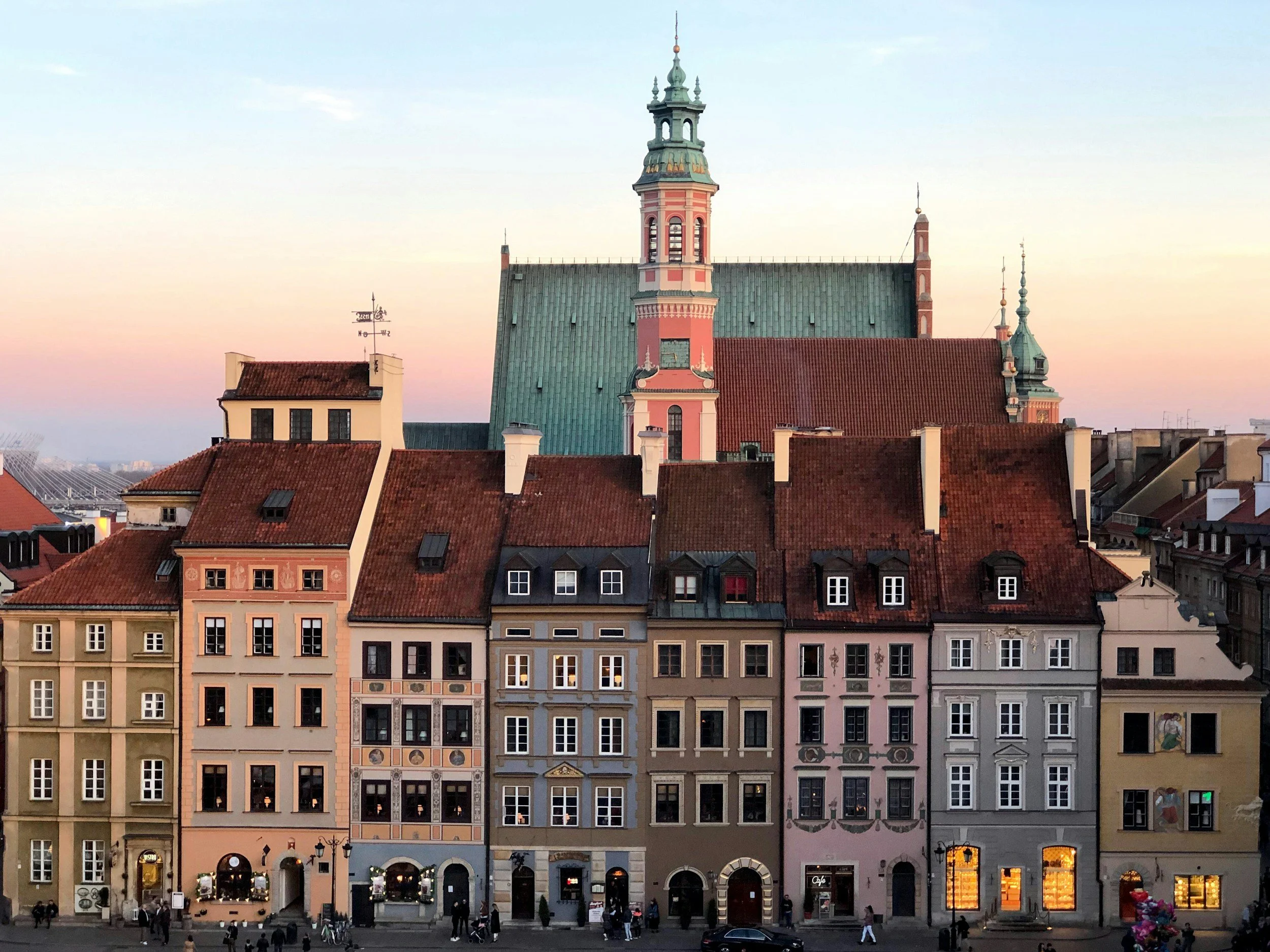
Poland.
THE POST-INDUSTRIAL REVIVAL
From the amber coast of Pomerania to the industrial valleys of Silesia, discover Poland's radical natural wine revolution—where the new generation crafts soulful wines from Solaris, Rondo, and forgotten vineyards on the 52nd parallel
Viticulture at the Limit
Where vodka culture meets natural wine anarchy
Poland stands at the extreme northern limit of European viticulture—far beyond the 50th parallel where winegrowing was thought impossible. Yet here, in the post-communist landscape of former industrial cities and Baltic coastlines, a radical natural wine movement has emerged with startling speed and singular character.
This guide explores the pioneers of Polish natural wine—visionaries working in climates where winter temperatures plummet to -25°C and the growing season is a frantic 180-day sprint. Jura Petrini in Pomerania crafts amber wines from Solaris in cellars overlooking the Baltic. The Silesian Project (Winnica Jura) operates an urban winery in a former coal-mining facility in Katowice. Winnica Silesia proves that Rondo can survive Polish winters without chemicals.
What defines Polish natural wine is resilience—the embrace of hybrid grapes (Solaris, Rondo, Regent, Johanniter) bred for cold climates, the repurposing of industrial spaces for urban wineries, and a punk/DIY ethos born from decades of communist suppression and vodka monoculture. These wines—often cloudy, cidery, and electric with acidity—represent a Poland that is young, defiant, and unexpectedly vibrant.
Key Facts
- Location: Central Europe, 52°N latitude (one of world's northernmost)
- History: Medieval monastic tradition destroyed, modern revival post-1989
- Key Regions: Pomerania (Pomorskie), Lower Silesia, Lesser Poland, Lubusz
- Main Grapes: Solaris, Rondo, Regent, Pinot Noir, Johanniter, Seyval
- Method: Organic, biodynamic, zero sulfur, urban wineries
- Style: High acid, low alcohol, cloudy, experimental
- Notable: Fastest growing wine scene in Eastern Europe
From Monks to Coal Mines
A thousand years of interrupted history
Medieval Monastic Viticulture
Cistercian and Benedictine monks establish vineyards in Silesia, Lesser Poland, and along the Oder River. The Piast and Jagiellonian dynasties import wine from Hungary and the Rhine, but also cultivate local vines around Krakow and Wrocław. The "Winnica" (vineyard) appears in documents from 1214 near Zielona Góra. Polish mead (miód pitny) dominates, but wine exists for the nobility and church.
Partitions & Phylloxera
Poland partitioned between Russia, Prussia, and Austria. The Prussian-controlled regions (Silesia, Pomerania) see Germanic wine influence. Phylloxera reaches Silesian vineyards in the 1890s, destroying most plantings. The rise of industrialization and grain vodka (rectified spirit) pushes wine to the margins. By 1900, Polish wine production is negligible except in the German-influenced west (Zielona Góra/Gruenberg).
Communist Erasure
Post-WWII communist (PRL) government focuses on industrial alcohol and vodka production. Wine viewed as bourgeois; vineyards nationalized or abandoned. The state produces only sweet, fortified "wino" from imported concentrates. Any quality wine culture is extinguished. A few state farms in Zielona Góra maintain vineyards for "Federweißer" (young wine), but natural wine is unheard of. The generation grows up knowing only vodka and beer.
The Transition
Fall of communism allows private enterprise. First private wineries established in Zielona Góra and Kaszuby (Pomerania). Focus on fruit wines and early hybrids. EU accession negotiations (culminating in 2004) force modernization of alcohol laws. Young Poles travel to France, Italy, Georgia, and return with natural wine knowledge. First "natural" experiments begin around 2000 in Silesia.
EU Era & Hybrid Revolution
EU accession brings funding and legal framework. Polish viticulture expands from 1,000 to 3,000+ hectares. Focus on PIWI (fungus-resistant) hybrid varieties—Solaris (white), Rondo (red), Regent, Johanniter—allowing organic farming in wet, cold climate. Jura Petrini establishes natural winery in Pomerania (2008). Silesian Project begins in Katowice (2012). Natural wine bars open in Warsaw (Wrzenie Świata) and Krakow.
The Explosion
Poland has 3,500+ hectares and 300+ commercial wineries. Natural wine scene explodes in urban centers—Warsaw, Krakow, Wrocław, Gdansk, Poznań. Young winemakers reject international varieties for Solaris and Rondo. "Orange wine" (amber) becomes signature style—Solaris with skin contact creates cidery, tannic whites. Post-industrial wineries (in former factories, mines, shipyards) define the aesthetic. Polish natural wine featured in Paris, Berlin, and London. The scene is youthful, political, and anti-establishment—positioning natural wine against Poland's conservative vodka culture.
Pomerania, Silesia & the Vistula
Extreme terroirs at the Baltic and Beskids
🌊 Pomerania (Pomorskie)
Baltic Sea coast (Gdansk, Sopot, Kartuzy). Poland's newest wine frontier. Maritime climate moderated by the sea, but still extreme (52°N). Glacial soils—sand, gravel, clay. Home to Jura Petrini and the "Tricity" natural wine scene. Solaris and Rondo thrive in the cool summers. High humidity requires fungus-resistant (PIWI) varieties. The "Kashubian Lake District" offers picturesque rolling hills. Post-industrial shipyard spaces converted to wineries in Gdansk. Very short growing season (May-September) but long summer days (18 hours sunlight).
⛰️ Lower Silesia (Dolny Śląsk)
Sudeten foothills (Jelenia Góra, Świdnica, Wałbrzych). Post-industrial coal mining region reinventing itself. Continental climate with harsh winters (-20°C common). Jura limestone soils in some areas (hence "Jura" in winery names). Winnica Silesia and Silesian Project work here. Urban wineries in Katowice and Wrocław—wine made in former factories, warehouses, and mine shafts. Focus on Rondo and Regent (winter-hardy reds). The "Silesian Vineyard Trail" connects post-industrial wineries.
🏰 Lesser Poland (Małopolska)
Krakow and the Vistula River valley. Historical heart of Polish wine (medieval monastic vineyards). Continental climate, loess and limestone soils. Beskid Mountains create rain shadow. Krakow's natural wine bars (Kazimierz district) drive demand. Wineries near Tarnów and Nowy Sącz. Pinot Noir and Solaris work well. The "Vistula Wine Route" developing. Less industrial than Silesia, more "rural natural"—farmhouse wineries with small production.
🌾 Lubusz (Lubuskie)
Historical wine region on German border (Zielona Góra). Only area with continuous (though interrupted) wine tradition. "Zielona Góra" literally means "Green Mountain"—historically covered in vines. Post-glacial sandy and loamy soils. Continental but moderated by Oder River. More German influence in winemaking. Some oldest vines in Poland here (post-war plantings). Less "natural" scene, more traditional, but emerging producers experimenting with zero sulfur.
🏙️ Mazovia (Mazowsze)
Warsaw and surrounding region. Very cold, marginal climate for vines. Urban wineries in Warsaw's Praga district (post-industrial spaces). Focus on shortest-cycle hybrids and experimental greenhouse/indoor viticulture. Represents the avant-garde of Polish wine—impossible conditions accepted as challenge. Warsaw's natural wine bars (Wrzenie Świata, Syrena) are the cultural heart of the scene.
❄️ Climate Reality
Poland's defining feature is winter mortality. Temperatures regularly hit -25°C, killing Vitis vinifera (European wine grapes). This necessitates either: (1) Hybrid varieties (Solaris, Rondo, Regent) bred for -30°C survival, or (2) Extreme burying of vines (hilling soil over canes). Natural winemakers prefer hybrids—better disease resistance allows organic farming without copper/sulfur. The short growing season (180 days) creates high acidity and low alcohol (10-11.5% typical)—perfect for natural wine's "easy drinking" aesthetic.
Regional Character
| Region | Climate | Soil | Natural Wine Character |
|---|---|---|---|
| Pomerania | Maritime/Baltic | Glacial sand, clay | Saline, cidery, Solaris orange |
| Lower Silesia | Continental, harsh | Loess, limestone, coal slag | Mineral, iron, industrial-chic |
| Lesser Poland | Continental, loess | Loess, limestone | Elegant, floral, Pinot-focused |
| Lubusz | Continental, river | Sand, loam | Traditional, evolving |
| Mazovia | Extreme continental | Clay, alluvial | Experimental, urban, radical |
The Polish Natural Vanguard
Post-industrial pioneers and Baltic buccaneers
Pomerania – The Baltic Wave
Silesia – The Industrial Rebels
Lesser Poland & Mazovia – The New Guard
The Grapes of the North
Hybrid varieties and cold-climate survivalists
Solaris
Created in Germany in 1975 (Merzling x Gm 6493) but perfected in Poland. The most important grape in Polish natural wine. Early ripening (crucial for short seasons), fungus-resistant (no sprays needed), survives -30°C winters. Thick skins perfect for orange/amber wines. High acidity (9-10g/L), moderate sugar (18-20°Bx). Natural winemakers love it because it ferments wildly without added yeast, and the skins provide tannin structure rare in cool climates. Jura Petrini's qvevri-aged Solaris is the benchmark—notes of quince, sea salt, walnut, and tea.
- Style: High acid, aromatic, tannic when skin-contact
- Natural Wine Role: Orange/amber wine, pét-nat, qvevri
- Top Producers: Jura Petrini, Silesian Project, Nowak
- Regions: Pomerania, Silesia, Mazovia
- Notable: Fungus-resistant = organic by default
Rondo
Developed in Czech Republic (Zweigelt x unspecified). Deep color (almost inky), early ripening, winter-hardy to -25°C. Resistant to downy mildew. Makes light to medium-bodied reds with notes of sour cherry, blackcurrant, and iron. Polish natural winemakers use carbonic maceration (Silesian Project) to make it fruity and chillable, or traditional maceration for structure. Can develop reductive notes (rubber/smoke) that natural winemakers embrace as "terroir." Also used for pét-nat rosé (very successful). The "house red" of Polish natural wine bars.
- Style: Light to medium, sour cherry, iron, pepper
- Natural Wine Role: Carbonic, pét-nat, light red
- Top Producers: Silesian Project, Winnica Silesia, Roszak
- Regions: Silesia, Lubusz, Pomerania
- Notable: Deep color despite light body
Johanniter
Created in Germany 1968 (Riesling x Seyve Villard). More aromatic than Solaris—Riesling-like with petrol potential. Later ripening, so risky in cold vintages, but valued for complexity. Polish natural winemakers use it for pét-nat (bubbly, aromatic) and light skin-contact wines. Notes of green apple, jasmine, and petroleum (when aged). Tomasz Czapliński (Mòr Vin) makes "Johanniter Pet-Nat" that tastes like "Baltic Sea breeze"—salty, floral, slightly funky. Less tannic than Solaris, more about purity and aromatics.
- Style: Aromatic, floral, Riesling-like
- Natural Wine Role: Pét-nat, light white, aromatic focus
- Top Producers: Mòr Vin, Kowalski
- Regions: Pomerania, coastal areas
- Notable: Petrol notes with age
More Polish Varieties
Regent: Dark-skinned hybrid (Chambourcin x Diana) for full-bodied reds. Chocophilic (chocolate notes). Used by Silesian Project for "Post-Miner" reserve.
Seyval Blanc: French hybrid allowed in EU wines. Crisp, citrusy, neutral. Used for blending or light whites. Sitarz makes unfiltered version in Wrocław.
Pinot Noir: Barely survives Polish winters (requires extreme burying), but Nowak and Roszak experiment with natural methods—whole cluster, carbonic, creating light, spicy reds.
Johanniter (red): Mutation or cross used by some Polish growers for pink/light red wines—rare but interesting.
Bianca: White hybrid (Bouvier x Eger 2) for sweet wines, but natural winemakers use it for dry, aromatic styles with skin contact.
Monarch: Red hybrid (Zweigelt x unknown) for dark, tannic wines. Used by Jura Petrini for "Dark Amber" (extended maceration red).
Food Pairing & Polish Cuisine
Pierogi, kielbasa, and natural wine
For Solaris Orange Wine
- Pierogi ruskie: Potato and cheese dumplings with onion
- Kiszonki: Fermented vegetables (cabbage, carrots, beets)
- Śledzie: Pickled herring with onions and oil
- Oscypek: Smoked sheep cheese (Tatra mountains)
- Bigos: Hunter's stew (when orange wine is chilled)
For Rondo & Light Reds
- Kiełbasa: Polish sausage (smoked or fresh)
- Szynka: Polish ham, especially Podhale style
- Kaszanka: Blood sausage with buckwheat
- Gołąbki: Stuffed cabbage rolls
- Mielone: Polish meatballs with dill
For Pét-Nat & Fizzy
- Zapiekanki: Open-faced toasted sandwiches (late night)
- Placki ziemniaczane: Potato pancakes with sour cream
- Tatar: Beef tartare (traditional starter)
- Smalec: Rendered lard with bread
- Pickles: Ogórki kiszone (fermented cucumbers)
For Heavy Winter Reds
- Bigos: Hunter's stew with cabbage and meat
- Dziczyzna: Game meats (venison, boar)
- Golonka: Pork knuckle with horseradish
- Żurek: Sour rye soup with sausage
- Aged cheeses: Twaróg, Bryndza, aged Oscypek
Polish Natural Wine Traditions
Wino grzane: Mulled wine (traditionally made with cheap wine and spices). Natural wine bars now make "natural grzane" with high-quality orange wine and organic spices.
Nalewki: Traditional infusions (honey, herbs, fruit). Some natural winemakers (like Nowak) blur lines between wine and nalewka, adding honey or herbs during fermentation.
Miód pitny: Polish mead (honey wine). Pre-dates grape wine in Poland. Natural winemakers often produce both, and some "co-ferment" honey with Solaris grapes.
Kiszonki pairing: The Polish tradition of fermented vegetables (kiszonki) pairs perfectly with natural wine's acidity and funk. The "sour" culture of Poland meets "sour" natural wine.
Warsaw Wine Bars: Wrzenie Świata ("World Boiling") is the epicenter—serving only Polish and Eastern European natural wine. Syrena in Biała Podlaska. Kiosk in Wrocław. These are cultural hubs as much as wine bars—anti-establishment, young, political.
Visiting the Polish Natural Scene
From Baltic beaches to coal mine cellars
🌊 Pomerania & Gdansk
Base in Gdansk (Old Town). Jura Petrini: Visit qvevri cellar in Kartuzy (1 hour from Gdansk). Winnica Kowalski: Urban winery in Orunia (tram from center). Mòr Vin: Sopot (20 min train) for pét-nat tastings. Explore Kashubian Lake District (Wdzydze Landscape Park). Gdynia modernist architecture. Wrzenie Świata bar in Gdansk (if open). Combine with Baltic beaches (Sopot, Hel Peninsula). Best in summer (July-August) when Solaris ripens.
⛰️ Silesia & Wrocław
Base in Wrocław (Poland's wine capital). Silesian Project: Tour coal mine "Szyb Krystyna" in Katowice (1.5 hours by train—requires booking). Maciej Sitarz (Naturalna Winnica): Tasting in Nadodrze district. Krakow (2 hours) for Bartosz Roszak (Kazimierz district). Jelenia Góra (2 hours west) for Winnica Silesia. See Książ Castle and Palace in Kamieniec Ząbkowicki. Industrial heritage tourism (coal mines, factories). Christmas markets (if winter) with mulled natural wine.
🏰 Warsaw & Krakow
Warsaw: Wrzenie Świata (must-visit natural wine bar—only Polish/Eastern European naturals). Aleksandra Wiśniewska (Warsaw Wine Project)—by appointment. Praga Północ district (street art, post-industrial). Krakow: Kazimierz (Jewish Quarter) for wine bars and Roszak cellar. Wieliczka Salt Mine (nearby). Zakopane (2 hours south) for Oscypek cheese and mountain views. Combine both cities (3 hours by train).
8-Day Polish Natural Wine Itinerary
Day 1 - Gdansk: Arrive. Old Town walking tour. Dinner at Winne Grono (natural wine bistro). Overnight Gdansk.
Day 2 - Pomerania: Drive to Jura Petrini (Kartuzy). Qvevri cellar tour and Solaris tasting. Afternoon at Wdzydze Lakes. Overnight Gdansk.
Day 3 - Sopot & Gdynia: Mòr Vin tasting in Sopot. Beach time. Modernist architecture in Gdynia. Train to Wrocław (5 hours) or fly. Overnight Wrocław.
Day 4 - Wrocław: City tour (Market Square, Ostrow Tumski). Maciej Sitarz tasting (Naturalna Winnica). Kiosk Wine Bar in evening. Overnight Wrocław.
Day 5 - Silesia: Drive/train to Katowice (1.5 hours). Silesian Project coal mine tour and tasting (book ahead). Nikiszowiec (historic miners' district). Return Wrocław or overnight Katowice.
Day 6 - Krakow: Train to Krakow (2.5 hours). Old Town and Kazimierz (Jewish Quarter). Bartosz Roszak cellar visit. Dinner at Żądło (natural wine restaurant). Overnight Krakow.
Day 7 - Warsaw: Train to Warsaw (2.5 hours). Praga district (alternative culture). Wrzenie Świata (essential natural wine bar). Aleksandra Wiśniewska tasting if arranged. Overnight Warsaw.
Day 8 - Warsaw: Wilanów Palace or Łazienki Park. Final shopping. Departure from Warsaw (WAW) or train back to Gdansk/Krakow.