

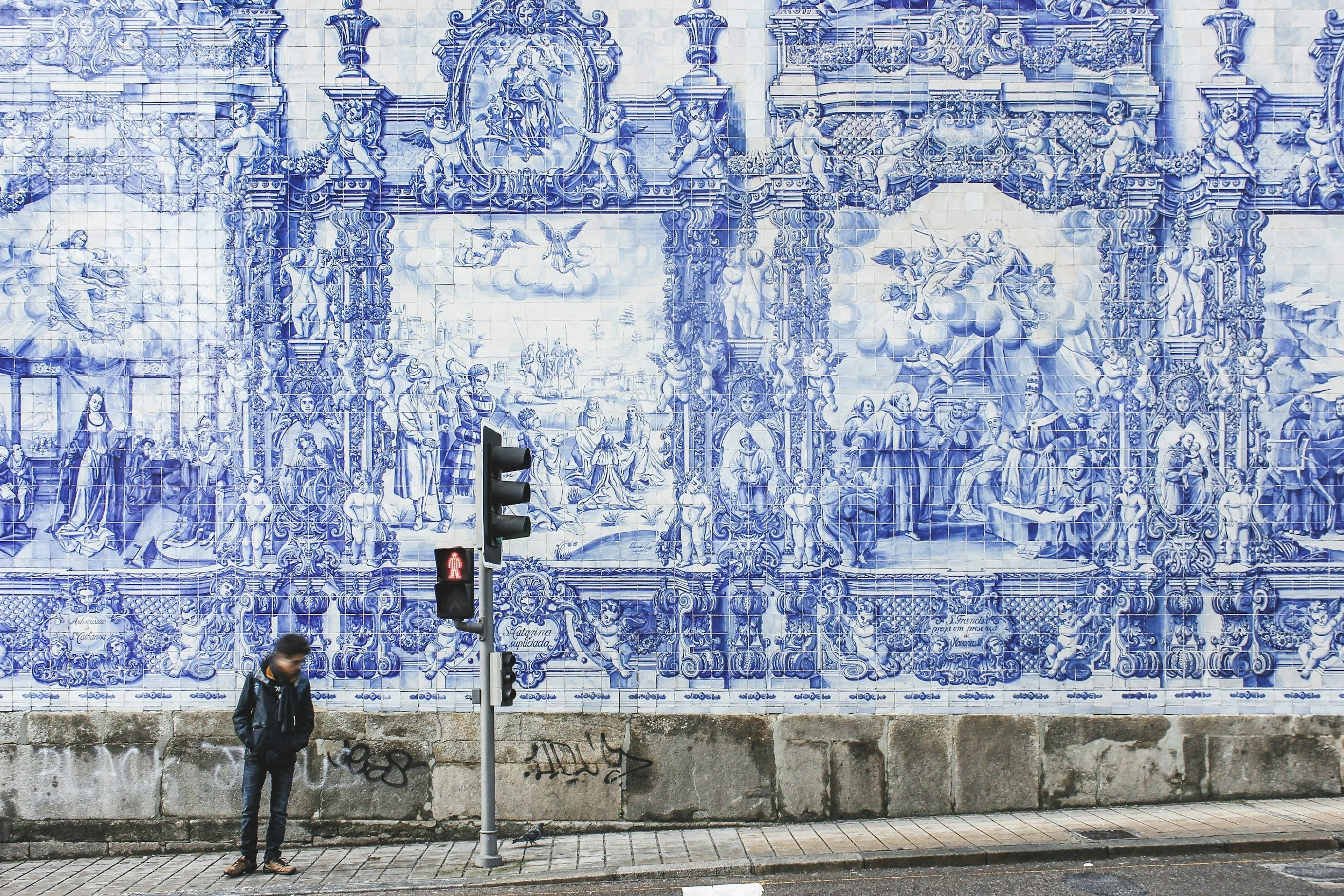
Portugal
ATLANTIC SOUL & AMPHORA HERITAGE
From the schist slopes of the Douro to the talha traditions of Alentejo, discover Portugal's natural wine revolution—where Baga meets Loureiro and ancient clay pot winemaking survives
Beyond Port and Pastel de Nata
Where ancient talha meets Atlantic freshness
Portugal—perched on the edge of Europe where the Atlantic meets the Mediterranean—contains one of the world's most diverse viticultural landscapes, yet remains defined in the global imagination by two things: Port wine and pasteis de nata. But beyond the fortified wines of the Douro and the custard tarts of Lisbon lies a natural wine culture that stretches back to Roman times, preserved in the clay amphorae (talha) of Alentejo and the granite vineyards of Vinho Verde.
This guide explores the pioneers of Portuguese natural wine—producers who are reviving pre-industrial traditions while embracing modern minimalism. Filipa Pato crafts "Naked" Baga from old vines in Bairrada, proving the variety can rival Nebbiolo. Vasco Croft of Aphros ferments Loureiro in granite lagares and chestnut barrels in Vinho Verde. William Wouters makes irreverent zero-sulfur wines in Alentejo. The Conceito winery in the Douro creates field blends from 100+ year old vines.
What distinguishes Portuguese natural wine is diversity—over 250 indigenous grape varieties, from the tannic Baga to the aromatic Loureiro, and tradition—the continued use of talha (clay amphorae) in Alentejo, a 2,000-year-old method of skin-contact winemaking that predates the Georgian qvevri. Combined with Atlantic influence (high acidity, moderate alcohol) and Mediterranean warmth (ripe fruit), these wines offer a unique spectrum: light, spritzy Vinho Verde; structured, age-worthy Bairrada; and oxidative, complex talha wines.
Key Facts
- Location: Iberian Peninsula, Atlantic coast
- History: 2,000+ years (Roman talha traditions)
- Key Regions: Douro, Vinho Verde, Bairrada, Dão, Alentejo, Azores
- Main Grapes: Touriga Nacional, Baga, Loureiro, Arinto, Alfrocheiro, Vinhão
- Method: Talha (amphora), foot-treading, biodynamic
- Style: Atlantic freshness, Mediterranean depth, mineral
- Notable: 250+ indigenous varieties (highest density in world)
From Roman Talha to the Carnation Revolution
Two millennia of Portuguese wine evolution
Roman Talha Foundations
Roman legions bring viticulture to Lusitania. The talha (clay amphora) method develops in Alentejo—grapes fermented on skins in large clay pots buried in the ground or kept in cellars, then sealed with olive oil or beeswax. This "vinho de talha" continues uninterrupted for 2,000 years. The Romans plant vines in the Douro Valley (Vila Real area) and coastal Beira Litoral (Bairrada). Indigenous varieties like Baga and Loureiro likely develop from wild vines during this period.
Monasteries & Maritime Trade
Cistercian and Templar monasteries expand vineyards in the Douro and Dão. The marriage of Philippa of Lancaster to João I (1387) establishes the Anglo-Portuguese Alliance, opening English markets for Portuguese wine. Shakespeare mentions "Port" (though the fortified style doesn't exist yet). The Discoveries (Age of Exploration) begin—wine travels with Vasco da Gama and Magellan. Madeira wine develops as ships' wine, fortified for ocean voyages.
The Port Revolution
English merchants (Warre, Croft, Taylor) establish Port wine houses in the Douro. Fortification with brandy becomes standard to survive sea voyages to England. The Marquis of Pombal demarcates the Douro region (1756)—the first controlled appellation in the world. Table wine takes a back seat to fortified wine. The Methuen Treaty (1703) favors Portuguese wine in England, but specifically Port-style wines.
Estado Novo & Cooperatives
Salazar's dictatorship (Estado Novo) emphasizes quantity over quality. State-controlled cooperatives dominate, especially in Alentejo and Dão. Many small farmers abandon traditional talha methods for standardized production. Baga in Bairrada is dismissed as "difficult"—too tannic, too acidic. Vineyards are grubbed up or relegated to bulk wine. The 1974 Carnation Revolution ends the dictatorship, but economic instability continues.
EU Accession & Quality Shift
Portugal joins the European Economic Community (EEC), bringing investment and modernization. Dão and Douro table wines begin improving. First "garagiste" producers emerge in Alentejo. However, focus remains on international varieties (Cabernet, Syrah) and technical wines. The traditional talha method nearly extinct except in isolated Alentejo villages (Vidigueira, Cuba).
The Natural Renaissance
Filipa Pato (daughter of legendary Baga producer Luís Pato) launches "Naked Baga" (2004)—zero sulfur, wild yeast. Vasco Croft establishes Aphros (2003), reviving biodynamic Loureiro. William Wouters creates "Phyllite" natural wines in Alentejo. The "Rota do Vinho de Talha" (Talha Wine Route) established in Alentejo (2014), recognizing the ancient amphora tradition. Young winemakers reject Port fortification for table wines, embrace indigenous grapes, and adopt natural methods. Lisbon and Porto explode with natural wine bars (Pári, SForno, Senhor Uva).
Atlantic, River, and Schist
The diverse terroirs of Portuguese natural wine
🏔️ Bairrada (Beira Litoral)
Atlantic-influenced region south of Porto. Clay-limestone soils (bairro = clay). Home to Baga, Portugal's "Nebbiolo"—tannic, acidic, long-aging. Filipa Pato and Luís Pato lead the natural movement here. High rainfall, moderate temperatures. Traditional method: whole-cluster fermentation in stone lagares (open-top granite troughs). The region was known for sparkling wine (espumante) during Estado Novo, but natural winemakers focus on still reds and whites from Bical and Cercial. The Atlantic influence keeps acidity high despite southern latitude.
🌊 Vinho Verde (Minho)
Northwest corner bordering Galicia, Spain. "Green Wine" refers to youth, not color. Granite soils, high rainfall (1200mm+), Atlantic influence. Home to Loureiro (aromatic, floral), Alvarinho (Albariño), and Azal. Vasco Croft (Aphros) works biodynamically here. Wines naturally low alcohol (9-11%) and sometimes slightly fizzy (malolactic in bottle). Trellised vines on granite posts (enforcado). Natural winemakers embrace the slight spritz rather than eliminating it. Very old vineyards (vinhas velhas) with mixed plantings.
🌋 Douro Valley
UNESCO World Heritage terraced valleys along Douro River. Schist (xisto) soils—slate-like, forcing roots deep. Continental climate (hot summers, cold winters). Home of Port, but natural winemakers focus on unfortified field blends. Conceito, Quinta do Popa, and others work with old vines (80-100+ years) of mixed varieties. Touriga Nacional, Tinta Roriz, Touriga Franca. Very steep terraces (socalcos) requiring hand-harvesting. Natural winemakers use traditional foot-treading in lagares but ferment to dryness.
🏺 Alentejo
Hot, dry southern plains ("bread basket" of Portugal). Continental climate, poor granite and schist soils. Home of Vinho de Talha—clay amphora winemaking dating to Romans. William Wouters (Herdade do Cebolal), Herdade do Rocim. Indigenous varieties: Antão Vaz, Aragonez (Tempranillo), Trincadeira, Alicante Bouschet. The talha tradition survived here because of isolation. Large clay pots (500-2000L) buried in winery floors. Fermentation on skins for 3-6 months, then sealed with olive oil. Oxidative, amber/orange wines with nutty, dried fruit character.
🌲 Dão
Granite plateau surrounded by mountains (Serra da Estrela). "The Burgundy of Portugal"—elegant, mineral reds. Casa de Mouraz (biodynamic) works here. Indigenous varieties: Touriga Nacional, Alfrocheiro, Tinta Roriz, Encruzado (white). Poor granite soils, high altitude (400-700m). Continental but cooler than Douro. Old vine parcels (vinhas velhas) with bush vines. Natural winemakers focus on elegance and acidity rather than power.
🌋 Azores (Açores)
Volcanic islands in Atlantic (Pico, São Miguel). Unesco World Heritage vineyards on Pico—currais (walls of volcanic rock protecting vines from wind and salt). Unique variety: Arinto dos Açores (different from mainland Arinto). High acidity, saline, volcanic character. Very small production. Azores Wine Company (António Macanita) reviving interest. Natural winemakers work with the extreme volcanic terroir and Atlantic spray.
Key Natural Wine Regions
| Region | Climate | Soil | Natural Wine Character |
|---|---|---|---|
| Bairrada | Atlantic, rainy | Clay-limestone | Tannic, acidic, age-worthy Baga |
| Vinho Verde | Atlantic, wet | Granite | Low alcohol, spritzy, aromatic |
| Douro | Continental, hot | Schist | Structured, mineral, field blends |
| Alentejo | Continental, arid | Granite, schist | Oxidative, talha-aged, amber |
| Dão | Mountain continental | Granite | Elegant, mineral, Burgundian |
The Featured Producers
Revolutionaries of the Portuguese natural wave
Bairrada – The Baga Renaissance
Vinho Verde – The Atlantic Poets
Alentejo – The Talha Guardians
Douro & Dão – The Mountain Revolutionaries
The Grapes of Portugal
Indigenous treasures from Atlantic to Alentejo
Baga
Indigenous to Bairrada (Beira Litoral). Small, thick-skinned berries with high acidity and extreme tannins—similar to Nebbiolo or Pinot Noir. Requires Atlantic influence to maintain acidity; in hot years can be overwhelming. Traditionally made as rosado or sparkling (espumante) to manage tannins, but natural winemakers (Filipa Pato) embrace the structure, making Barolo-like reds that age 20+ years. Aromas of red currant, pine resin, tar, and Atlantic breeze. Best vines are 80+ years old, ungrafted (own roots) in sandy soils.
- Style: Tannic, acidic, structured, age-worthy
- Natural Wine Role: Whole cluster, long maceration, zero sulfur
- Top Producers: Filipa Pato, Tiago Teles, Quinta da Palmeira
- Regions: Bairrada (exclusively)
- Notable: Own-rooted old vines survive phylloxera
Loureiro
Indigenous to Vinho Verde (Minho). The name means "laurel"—the wines have bay leaf aromatics along with citrus blossom, lime, and peach. Naturally high acidity (8-9g/L) and low alcohol (9-11%). Thin skins, prone to oxidation, which natural winemakers embrace for complexity. Vasco Croft (Aphros) ferments in chestnut barrels to emphasize the herbal character. Also makes excellent pét-nat (slightly fizzy). The variety expresses granite terroir distinctly—mineral, saline, with crushed stone notes.
- Style: Aromatic, floral, low alcohol, high acid
- Natural Wine Role: Pét-nat, chestnut aging, skin contact
- Top Producers: Aphros, Casa do Vilarelho
- Regions: Vinho Verde (Lima Valley best)
- Notable: Best expressions from 50+ year old vines
Antão Vaz
Indigenous to Alentejo. Thick skins, golden color, high sugar potential. Traditionally used for Vinho de Talha—fermented on skins for months in clay amphorae. Naturally oxidative, developing notes of dried apricot, curry, walnut, and honey. Without talha aging, it makes rich, tropical whites (pineapple, mango). Natural winemakers (William Wouters) use extended skin contact (6 months) to create amber wines with tannic structure. The variety handles oxidation better than any other Portuguese white, making it perfect for natural winemaking.
- Style: Rich, oxidative, tropical, structured
- Natural Wine Role: Talha aging, 6-month skin contact
- Top Producers: Herdade do Cebolal, Herdade do Rocim
- Regions: Alentejo
- Notable: The ultimate talha variety
More Portuguese Varieties
Touriga Nacional: Portugal's "noble" grape—Douro and Dão. Floral (violet), structured, tannic. Rita Marques makes natural versions with whole clusters.
Alfrocheiro: Dão indigenous—elegant, fruity, peppery. Similar to Syrah but lighter. Casa de Mouraz specializes in it.
Alvarinho: Minho/Vinho Verde (Spanish Albariño). Aromatic, stone fruit, high acid. Miguel Viana makes skin-contact versions.
Alicante Bouschet: French crossing (Grenache x Petit Bouschet) adopted by Alentejo. Teinturier (red flesh), deep color. William Wouters talha-ages it.
Negra Mole: Algarve indigenous—light, floral, nearly extinct. Nelson Rolo (Morgado do Quintão) preserves it.
Vinhão: Vinho Verde red—tannic, dark, inky. Used for "palhete" (field blends) by natural winemakers.
Encruzado: Dão white—mineral, peach, ages well. Casa de Mouraz makes skin-contact versions.
Azal: Vinho Verde white—high acid, citrus, neutral. Often blended but natural winemakers use it for pét-nat.
Food Pairing & Portuguese Cuisine
Bacalhau, sardines, and talha wine
For Vinho Verde (Loureiro)
- Bacalhau: Salt cod (the Portuguese national dish)
- Sardinhas assadas: Grilled sardines (Lisbon tradition)
- Amêijoas: Clams à Bulhão Pato (garlic, cilantro)
- Polvo: Octopus with potatoes and olive oil
- Caldo verde: Kale soup with chouriço
For Baga (Bairrada)
- Leitão: Suckling pig (Bairrada specialty)
- Bacalhau à Brás: Salt cod with potatoes and eggs
- Chanfana: Goat stew cooked in red wine
- Queijo da Serra: Serra da Estrela sheep cheese
- Presunto: Portuguese cured ham
For Vinho de Talha (Amphora)
- Açorda: Bread soup with garlic, cilantro, egg
- Carne de porco à alentejana: Pork with clams
- Queijo de Évora: Aged sheep cheese (raw milk)
- Migas: Fried breadcrumbs with garlic and greens
- Enchidos: Smoked sausages (chouriço, morcela)
For Douro Reds (Field Blends)
- Posta mirandesa: Miranda beef steak
- Feijoada: Bean stew with meats
- Queijo de Azeitão: Creamy sheep cheese
- Alheira: Game sausage (originally Jewish)
- Bolo do caco: Garlic bread (Madeira)
Portuguese Wine Traditions
Tasca culture: Traditional taverns serve "vinho da casa" (house wine) from barrels—often natural, always local. The new natural wine bars (Pári in Lisbon, Senhor Uva in Porto) are modern tascas.
Petiscos: Portuguese tapas—small plates meant for sharing with wine. The natural wine scene revolves around petiscos: canned sardines, cheeses, charcuterie.
Fado & Wine: In Lisbon's Alfama, fado houses traditionally served rough red wine. Now some (Clube de Fado) offer natural Baga or Douro blends.
Festa dos Tabuleiros: Tomar festival where locals drink talha wine from ceramic bowls. William Wouters provides wine for the festival.
Garrafeira: Portuguese wine cellar. Traditional garrafeiras are humid, cool stone cellars—perfect for aging natural wine. Many producers (Aphros, Casa de Mouraz) have restored ancestral garrafeiras.
Colheita: Harvest. Portuguese harvest is social—family and friends gather to pick grapes and foot-tread in lagares. Natural wineries emphasize this communal aspect.
Visiting Natural Portugal
From Lisbon's tascas to Douro's schist
🌊 Lisbon & Bairrada
Base in Lisbon. Natural wine bars: Pári (Mouraria), Senhor Uva (Graça), SForno (Príncipe Real). Day trip to Óbidos (walled medieval town with talha wine). Bairrada (2 hours north): Visit Filipa Pato (tasting in Óis do Bairro). Luís Pato (father, traditional but worth comparing). Mealhada for leitão (suckling pig) with Baga. Combine with Coimbra (university city).
🍇 Porto & Douro
Base in Porto (wine bars: Porto recognized, Fado & Wine). Day trip to Douro Valley: Conceito (Rita Marques) in Douro Superior (book ahead—remote). Quinta do Vallado (comparative tasting). Boat ride on Douro River. Pinhão station (tile panels). Vinho Verde (1 hour north): Aphros (Vasco Croft) in Ponte de Lima—biodynamic gardens, talha cellar. Combine with Guimarães (birthplace of Portugal).
🏺 Alentejo & Talha
Base in Évora (UNESCO walled city). Herdade do Cebolal (William Wouters)—talha cellar tour essential. Herdade do Rocim (modern talha). Vidigueira (Rota do Vinho de Talha). Monsaraz (white-washed village overlooking Spain). Cromeleque dos Almendres (stone circles older than Stonehenge). Very hot in summer—visit spring or fall. Combine with Comporta (beach chic) or Lagos (Algarve).
10-Day Natural Wine Itinerary
Day 1 - Lisbon: Arrive. Explore Mouraria and Graça neighborhoods. Dinner at Pári (natural wine bar). Overnight Lisbon.
Day 2 - Lisbon to Bairrada: Drive/train to Óbidos (1 hour). Medieval walls, talha tasting. Continue to Bairrada. Filipa Pato tasting. Leitão dinner. Overnight Óis do Bairro or Coimbra.
Day 3 - Coimbra to Porto: Morning in Coimbra (university, library). Afternoon train to Porto (1 hour). Senhor Uva evening. Overnight Porto.
Day 4 - Vinho Verde: Drive to Ponte de Lima (1 hour). Aphros tasting and lunch (biodynamic garden). Return Porto. Overnight Porto.
Day 5 - Douro Valley: Drive to Douro Superior (2.5 hours). Conceito tasting with Rita Marques. Overnight Pinhão or Douro hotel.
Day 6 - Douro: Boat cruise on Douro. Visit Quinta do Popa or Quinta do Vallado. Drive to Dão (2 hours). Overnight Nelas or Viseu.
Day 7 - Dão: Casa de Mouraz tasting (biodynamic). Serra da Estrela (mountains, cheese). Overnight Dão region.
Day 8 - Alentejo: Drive south to Évora (3 hours). Evening walk in walled city. Overnight Évora.
Day 9 - Talha Country: Herdade do Cebolal (William Wouters)—talha cellar tour. Monsaraz village. Cromeleque dos Almendres. Farewell dinner with talha wine. Overnight Évora.
Day 10 - Return: Drive to Lisbon (1.5 hours) or Faro (2 hours) for departure. Stop at Comporta beach if time permits.