

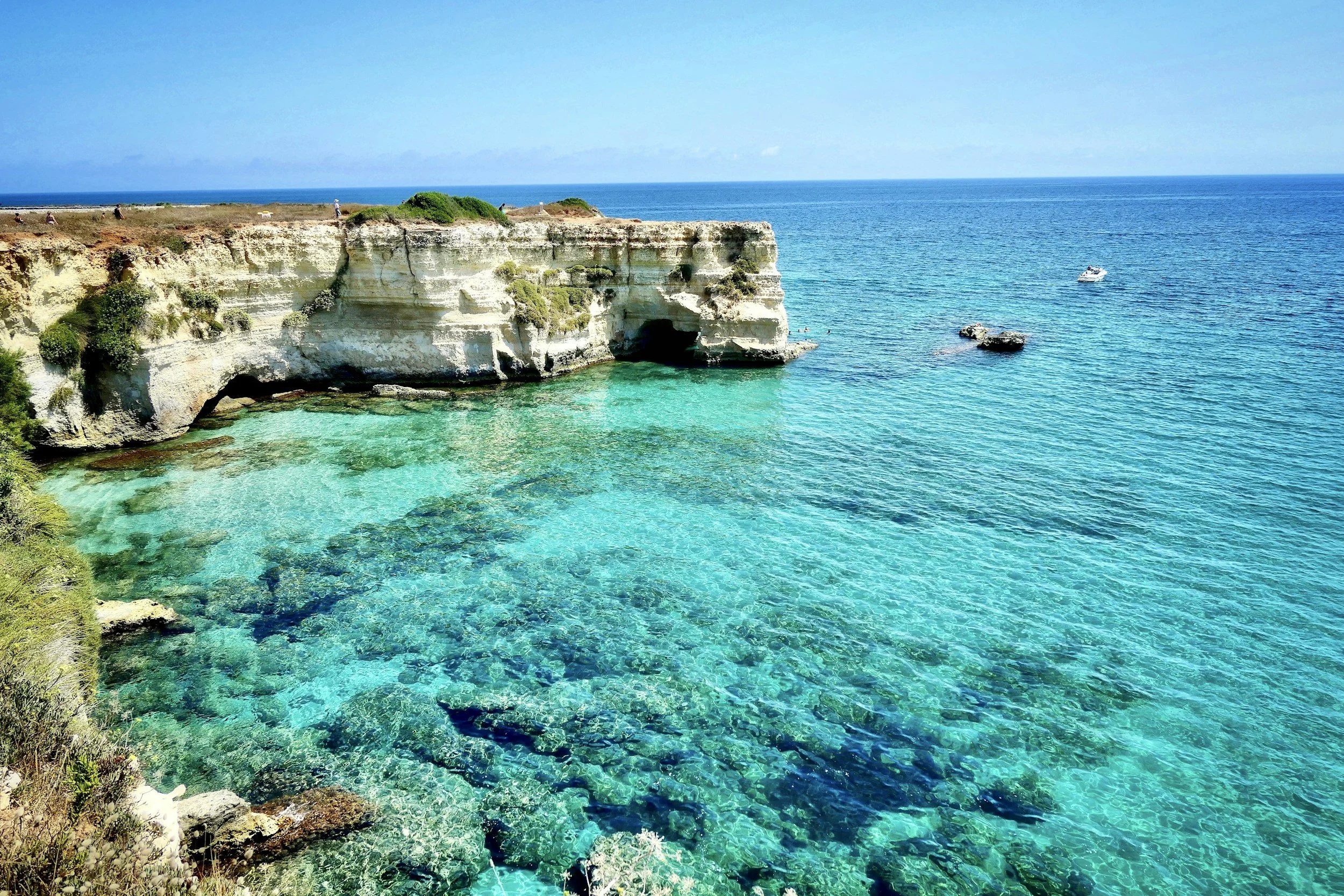
Puglia Natural Wine Guide: From Bulk Wine to Amphora Revolution
Primitivo Reimagined & Salento's Ancient Vineyards
From Italy's Wine Cellar to Natural Frontier
When the south rejects quantity for quality
Puglia—the heel of Italy's boot, surrounded by the Adriatic and Ionian seas—was historically Italy's "wine cellar," pumping out millions of hectoliters of bulk red wine to blend with weaker northern vintages. This is the land of intense sun, red earth (terra rossa), and naturally high-alcohol grapes like Primitivo (genetic twin to California Zinfandel) and Negroamaro. For decades, quantity trumped quality, and chemical farming was the norm to maximize yields.
This guide explores the radical transformation of Puglian wine—where a new generation rejects the cooperative bulk model in favor of organic, biodynamic, and natural methods. Valentina Passalacqua (Fosso Corno) is the face of this revolution—biodynamic farming, amphora aging, and zero-sulfur wines from native grapes in the northern Gargano and Castel del Monte areas. Cristiano Guttarolo (Gioia del Colle) proves that Primitivo can be elegant, fresh, and natural when farmed organically and picked early. Cantine Ariano and Morella are reviving nearly extinct varieties like Susumaniello and Minutolo.
What distinguishes Puglian natural wine is the challenge of heat and sugar—managing the region's intense sun to make wines of freshness rather than jammy concentration. It is defined by amphora traditions—the return to giare (clay jars buried in the ground) that ancient Messapians used 2,500 years ago. And it is characterized by native variety revival—moving beyond Primitivo to discover Susumaniello, Ottavianello, Bianco d'Alessano, and Fiano Minutolo, saved from extinction by natural wine curiosity.
Key Facts
- Location: Southern Italy, heel of the boot
- History: Messapian, Greek, Roman viticulture
- Key Regions: Salento, Gioia del Colle, Castel del Monte, Itria Valley
- Main Grapes: Primitivo, Negroamaro, Susumaniello, Minutolo
- Method: Amphora (giare), alberello, organic
- Style: Fresh reds, mineral whites, skin-contact
- Notable: Historic bulk region now natural leader
From Messapians to Primitivo Boom
Ancient giare, Swabian castles, and the bulk wine empire
The Messapian Civilization
The Messapians (Illyrian people) establish sophisticated viticulture in the Salento peninsula, using giare (clay amphorae buried in the ground) to ferment and store wine—2,500 years before the current natural wine amphora trend. Greek colonists arrive and expand vine cultivation. The "Alberello" (bush vine) training system develops to survive drought and wind. Wines are exported throughout the Mediterranean.
Swabian & Angevin Rule
Emperor Frederick II (Swabian) builds Castel del Monte (octagonal castle, UNESCO site) surrounded by vineyards. The Angevins (French) and Aragonese (Spanish) continue viticulture. Primitivo (named for its early ripening—"primo") becomes established in the Gioia del Colle area. The grape's high sugar and alcohol make it valuable for trade. "Negroamaro" (black bitter) dominates the Salento plains.
The Primitivo Discovery
A priest named Francesco Filippo Indellicati "discovers" and names Primitivo in 1799 in Gioia del Colle, noting its early ripening (August). The grape spreads throughout the region. Phylloxera arrives late (early 1900s) but devastates, leading to replanting on American rootstock. The "Alberello" system remains dominant due to drought resistance.
The Bulk Wine Empire
Post-WWII, Puglia becomes Italy's bulk wine capital—tanker trucks transport millions of liters north to bolster thin Piedmontese and French vintages. Chemical farming maximizes yield (20+ tons/hectare). Cooperatives dominate. Quality is irrelevant; alcohol content is king. "Primitivo di Manduria" becomes synonymous with high-octane (16%+), sweet, oxidated red. A few producers (like Regina in Gioia del Colle) maintain traditional methods, but they are exceptions.
The Natural Awakening
Cristiano Guttarolo converts his family estate in Gioia del Colle to organic farming and natural winemaking, proving Primitivo can be fresh, acidic, and low-alcohol (12-13%) when picked early and farmed without chemicals. Valentina Passalacqua begins her biodynamic project in the Gargano. The Susumaniello grape (nearly extinct) is rediscovered and celebrated for its freshness. Amphora producers (using traditional giare) emerge in Manduria and Lizzano.
The Renaissance
Young winemakers reject the bulk model entirely. Lammidia (Davide Gentile and Marco Giuliani) brings avant-garde natural wine to the region (though technically Abruzzo border, influential in Puglia). Morella (Angelo and Alfredo) focus on single-vineyard Primitivo and ancient varieties. Cantine Ariano produces zero-sulfur Susumaniello and Ottavianello. The region transforms from "wine factory" to "natural wine frontier," with London, Paris, and New York sommeliers seeking out these fresh, salty, southern wines.
Salento, Murgia & Gioia del Colle
Terra rossa, limestone karst, and Mediterranean breezes
🌅 Salento (The Heel)
The peninsula between Adriatic and Ionian seas—flat, hot, limestone bedrock with thin terra rossa (red soil, iron-rich clay) topsoil. The climate is extreme Mediterranean—scorching summers, mild winters, constant sea breezes. Negroamaro dominates (dark, tannic, bitter), with Primitivo in the northern Salento (Manduria). Natural producers focus on bush vines (alberello) and organic farming to preserve acidity in the heat. The sea influence provides crucial ventilation and salinity.
🏰 Gioia del Colle
The plateau (400m elevation) in the center of Puglia—cooler than Salento, with significant diurnal temperature variation. Calcareous soils with fossils (ancient seabed). This is the historic home of Primitivo (higher, fresher expressions than Manduria). Cristiano Guttarolo and the BluVite association are here. The elevation allows for fresh, medium-bodied reds with herbal notes impossible in the hotter plains. Also home to Fiano Minutolo (aromatic white).
⛰️ Castel del Monte
The Alta Murgia plateau (500m+ elevation), karstic limestone landscape with extreme temperature swings. UNESCO World Heritage site for Frederick II's octagonal castle. Nero di Troia (aka Uva di Troia) is the native red—elegant, floral, high acid when grown at altitude. Valentina Passalacqua farms here biodynamically, focusing on amphora-aged wines. The soil is poor, rocky, forcing deep roots and low yields—perfect for natural wine concentration without heaviness.
🌳 Itria Valley
The "Valle d'Itria" between Bari, Taranto, and Brindisi—famous for trulli (conical stone houses). Red soil and limestone, dotted with ancient olive groves. Locorotondo and Martina Franca are the wine towns, traditionally known for white wines (Verdeca, Bianco d'Alessano) but now experimenting with natural reds. The altitude (300-400m) and sea breezes create freshness.
🏝️ Gargano Promontory
The "spur" of Italy's boot—mountainous, forested, completely different from the rest of Puglia. Valentina Passalacqua's "Fosso Corno" is here (Apricena), on limestone rich in fossils. The influence is more central Italian than southern—cooler, wetter, with pine forests (Bosco Difesa). Unique terroir within Puglia, producing wines of nervous acidity and Alpine character despite the southern latitude.
🔴 Terra Rossa
The iron-rich red clay that defines Puglian agriculture. Formed from limestone bedrock weathering, this soil retains water (crucial for dry summers) and provides minerals. In natural viticulture, the microbial life of terra rossa is preserved rather than sterilized by chemicals, creating wines of earthy depth and red fruit character distinct from the "cooked" flavors of chemically farmed bulk wine.
Regional Natural Wine Character
| Zone | Soil | Grapes | Natural Wine Character |
|---|---|---|---|
| Salento | Terra rossa, limestone | Negroamaro, Primitivo | Salty, dark, Mediterranean |
| Gioia del Colle | Calcareous, fossil-rich | Primitivo, Fiano Minutolo | Fresh, herbal, mineral |
| Castel del Monte | Karstic limestone, rocky | Nero di Troia, Pampanuto | Floral, high acid, elegant |
| Itria Valley | Red soil, limestone | Verdeca, Susumaniello | Textured, fruity, white/red |
| Gargano | Calcareous, forested | Nero di Troia, Falanghina | Nervy, Alpine, unique |
The Featured Producers
The new generation rejecting bulk wine
Northern Puglia & Gargano – The Biodynamic Pioneers
Gioia del Colle – The Primitivo Revolution
Salento & The South – Native Variety Revival
The Grapes of Puglia
From Primitivo's power to Susumaniello's revival
Primitivo
Genetic twin to California Zinfandel and Croatian Crljenak Kaštelanski. Early ripening (hence "Primitivo"), naturally high sugar (potential for 16%+ alcohol), thick-skinned, thrives in heat. The natural wine challenge: managing sugar/alcohol while preserving acidity. Natural producers pick early (mid-August), use whole clusters to add freshness, and age in amphora or cement to avoid oak's vanilla mask. When made naturally, it shows red cherry, wild strawberry, tobacco, and Mediterranean herbs rather than the jammy raisin of industrial versions. Two main styles: Gioia del Colle (higher, fresher) and Manduria (warmer, richer).
- Style: High alcohol potential, spicy, fruity
- Natural Wine Role: Early harvest, whole cluster, amphora
- Top Producers: Guttarolo, Morella, Quarta
- Regions: Gioia del Colle, Manduria
- Notable: Same as Zinfandel (DNA 1990s)
Susumaniello
Nearly extinct variety saved by natural wine producers. Grows vigorously ("like a donkey"—susumaniello means pack donkey in dialect) then suddenly stops, concentrating the grapes. Makes deep-colored but fresh reds with white pepper, blackberry, and violet notes. Naturally high acidity makes it perfect for natural winemaking without sulfur. Ariano and Li Veli are leading the revival. Typically light to medium-bodied despite dark color, with savory, herbal finishes.
- Style: Dark color, fresh acid, peppery
- Natural Wine Role: Zero sulfur, amphora, indigenous
- Top Producers: Ariano, Li Veli, Canlibero
- Regions: Itria Valley, Brindisi
- Notable: Nearly extinct in 1990s
Negroamaro
"Black bitter"—the workhorse of Salento, dark-skinned, late-ripening, naturally high in polyphenols and tannins. Traditionally made into bulk wine or rosato (Rosato Salento). Natural producers are reclaiming it as a serious red—whole-cluster fermentation to manage tannins, native yeast, and short maceration to avoid excessive extraction. Flavors: black cherry, plum, thyme, Mediterranean scrub (macchia), and a characteristic slight bitterness (amarato). Best from old bush vines (alberello) in red soil.
- Style: Dark, tannic, slightly bitter
- Natural Wine Role: Whole cluster, short maceration
- Top Producers: Canlibero, various Salento naturals
- Regions: Salento peninsula
- Notable: Often blended with Primitivo
More Puglian Varieties
Fiano Minutolo: Distinct from Campania's Fiano—aromatic, floral, citrusy, saline. Grown in Gioia del Colle. Natural versions are textured, almost Muscat-like but dry.
Nero di Troia (Uva di Troia): Castel del Monte's grape—floral (violets), high acid, medium body, ages well. Passalacqua's specialty.
Verdeca: White grape of Itria Valley—neutral, crisp, often blended. Natural versions see skin contact for texture.
Bianco d'Alessano: Historic white from Alessano (southern Salento), nearly extinct. Fresh, mineral, salty.
Ottavianello: Cinsaut by another name, rare in Puglia, light red/rosato.
Bombino Bianco: High-yielding white, usually bulk, but natural versions can be interesting with skin contact.
Malvasia Nera: Aromatic red used for blending or sweet wines, occasionally natural dry versions.
Food Pairing & Puglian Cuisine
Cucina povera, seafood, and the Mediterranean diet
For Primitivo (Natural Style)
- Grilled lamb: Cuttodde (chops) with rosemary
- Orecchiette: With cime di rapa (turnip tops)
- Salsiccia: Fresh Puglian sausage (fennel)
- Bombette: Pork rolls with cheese (Cisternino)
- Aged Pecorino: From Foggia or Bari
For Negroamaro & Susumaniello
- Braciole: Beef rolls in tomato sauce
- Polpo: Grilled octopus (Salento coast)
- Caciocavallo: Aged cheese (pasta filata)
- Fave e cicorie: Fava bean purée with chicory
- Ragu: Horse meat (traditional in Salento)
For Amphora Whites (Minutolo/Verdeca)
- Crudo di mare: Raw seafood platter
- Frisella: Dried bread with tomatoes
- Burrata: Fresh from Andria (invented here)
- Spigola: Sea bass, grilled or crudo
- Ricotta forte: Strong aged ricotta spread
For Rosato (Negroamaro)
- Focaccia barese: With tomatoes and olives
- Panzerotti: Fried calzone with mozzarella
- Tiella: Rice, potatoes, and mussels
- Spaghetti alle vongole: Clams
- Sgagliozze: Fried polenta (Bari street food)
Puglian Culinary Traditions
Cucina Povera: The "poor kitchen"—using every part of the plant and animal. Turnip tops (cime di rapa), fava beans, wild chicory. These bitter greens pair perfectly with Primitivo's fruit.
Burrata: Invented in Andria (Puglia) in the 1900s—mozzarella shell with stracciatella (shredded mozzarella and cream) inside. Eat within 24 hours of production.
Orecchiette: "Little ears" pasta, hand-rolled by nonne (grandmothers) in Bari Vecchia (old town). With cime di rapa (turnip tops) or ragù.
Frisella: Twice-baked bread ring, soaked in water then topped with tomatoes, olive oil, oregano—summer staple.
Focaccia Barese: Thick, soft, with tomatoes, olives, and oregano. Different from Ligurian focaccia.
Grilled Fish: Simple, with olive oil and lemon. The Ionian and Adriatic provide anchovies, octopus, sea bream. Natural whites (Fiano Minutolo) are perfect.
Visiting Natural Puglia
From Gargano forests to Salento beaches
🏰 Gargano & North
Base in Vieste (coast) or San Giovanni Rotondo (interior). Valentina Passalacqua (Apricena—appointment essential, spectacular forested setting). Combine with Forest Umbra (Umbrian Forest), Tremiti Islands (ferry from Vieste), and San Giovanni Rotondo (Padre Pio shrine). Best in May-June (wildflowers) or September (less tourists, harvest).
🍷 Gioia del Colle & Itria
Base in Gioia del Colle (good restaurants) or Martina Franca (charming Baroque town). Cristiano Guttarolo (appointment—cellar visit includes amphorae). Morella (nearby). Combine with Alberobello (trulli—touristy but essential), Locorotondo (wine town), and Ostuni (the white city). Best in spring (April-May) or October.
🌅 Salento (The Heel)
Base in Lecce (Florence of the South—Baroque architecture) or Gallipoli (coastal). Canlibero or Claudio Quarta (Manduria area). Combine with Otranto (easternmost point), Santa Maria di Leuca (where seas meet), and Gallipoli (old town on island). Beaches are Caribbean-quality (Pescoluse, Torre dell'Orso). Best in June or September (avoid August crowds).
Puglia Natural Wine Travel Tips
Timing: Harvest is late August (Primitivo) to September (Negroamaro). Summer (July-August) is brutally hot (40°C/104°F) and crowded with Italian tourists. Spring (April-May) and autumn (September-October) are ideal.
Transport: Car essential. Public transport exists but is infrequent. Distances: Bari to Lecce is 2 hours; Gargano to Salento is 4+ hours. The region is larger than it appears.
Language: English less spoken than in Tuscany—learn basic Italian phrases. The Pugliese dialect is strong (sounds like Greek in parts due to Magna Graecia history).
Masserie: Stay in masserie (historic fortified farmhouses)—many have been converted to agriturismi with pools. The best wine producers offer accommodation.
Food Safety: Puglia is casual. Reservations often unnecessary except for top restaurants in Lecce. Eat seafood on the coast, meat inland.
Trulli: If visiting Alberobello, go early (8 AM) to avoid tour buses. The trulli (conical stone houses) are unique but the town is touristy.
Beaches: The Ionian coast (west) has sandy beaches; Adriatic (east) is rockier. Both have crystal-clear water. Bring water shoes for rocky areas.
7-Day Natural Wine Itinerary
Day 1 - Bari: Arrive Bari. Explore Bari Vecchia (old town) at night—orecchiette being made on street corners. Overnight Bari.
Day 2 - Gioia del Colle: Drive to Gioia del Colle. Cristiano Guttarolo (tasting and cellar visit). Lunch at Grani in Pasta. Afternoon: Morella or free time. Overnight Gioia del Colle.
Day 3 - Itria Valley: Alberobello (early morning). Locorotondo (lunch). Martina Franca (evening passeggiata). Overnight Martina Franca or Ostuni.
Day 4 - Salento: Drive to Lecce (2 hours). Explore Baroque architecture. Canlibero or Li Veli (appointment). Overnight Lecce.
Day 5 - Coast: Morning: Otranto (castles, sea). Afternoon: Santa Cesarea Terme or Castro (swimming). Gallipoli for dinner. Overnight Gallipoli.
Day 6 - Manduria: Claudio Quarta (Manduria). Porto Cesareo (beach—Caribbean blue water). Return to Bari area. Overnight Bari or Polignano.
Day 7 - Departure: Morning: Polignano a Mare (cliff town) or Matera (1 hour away—Sassi cave dwellings). Fly from Bari or Brindisi.
Alternative: Add 3 days for Gargano (north) to visit Valentina Passalacqua and the forests.