

Slovenia
THE AMBER REVOLUTION & OPOKA TERROIR
From the opoka soils of Goriška Brda to the terra rossa of the Karst, discover how Slovenian natural winemakers pioneered the amber wine revolution with Rebula, Teran, and biodynamic opulence
The Birthplace of Orange Wine
Where ancient Celtic traditions meet biodynamic innovation
Slovenia—nestled between Italy, Austria, Hungary, and Croatia—possesses one of Europe's most ancient and diverse wine cultures, yet remained virtually unknown to the outside world until the 1990s. This tiny country (just 20,273 square kilometers) is the spiritual home of the "amber wine" revolution—white wines fermented on their skins that have captivated the natural wine world.
This guide focuses on the pioneers of Slovenian natural wine—producers who have elevated the country's indigenous varieties to international acclaim. Aleš Kristančič of Movia crafts biodynamic wines that age for decades. The Batič family (founded 1592) makes transcendent orange wines from field blends. Božidar Zorjan ferments in Georgian qvevri buried under the stars. Primož Štoka nurtures the ancient Teran grape on iron-rich terra rossa.
What unites them is a commitment to indigenous varieties (Rebula, Pinela, Zelen, Teran), biodynamic farming, and extended skin contact (maceration). These wines—often amber-hued, textured, and deeply mineral—represent a Slovenia that is ancient, mystical, and utterly distinct from its neighbors.
Key Facts
- Location: Central Europe, Balkans, 46°N latitude
- History: 3,000+ years (Celtic origins)
- Key Regions: Vipava Valley, Goriška Brda, Kras, Styria
- Main Grapes: Rebula, Malvazija, Teran, Pinela, Zelen
- Method: Biodynamic, amphora, extended maceration
- Style: Amber/orange, mineral, high acid, structured
- Notable: Home to world's oldest producing vine (450 years)
From Celtic Hill Forts to the Amber Revolution
3,000 years of Slovenian wine evolution
Celtic Foundations
Evidence of viticulture at the hill fort of Molpír in the Small Carpathians—predating the Romans by 400 years. Celtic and Illyrian tribes cultivate vines in the region. The arrival of Romans brings more advanced techniques, but indigenous varieties like Rebula and Teran likely have pre-Roman origins.
The Batič Legacy Begins
The Batič family establishes their winery in Šempas in the Vipava Valley. They would continue uninterrupted for over 400 years, weathering Ottoman invasions, the Austro-Hungarian Empire, and world wars. Their vineyard is one of the oldest continuously family-owned wine estates in Europe.
Movia Founded
The Kristančič family establishes Movia in Goriška Brda. The estate would remain in the family for eight generations, becoming one of Slovenia's most prestigious wineries. The current generation, led by Aleš Kristančič, would revolutionize Slovenian wine in the late 20th century.
The Yugoslav Era
Slovenia becomes part of communist Yugoslavia. Many private vineyards are collectivized, though some families (like Mlečnik) maintain their land by joining cooperatives. Winemaking focuses on quantity over quality. The Mlečnik family is only allowed to live in part of their house; their farm confiscated in 1964.
Independence & Revival
Slovenia gains independence from Yugoslavia—the first republic to break away. The Mlečnik family gets their farm back in 1986 (before official independence). Winemakers begin reclaiming their heritage, focusing on indigenous varieties and quality over quantity. The "Slovenian Tuscany" (Brda) begins its transformation.
The Amber Revolution
Božidar Zorjan begins fermenting in amphorae (qvevri) in Styria—years before Gravner in neighboring Italy. The "orange wine" movement takes hold in Vipava Valley and Brda. Extended maceration (weeks to months on skins) becomes the signature of the region. Movia gains international acclaim. Simon J. Woolf publishes "Amber Revolution" (2018), cementing Slovenia's place as the spiritual home of skin-contact wines.
Opoka, Flysch & Terra Rossa
The diverse terroirs of Slovenian natural wine
🏔️ Goriška Brda (The Slovenian Tuscany)
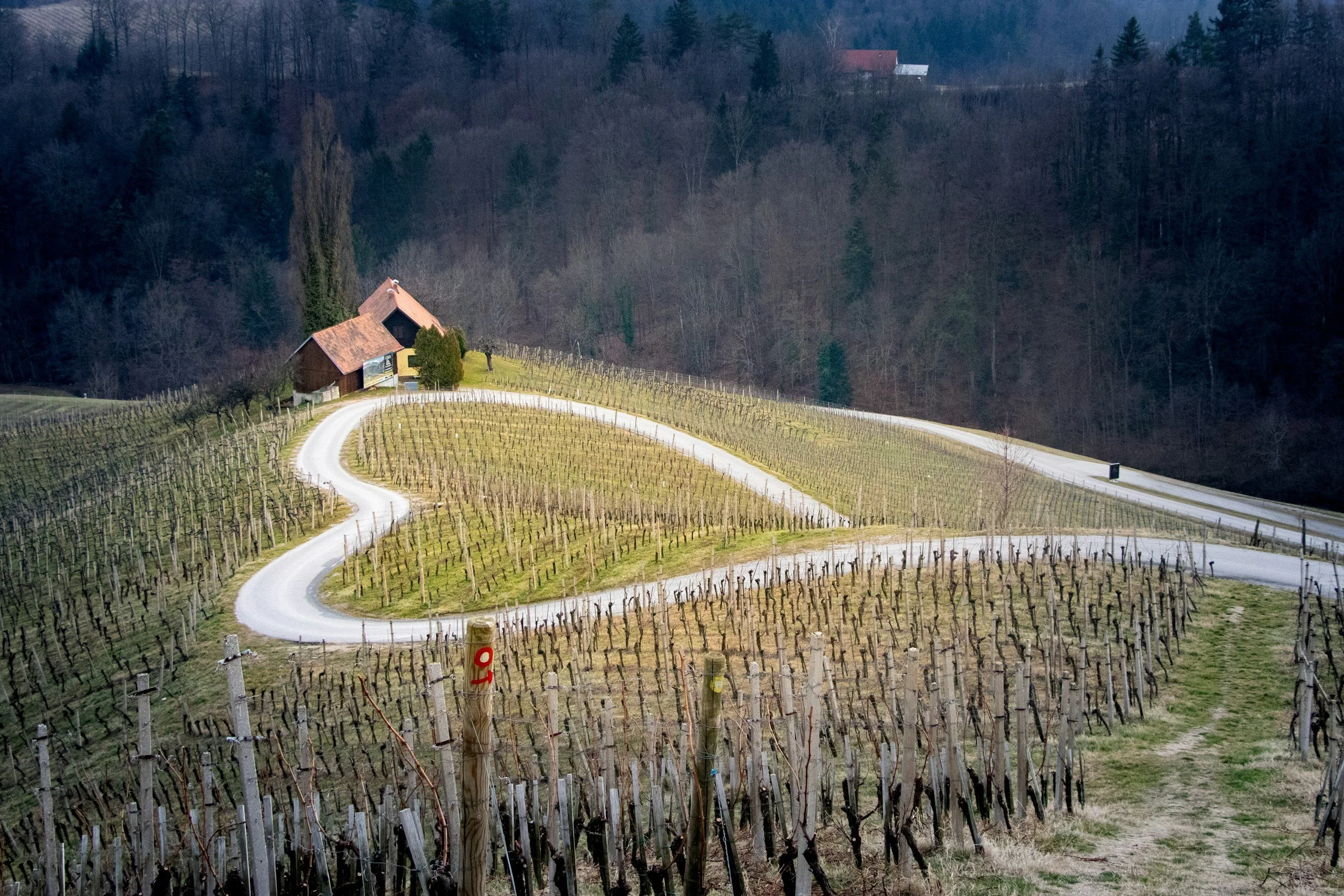
Hilly region on the Italian border, extension of Italy's Collio. Opoka soil (flysch)—layered sandstone, marl, and clay—gives distinctive minerality. Mediterranean and Alpine influences. Home to Movia, Kmetija Štekar, Prinčič. Famous for Rebula (Ribolla Gialla), Pinot Grigio, and Sauvignon. Terraced vineyards with stunning views. Heart-shaped road at Špičnik is iconic.
🌊 Vipava Valley (Vipavska Dolina)
Valley between Trnovo Forest Plateau and Karst Plateau. Sub-Mediterranean climate with strong bora wind (burja). Marl, clay, flysch, and sandstone soils. Indigenous varieties: Pinela, Zelen, Klarnica (found nowhere else). Batič, Guerila, and Polič make amber wines here. Strong wind reduces fungal pressure, allowing organic farming.
🌋 Kras (The Karst)
Unique karst plateau with limestone bedrock and red soil (terra rossa). Iron and aluminum oxide-rich clay. Europe's first cross-border wine region (with Italy). Štoka and Čotar work here. Famous for Teran (Refosco/Refšk) and Vitovska. Caves, sinkholes, and strong winds (burja). Only 600 hectares of vines between Slovenia and Italy. Medicinal properties attributed to Teran since Roman times.
🏰 Styria (Štajerska)
Northeastern region in Podravje, bordering Austria. Rolling hills, deep forests, volcanic soils near Pohorje. Continental climate with Germanic influences. Zorjan works here with amphorae buried under stars. Also home to Jeruzalem (Furmint, Welschriesling) and Maribor (world's oldest vine—450 years old). Riesling, Sauvignon, and Traminer thrive here.
🌾 Slovenian Istria
Coastal region between Italy and Croatia. Most sunlit district in Slovenia. Mediterranean climate. Refošk (45% of plantings) and Malvasia (30%) dominate. Iron-rich red soils similar to Karst. Truffle territory. Warmer than Brda, producing riper, fuller wines.
⛰️ Posavje
Southeastern region along Sava River. Smallest wine region. Known for Cviček—a light, low-alcohol blend of white and red grapes. Traditional vineyard cottages (zidanice) for overnight stays. Dolenjska, Bizeljsko-Sremič, and Bela Krajina districts. More continental, cooler climate.
Key Natural Wine Regions
| Region | Climate | Soil | Natural Wine Character |
|---|---|---|---|
| Goriška Brda | Mediterranean/Alpine | Opoka (flysch) | Mineral, structured, amber |
| Vipava Valley | Sub-Mediterranean, windy | Marl, clay, flysch | Fresh, herbal, indigenous |
| Kras (Karst) | Continental/Sub-Mediterranean | Terra rossa (iron-rich) | Medicinal, acidic, iron |
| Styria | Continental | Volcanic, clay | Elegant, aromatic, cosmic |
| Slovenian Istria | Mediterranean | Red clay, limestone | Ripe, full, truffle-friendly |
The Featured Producers
The pioneers of the amber revolution
Goriška Brda – The Crown Jewels
Vipava Valley – The Amber Heart
Kras & Karst – The Iron Soul
Styria – The Amphora Pioneers
The Grapes of Natural Slovenia
Indigenous treasures of the amber revolution
Rebula (Ribolla Gialla)
The most important indigenous white grape of Goriška Brda and Vipava Valley. Same as Italy's Ribolla Gialla. Thick skins perfect for extended maceration (amber/orange wine). Originated in Greece, brought by Romans, adapted to local terroir over 2,000 years. Wines are structured, mineral, age-worthy, with notes of dried apricot, citrus peel, tea, nuts when macerated.
- Style: Structured, mineral, tannic when macerated
- Natural Wine Role: Extended skin contact (weeks to months)
- Top Producers: Movia, Batič, Štekar, Prinčič
- Regions: Goriška Brda, Vipava Valley
- Notable: Same grape as Italian Ribolla Gialla
Teran (Refosco)
Indigenous to Kras (Karst) region. Called Refosco in Italy, Refošk in Slovenian Istria. Grows on iron-rich terra rossa soils, giving wine high iron content and blood-red color. Naturally high resveratrol, lactic acid, acidity. Medicinal properties since Roman times—Livia Drusilla (wife of Augustus) favored it and lived to 82. Briny, amaro-scented, Alpine forest fruits, Mediterranean herbs.
- Style: High acid, iron-rich, briny, medicinal
- Natural Wine Role: Traditional, long-aged, pét-nat
- Top Producers: Štoka, Čotar
- Regions: Kras, Slovenian Istria
- Notable: Protected origin (PTP) status
Pinela
Indigenous white grape found only in Vipava Valley. Elegant, aromatic, spicy flavor profile. Often blended with Zelen and Rebula for amber wines. Batič, Polič, and Fedora champion it. "Pinela 365" by Fedora spends 365 days on skins. Fresh citrus, herbal notes when young; develops honeyed, complex character with age and skin contact.
- Style: Elegant, aromatic, spicy, fresh
- Natural Wine Role: Field blends, long maceration
- Top Producers: Batič, Polič, Fedora, Sutor
- Regions: Vipava Valley only
- Notable: Exclusive to this valley
More Slovenian Varieties
Zelen: Another Vipava Valley exclusive. Aromatic, spicy, fresh. Often blended with Pinela and Rebula in field blends. Batič's "Zaria" includes it.
Malvazija (Malvasia Istriana): Aromatic white grown in Istria and Vipava. Thin skin, floral, honeyed. Polič makes intense skin-contact versions aged for years.
Vitovska: White grape of Kras. Believed to be Prosecco Tondo x Malvasia Bianca cross. Herbal, lightly aromatic, lemon-honey quality. Štoka makes pét-nat from it.
Jakot (Tokaj Friulano): Same as Italian Friulano. Name inverted by Batič to avoid EU naming restrictions. Almond, wildflower aromas.
Refošk: The Istrian name for Teran. Grows in Slovenian Istria (coastal). Deep color, high acid, used for red wines and blends.
Klarnica: Rare indigenous white from Vipava Valley. Very limited plantings, preserved by dedicated natural winemakers.
Food Pairing & Slovenian Cuisine
Amber wine meets pršut, truffles, and Adriatic seafood
Pairings for Amber Wines
- Pršut: Karst air-dried ham with Teran
- Truffles: Istrian white truffles with aged Rebula
- Seafood: Adriatic fish with orange wines
- Gnocchi: With truffle or meat sauces
- Local match: Kraški ovčji sir (Karst sheep cheese)
Pairings for Teran
- Pršut: The classic pairing
- Rare steaks: Salty, iron-rich meats
- Cured meats: Salami, pancetta
- Goulash: Hearty meat stews
- Local match: Jota (sauerkraut and bean soup)
Slovenian Wine Traditions
Pršut (air-dried ham) from Kras is Slovenia's answer to Italian prosciutto—salted, seasoned, and aged in the bora wind for up to 18 months. The combination of pršut and Teran is considered the quintessential Slovenian pairing. Zidanice are small stone cottages built in vineyards—traditionally used as wine cellars and shelter, now often rented to tourists for overnight stays. Klet (cellars) in Vipava Valley and Brda are carved into hillsides, maintaining perfect temperature and humidity. The Malokarpatská vínna cesta (Little Carpathian Wine Route) is a two-day November festival when over 100 cellars open to the public. Slovenia has the world's oldest producing grapevine—the Stara Trta (Old Vine) in Maribor, at 450+ years old. Natural winemakers often observe biodynamic calendars and lunar cycles for bottling and vineyard work. The Slovenian tradition of gostoljubnost (hospitality) means wine is for sharing—natural wine's convivial character fits perfectly.
Visiting Natural Slovenia
From Brda's opoka to Kras's caves
🏔️ Goriška Brda
Base in Šmartno or Dobrovo. Visit Movia (Aleš Kristančič—taste Puro sparkling and Lunar wines). Kmetija Štekar (organic pioneer, pršut tasting, glamping). Prinčič (family estate since 1848, Mihael wines). Drive the heart-shaped road at Špičnik. See Čičarija mountains backdrop. Combine with Trieste, Italy (30 min).
🌊 Vipava Valley
Base in Vipava town or Ajdovščina. Visit Batič (1592 estate, Zaria amber wine, PCS system). Polič (Truške, extreme maceration Malvazija). Sutor (Mitja Lavrenčič, precise Rebula Extreme). Fedora (Pinela 365). Hike the Vipava Valley wine trail. Combine with Škocjan Caves (UNESCO) or Predjama Castle.
🌋 Kras (Karst)
Base in Sežana or Dutovlje. Visit Štoka (Krajna Vas, Teran tasting, pršut cellar). Čotar (traditional Teran). See Škocjan Caves (massive underground canyon). Vilenica Cave. Lipica Stud Farm (Lipizzaner horses). The red terra rossa soil is visible everywhere. Combine with Trieste or Croatian Istria.
10-Day Natural Wine Itinerary
Day 1 - Ljubljana: Arrive. Explore capital, wine bars. Overnight Ljubljana.
Day 2 - Vipava Valley: Drive west (1 hour). Visit Batič (Zaria tasting). Sutor (Rebula Extreme). Overnight Vipava town.
Day 3 - Vipava Valley: Polič (extreme maceration Malvazija). Fedora (Pinela 365). Overnight Vipava.
Day 4 - Kras: Drive south (45 min). Visit Štoka (Teran, pršut). Škocjan Caves. Overnight Sežana.
Day 5 - Kras/Coast: Čotar (Teran). Slovenian Istria coast. Overnight Koper or Piran.
Day 6 - Brda: Drive north (1.5 hours). Visit Movia (Puro, Lunar). Štekar (organic, pršut). Overnight Dobrovo.
Day 7 - Brda: Prinčič (Mihael wines). Heart-shaped road. Wine trail walking. Overnight Brda.
Day 8 - Styria: Drive east (2.5 hours). Visit Zorjan (amphora, cosmic philosophy). Overnight Maribor.
Day 9 - Maribor: See Stara Trta (450-year-old vine). Lent district. Return to Ljubljana (1.5 hours).
Day 10 - Ljubljana: Final tastings, shopping. Departure.