

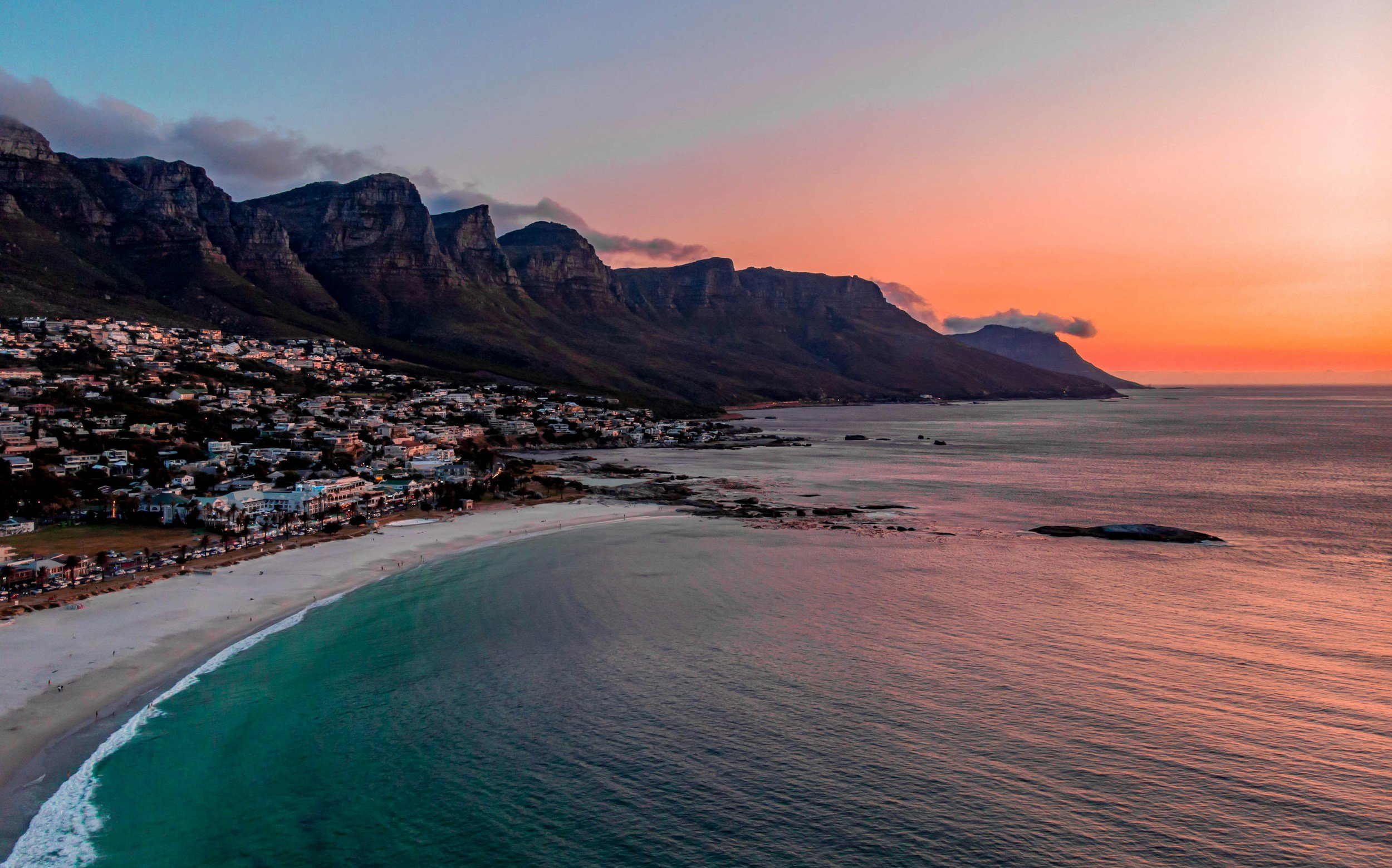
South Africa
From the dry-farmed bush vines of the Swartland to the maritime breezes of the Hemel-en-Aarde, discover South Africa's natural wine awakening—where Chenin Blanc meets Cinsault and the Old Vine Project preserves living history.
From the Ashes of Apartheid
The most radical wine revolution in the New World
South Africa stands at a unique intersection of Old World tradition and New World innovation, burdened by history yet bursting with potential. For decades, the Cape wine industry was defined by cheap supermarket brands, the controversial Pinotage grape, and the shadow of apartheid-era labor practices. But since 2010, a revolution has emerged from the unlikely terroir
The Swartland Revolution, as it came to be known, wasn't just about technique—it was political. Led by figures like Eben Sadie and Adi Badenhorst, these producers rejected the corporatization of the wine industry, championed old bush vines (many over 50 years old), and brought international attention to South Africa's forgotten vineyards. They proved that South Africa could produce wines of place, not just commodity.
This movement coincided with the Old Vine Project, established to catalog and protect South Africa's ancient vineyards—many planted in the 1960s and 70s before the industry prioritized high-yielding clones. Today, these gnarly, dry-farmed bush vines yield tiny quantities of intensely concentrated fruit, becoming the backbone of the natural wine renaissance.
The Swartland Timeline
From obscurity to the world's most exciting natural wine frontier
Terroir of the Revolution
Understanding the Swartland's unique growing conditions
The Paardeberg Mountain
An ancient granite mountain that dominates the Swartland landscape. Its decomposed granite soils (koffieklip) provide excellent drainage and impart a distinctive mineral, flinty character to both white and red wines. Vineyards here are typically dry-farmed, with roots reaching deep into the fractured rock.
Malmesbury Shale
The iron-rich, red-tinged shale soils that define the valley floors. These heavier soils retain moisture longer, crucial for dry farming in this hot climate. Wines from shale tend to show more dark fruit, earth, and structure compared to the granite sites.
Dry-Farmed Bush Vines
No irrigation, no trellising. These old vines (many 40-100+ years old) grow as free-standing bushes, forcing roots to delve 6+ meters deep for water. The stress produces tiny yields (often under 1 ton per acre) but incredible concentration and natural acidity.
The Holy Trinity
Chenin Blanc, Cinsault, and Pinotage—South Africa's natural wine pillars
Chenin Blanc
South Africa has more Chenin Blanc planted than the rest of the world combined—many from vines dating to the 1960s. In the Swartland, it transforms from the simple, fruity style of the 1990s into something profound: waxy, honeyed, with quince, ginger, and crushed stones.
- Profile: Waxy texture, high acidity, quince, honey, wet stone
- Natural Style: Skin contact, amphora-aged, unfined/unfiltered
- Key Producers: A.A. Badenhorst, Chenin Coalition, David & Nadia
Cinsault
Once relegated to bulk wine and brandy production, old-vine Cinsault (pronounced "san-so") has become the darling of the natural wine movement. Light in color but intensely aromatic, it offers red berry, floral, and spice notes with a savory, herbal finish.
- Profile: Light body, red cherry, rose petal, white pepper, herbs
- Natural Style: Whole-cluster fermentation, carbonic maceration
- Key Producers: Eben Sadie, Craven, J.B. Becker, Lammershoek
Pinotage
The controversial love-child of Pinot Noir and Cinsault, created in South Africa in 1925. Natural winemakers are redeeming its reputation, avoiding the heavy oak and over-extraction that marred its past. Done well, it offers smoky bacon, mulberry, and earthy complexity.
- Profile: Medium-full body, mulberry, smoke, bacon fat, earthy
- Natural Style: Whole bunch, older oak, minimal sulfur
- Key Producers: Lismore, Crystallum, Kaapzicht, Beeslaar
Producers to Know
The vanguard of South Africa's natural wine movement
Beyond the Swartland
Other essential regions in South Africa's natural wine landscape
Hemel-en-Aarde
Meaning "Heaven and Earth," this Walker Bay region receives cooling breezes from the Atlantic, making it perfect for Pinot Noir and Chardonnay. Producers like Crystallum and Hamilton Russell are making world-class Burgundian-style wines with natural sensibilities.
Stellenbosch
South Africa's most famous wine region is home to some of the oldest estates. While historically conservative, producers like Johan Meyer (Meyer Joubert) and Stark-Condé are embracing natural winemaking, particularly with Pinotage and Cabernet Franc.
Cederberg
Located 3+ hours north of Cape Town, this mountainous region has some of the highest vineyards in the country. The extreme diurnal range creates electric acidity in Chenin Blanc and Syrah. David Nieuwoudt's "Ghost Corner" and Cederberg Private Cellar lead the way.
What to Look For
Navigating the bottle shop or wine list
| Style | Look For | Characteristics | Food Pairing |
|---|---|---|---|
| Skin-Contact Chenin | A.A. Badenhorst "Ramnasgras", Testalonga "El Bandito" | Amber color, tannic structure, dried apricot, tea | Curry, roasted pork, aged cheese |
| Whole-Bunch Cinsault | Craven Cinsault, Sadie "Pofadder", J.B. Becker | Light ruby, floral, peppery, crunchy red fruit | Charcuterie, grilled fish, mezze |
| Natural Pinotage | Lismore "Age of Grace", Crystallum "Peter Max" | Smoke, mulberry, earthy, no bubblegum | BBQ, smoked brisket, mushroom dishes |
| Swartland Red Blend | Sadie "Columella", David & Nadia "Aristargos" | Syrah-led, savory, olive, dried herbs, structured | Game, lamb, hearty stews |
| Old Vine Chenin | Alheit "Cartology", David & Nadia "Skaliekop" | Waxy, honeyed, high acid, quince, ginger | Sushi, ceviche, creamy pasta |
The Future is Ancient
Why South Africa matters now more than ever
South Africa's natural wine movement represents something rare in the wine world: a genuine revolution from within. Unlike other regions that imported natural wine philosophy from France or Italy, the Swartland Revolution grew organically from the soil up—driven by the discovery of abandoned old vines and a rejection of the industrial model.
Today, the challenge is preservation. Climate change threatens these dry-farmed vineyards with increasingly erratic weather. The Old Vine Project continues to document and protect these living antiques, but they need demand—drinkers willing to pay fair prices for wines that cannot be mass-produced.
For the natural wine lover, South Africa offers unbeatable value. Wines that would cost €50+ if they came from Burgundy or the Northern Rhône often retail for €20-30. The combination of old vines, diverse terroir, and young, ambitious winemakers creates a sweet spot of quality and affordability.
The revolution has expanded beyond the Swartland. From the granite soils of Paarl to the sandstone of the Cape South Coast, producers are embracing natural methods. But the spirit remains: respect the old vines, farm without irrigation, and let the land speak. In South Africa, the future of wine is rooted firmly in its past.