

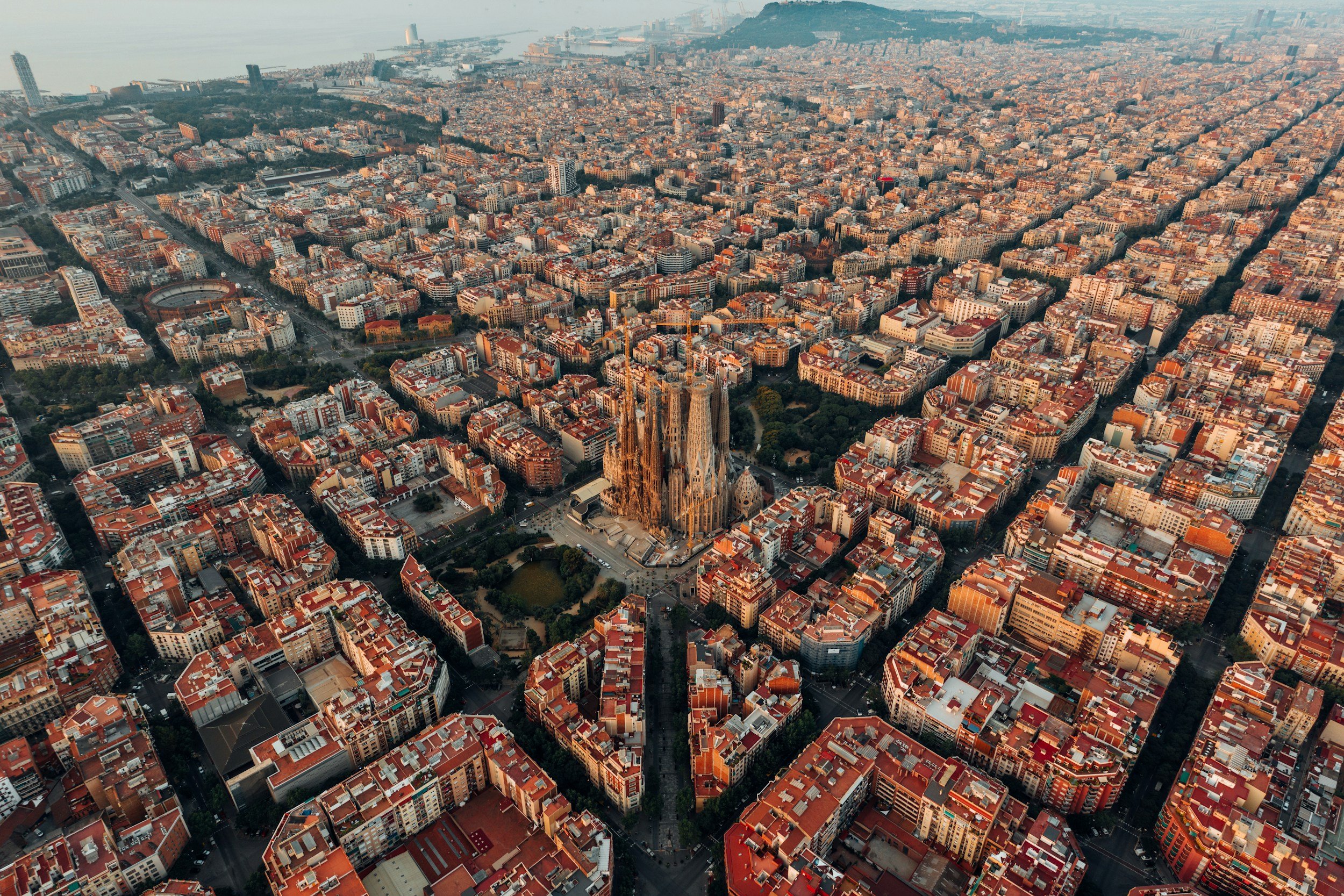
Spain
From the Xarel·lo slopes of Penedès to the palomino vineyards of Cádiz, discover Spain's natural wine vanguard: Cati Ribot, 4 Kilos, Clos Lentiscus, Muchada-Léclapart and the new Catalan wave rewriting Iberian viticulture
Beyond Rioja and Tempranillo
The Catalan revolution and Andalusian reinvention
Spain—historically defined by the heavy oak of Rioja and the industrial production of Sherry—is experiencing a natural wine revolution that bypasses the traditional power centers entirely. The movement is centered in Catalonia, where a generation of winemakers is reclaiming indigenous varieties like Xarel·lo and Sumoll from the shadow of Cava mass production, and in Andalucía, where young vintners are unfortifying Palomino and returning the Sherry region to table wine.
This guide focuses on twelve revolutionary producers defining this new Spanish canon. Cati Ribot crafts "Vino de Pueblo" from native Mallorcan grapes in Binissalem. 4 Kilos Vinicola (founded by musician Francesc "Xarango" Grimalt) makes "12 Volts"—Mantonegro from Felanitx with zero sulfur. Muchada-Léclapart (French-Chilean Léclapart in Cádiz) treats Palomino like Chardonnay, creating unfortified "Taberner" that redefines Sherry country. Cellar La Salada and Clos Lentiscus lead the Penedès resistance against Cava industrialism.
What defines Spanish natural wine is diversity—400+ indigenous grapes, from the flor-scented Palomino to the tart, red-fleshed Sumoll—and regional rebellion. These winemakers reject DO Cava regulations (forcing them to label "Spanish Sparkling Wine"), embrace ancestral methods (treading with feet in stone lagares), and recover abandoned vineyards on the fringes of appellations. The result is electric, often controversial wine: cloudy Xarel·lo, amber Sumoll, and saline Palomino that drinks like white Burgundy.
The Featured Twelve
- Cati Ribot: Mallorca native varieties
- 4 Kilos Vinicola: Mallorca natural pioneer
- Soca Rell Vinyovol: Penedès terruño
- Cellar La Salada: Xarel·lo masters
- Clos Lentiscus: Sumoll specialist
- Muchada-Léclapart: Cádiz revolution
- Wild Fermentation: Experimental collective
- Vega Aixalà: Conca de Barberà altitude
- Pinyolet Vinyaters: Penedès heritage
- Nini Vins: Empordà boundary-pusher
- Mas Guineu: Garraf massif
- Mas Candí: Font-rubí natural
From Roman Hispania to Cava Rebellion
Three millennia of Iberian viticulture
Phoenician & Roman Foundations
Phoenicians establish trading posts in Cádiz (Gadir) and Málaga, bringing vines. Greeks plant in Empúries (Empordà). Romans expand viticulture across Hispania—Tarragona (Tarraco) becomes major wine export center. The "Lagare" (stone trough for foot-treading) becomes standard. Amphora wines from Baetica (Andalucía) shipped throughout the Empire. Indigenous varieties like Xarel·lo and Sumoll likely develop from wild vines during this period.
Moorish Rule & Monastic Revival
Islamic rule (Al-Andalus) limits wine production but doesn't eliminate it—Christians and Jews continue viticulture. Sherry (Jerez) develops as fortified wine for export. The Reconquista brings Christian monasteries (Poblet, Montserrat) that preserve indigenous grapes. Mallorca's Binissalem region developed under Jaume I. Spanish explorers carry vines to the Americas (1492 onwards). The "conquest" establishes Spanish viticultural patterns in Chile, Argentina, and California.
Phylloxera & Cava Birth
Phylloxera devastates French vineyards; Spanish wine (especially Rioja) fills the gap. Cava invented in Penedès (Codorníu, 1872) using Champagne method but indigenous grapes (Macabeu, Xarel·lo, Parellada). Phylloxera reaches Catalonia in late 1890s. Many indigenous varieties abandoned in favor of grafted French hybrids or high-yield grapes. Sumoll nearly extinct by 1900.
Franco & Cooperatives
Franco's dictatorship emphasizes quantity over quality. State cooperatives dominate, especially in Catalonia and Rioja. Traditional methods (foot-treading, wild yeast) discouraged in favor of industrial efficiency. Indigenous varieties like Xarel·lo relegated to bulk Cava production. Sherry industrializes—fortification standardized, soleras mechanized. The "Spanish wine" brand becomes synonymous with cheap bulk exports.
Modernization & Rebellion
Spain joins EU (1986), bringing investment and modernization. Rioja Reserva/Gran Reserva categories dominate premium market. However, a counter-movement begins: René Barbier (Clos Mogador) in Priorat, then natural pioneers. 4 Kilos founded in Mallorca (2006) by Francesc Grimalt. Clos Lentiscus revives Sumoll. The "Brutal" wine movement (no rules, no appellations) emerges in Catalonia. First "natural wine" bars open in Barcelona (Bar Brutal).
The Catalan Wave & Andalusian Renaissance
Cati Ribot, Cellar La Salada, Mas Candí and others establish "Penedès Natural" as distinct from DO Cava. Muchada-Léclapart arrives in Cádiz (2015), treating Palomino like Grand Cru Chardonnay. "Vino de Pueblo" (village wine) and "Vino de Paraje" (single site) classifications emerge outside official DOs. Barcelona becomes natural wine capital of Southern Europe (Bar Brutal, Zona d'Ombra). Spanish natural wine explodes internationally—sumoll and palomino become cult varieties.
Penedès, Mallorca & Cádiz
The terroirs of the twelve
🍇 Penedès (Alt Penedès)
The heart of Catalan natural wine, southwest of Barcelona. Mediterranean climate with continental influence. Calcareous clay and limestone soils (terra rossa in some areas). Historic center of Cava production, now ground zero for natural wine rebellion. Cellar La Salada (Sant Martí Sarroca), Mas Candí (Font-rubí), Pinyolet Vinyaters (Vilafranca), Mas Guineu (Sant Pere de Ribes), and Soca Rell Vinyovol work here. Xarel·lo is king—thick-skinned, perfect for skin-contact orange wines. Sumoll (red) nearly extinct but revived by Clos Lentiscus. High altitude (500-800m) vineyards crucial for acidity.
🏝️ Mallorca (Binissalem)
Mediterranean island, mountainous interior. DO Binissalem established but many natural producers work outside it. Calcareous soils, hot summers, sea influence. Indigenous varieties: Manto Negro (red), Callet (red), Prensal Blanc (white), Giró Ros (pink). Cati Ribot works in Santa Maria del Camí and Binissalem. 4 Kilos in Felanitx (south). The island has unique "feixas" (terraced dry-stone walls) agricultural heritage. Very old vines (80+ years) of Manto Negro survive. Sea breeze (ponent) moderates heat. Natural winemakers embrace the island's isolation and unique varieties.
🌊 Cádiz (Jerez/Sanlúcar)
Andalucía's Sherry country—albariza (chalky white) soils, intense sun, Atlantic influence (poniente and levante winds). Historic center of fortified wine (Sherry, Manzanilla). Muchada-Léclapart revolutionizing the region by making unfortified table wines from Palomino and Tintilla de Rota. The albariza soil (40% calcium carbonate) gives unique salinity and freshness. Vines grown "en vaso" (bush vines) rather than on trellises. Very dry climate (600mm rain), relying on moisture-retaining albariza. The "naked" Palomino (without flor yeast or fortification) expresses pure Atlantic minerality.
⛰️ Conca de Barberà
Small DO west of Penedès, higher altitude (600-800m). Cooler climate, slate and limestone soils. Vega Aixalà works in Montblanc area. Sumoll and Trepat (indigenous reds) thrive here. The "Concencian" identity is distinct from Penedès—more mountain, less Mediterranean. Slate (llicorella) similar to Priorat but cooler. Natural winemakers here focus on elegance and acidity rather than power. Old vine Garnacha also found.
🌲 Empordà
Northeast Catalonia, bordering France (Roussillon). Mediterranean with tramontana winds. Granite and slate soils in mountains (Alt Empordà), sand near coast. Nini Vins works here. Grenache (Garnatxa) is king, but also Macabeu and Muscat. The "Costa Brava" wine culture is emerging from traditional bulk production. Strong French influence due to proximity. Natural winemakers focus on Garnatxa and Syrah blends with zero sulfur.
🌋 Garraf Massif
Coastal mountain range south of Barcelona (Sitges to Castelldefels). Limestone and dolomite soils. Mas Guineu works here. Cooler than inland Penedès due to sea influence. Xarel·lo and Malvasía de Sitges (aromatic white). The "Garraf" park is protected, with vineyards interspersed in forest. Unique microclimate with morning fog (boira) from sea. Natural winemakers emphasize the salinity and freshness of coastal Xarel·lo.
Producer Terroir Matrix
| Producer | Region | Soil | Key Grape | Specialty |
|---|---|---|---|---|
| Cati Ribot | Mallorca | Calcareous clay | Manto Negro | Vino de Pueblo |
| 4 Kilos | Mallorca | Limestone | Manto Negro | 12 Volts (zero sulfur) |
| Cellar La Salada | Penedès | Calcareous | Xarel·lo | Macabeu/Xarel·lo |
| Clos Lentiscus | Bitlles Valley | Limestone | Sumoll | Sumoll ancestral |
| Muchada-Léclapart | Cádiz | Albariza | Palomino | Unfortified Sherry |
| Vega Aixalà | Conca de Barberà | Slate/limestone | Sumoll | High altitude |
| Mas Candí | Penedès | Calcareous | Xarel·lo | Pet-nat |
The Featured Twelve
The vanguard of Spanish natural wine
Mallorca – Mediterranean Islands
Penedès – The Xarel·lo Resistance
Beyond Penedès – Conca, Empordà & Cádiz
The Grapes of the Twelve
Indigenous varieties reclaimed
Xarel·lo
Indigenous to Penedès (also grown in Mallorca as "Pansa Blanca"). Thick-skinned, late-ripening, high acidity. Traditionally used for Cava (with Macabeu and Parellada), but natural winemakers have reclaimed it as a single varietal. Perfect for skin-contact orange wines (amber color, tannic structure) and ancestral method pét-nat. Notes of green apple, fennel, Mediterranean herbs, and salinity. The thick skins contain resveratrol and other compounds that make it age-worthy. Cellar La Salada, Mas Candí, and Pinyolet make benchmark expressions. Can age 10+ years in bottle.
- Style: High acid, herbal, saline, tannic when skin-contact
- Natural Wine Role: Orange wine, pét-nat, amphora aging
- Top Producers: La Salada, Mas Candí, Pinyolet, Mas Guineu
- Regions: Penedès, Garraf, Mallorca
- Notable: Thick skins perfect for natural winemaking
Sumoll
Indigenous to Penedès and Conca de Barberà, nearly extinct by 1990s. Late-ripening, high acidity, red-fleshed (teinturier), with red berry and herb notes. Manel Aviñó (Clos Lentiscus) has led its revival. Makes light, tart reds (similar to Poulsard or Trousseau) that are best served chilled. Also makes "white" Sumoll (blanc de noir) and rosé. The grape is finicky—prone to coulure (poor fruit set)—which explains its near-extinction. But natural winemakers love it for its acidity and ability to express terroir without sulfur. Vega Aixalà also specializes in it.
- Style: Light, tart, red fruit, herbal, chillable
- Natural Wine Role: Carbonic, whole cluster, no sulfur
- Top Producers: Clos Lentiscus, Vega Aixalà
- Regions: Penedès, Conca de Barberà
- Notable: Nearly extinct, now cult variety
Manto Negro
Indigenous to Mallorca, planted since 13th century. The name means "black cloak"—dark skin but light juice (not teinturier). Makes pale, light reds (similar to Pinot Noir or Frappato) with notes of strawberry, Mediterranean herbs, and salt. Traditionally used for rosés, but 4 Kilos and Cati Ribot make serious reds from old vines (80+ years). The grape loves Mallorca's hot days and sea-cooled nights. Very low tannins, high acidity, perfect for natural winemaking without additions. Also used for "vins de pago" (single estate) wines.
- Style: Light, pale, strawberry, saline, herbal
- Natural Wine Role: Amphora, old vine, zero sulfur
- Top Producers: Cati Ribot, 4 Kilos
- Regions: Mallorca (Binissalem DO)
- Notable: 13th century origins, old vines survive
More Spanish Varieties in the Mix
Palomino: Sherry grape (Jerez) treated by Muchada-Léclapart like white Burgundy. Neutral aromatically, expresses albariza soil (saline, chalky).
Macabeu (Viura): Traditional Cava grape, floral, aromatic. La Salada and Mas Candí use it for pét-nat and blends.
Garnatxa (Grenache): Empordà and southern Catalonia. Nini Vins makes wild, rustic versions. Also used in field blends.
Callet: Mallorcan red, indigenous, light. Cati Ribot co-plants it with Manto Negro.
Prensal Blanc: Mallorcan white, also called "Moll." Saline, fresh. 4 Kilos makes "Ping FB" (orange wine) from it.
Trepat: Conca de Barberà indigenous—light red, high acid, floral. Vega Aixalà specializes in carbonic versions.
Tintilla de Rota: Rare red from Cádiz (Sherry country), nearly extinct. Muchada-Léclapart revives it.
Food Pairing & Catalan Cuisine
Pa amb tomàquet, calçots, and natural wine
For Xarel·lo (Orange & Pét-Nat)
- Pa amb tomàquet: Bread with tomato, olive oil, salt
- Calçots: Grilled spring onions with romesco sauce
- Escalivada: Roasted peppers and eggplant
- Fideuà: Noodle paella with seafood
- Anxoves: Anchovies from l'Escala
For Sumoll & Light Reds
- Butifarra: Catalan sausage (white and black)
- Fuet: Cured pork sausage
- Botifarra amb mongetes: Sausage with white beans
- Formatge de cabra: Goat cheese (Garrotxa)
- Pan con tomate: Simple, acidic, perfect match
For Mallorcan Wines
- Sobrassada: Mallorcan cured sausage (paprika)
- Pa amb oli: Bread with olive oil (Mallorcan)
- Tumbet: Vegetable gratin (potato, eggplant)
- Formatge de Mallorca: Local sheep cheese
- Frito mallorquín: Fried lamb with potatoes
For Cádiz (Palomino)
- Jamón ibérico: Bellota ham
- Almadraba tuna: Bluefin tuna from Cádiz
- Tortillitas de camarones: Shrimp fritters
- Pescaíto frito: Fried fish (Cádiz style)
- Salmorejo: Cold tomato soup
Catalan Wine Traditions
Calçotada: Winter feast of calçots (grilled onions) with romesco sauce and red wine (traditionally young, now natural Sumoll or Garnatxa). messy, communal, essential Catalan experience.
Vermut: Vermouth hour (12-2pm) in Barcelona. Natural wine bars now offer "Vermut Natural"—wine infused with local herbs (wormwood, cinnamon, citrus) rather than commercial vermouth.
Sobremesa: The after-meal conversation. Catalan meals are long, and natural wine (especially pét-nat or light reds) fuels hours of table talk.
Castellers & Wine: Human tower festivals always end with wine. The "pinya" (base) traditionally drinks red from porró (wine pitcher).
Festa Major: Neighborhood festivals where locals drink from porró (spouted wine pitcher) or "raconet" (wine in plastic cups). Natural wine collectives often provide the wine.
Brutal Wine: The "Brutal" label (started by Bar Brutal in Barcelona) indicates natural wine with no rules—cloudy, funky, often with volatile acidity. The twelve producers here define this aesthetic.
Visiting the Twelve
From Barcelona's bars to Mallorca's vineyards
🍇 Penedès & Barcelona
Base in Barcelona. Natural wine bars: Bar Brutal (essential), Zona d'Ombra, Bodega Salvatge. Day trip to Penedès (45 min): Cellar La Salada (Sant Martí Sarroca), Clos Lentiscus (Bitlles Valley—Manel Aviñó), Mas Candí (Font-rubí). Vilafranca del Penedès (capital) for lunch. Sant Sadurní d'Anoia (Cava capital, but visit for contrast). Combine with Sitges (beach town, Garraf wines).
🏝️ Mallorca
Base in Palma (capital) or Binissalem (wine village). Cati Ribot (Santa Maria del Camí—10 min from Palma). 4 Kilos (Felanitx—45 min southeast). Santa Maria del Camí market (Sunday). Serra de Tramuntana (mountains, UNESCO). Binissalem (DO town with cellars). Beach time: Cala Mesquida or Formentor. Very hot in summer—visit spring or fall.
🌊 Cádiz & Sherry Country
Base in Sanlúcar de Barrameda or Jerez. Muchada-Léclapart (Sanlúcar—visit by appointment). Tabanco El Pasaje (Jerez, for traditional sherry comparison). Cádiz city (ancient port, beach). El Puerto de Santa María. Bodegas Tradición (for art collection). Seafood in Sanlúcar (fried fish, prawns). Combine with Seville (1 hour) or Doñana (national park).
10-Day Natural Wine Itinerary
Day 1 - Barcelona: Arrive. Bar Brutal for dinner (natural wine temple). Overnight Barcelona.
Day 2 - Barcelona: Explore Gràcia and Poble-sec neighborhoods. Zona d'Ombra (vermut). Overnight Barcelona.
Day 3 - Penedès: Drive to Sant Martí Sarroca. Cellar La Salada tasting with Toni Carbó. Continue to Clos Lentiscus (Manel Aviñó). Overnight Vilafranca or Sitges.
Day 4 - Penedès/Garraf: Mas Candí (Font-rubí). Mas Guineu (Garraf coast). Beach afternoon. Overnight Sitges.
Day 5 - Conca de Barberà: Drive to Montblanc (medieval walled town). Vega Aixalà tasting. Overnight Montblanc.
Day 6 - To Mallorca: Morning flight Barcelona-Palma (45 min). Explore Palma Old Town. Overnight Palma.
Day 7 - Mallorca: Cati Ribot tasting (Santa Maria del Camí). 4 Kilos (Felanitx). Overnight Binissalem or Palma.
Day 8 - Mallorca: Serra de Tramuntana (mountain drive). Beach: Cala Mesquida. Overnight Palma.
Day 9 - Cádiz: Flight Palma-Seville, drive to Sanlúcar (1.5 hours). Muchada-Léclapart tasting. Seafood dinner. Overnight Sanlúcar.
Day 10 - Cádiz: Morning in Cádiz city. Return Seville for departure (or extend for Jerez sherry comparison).