

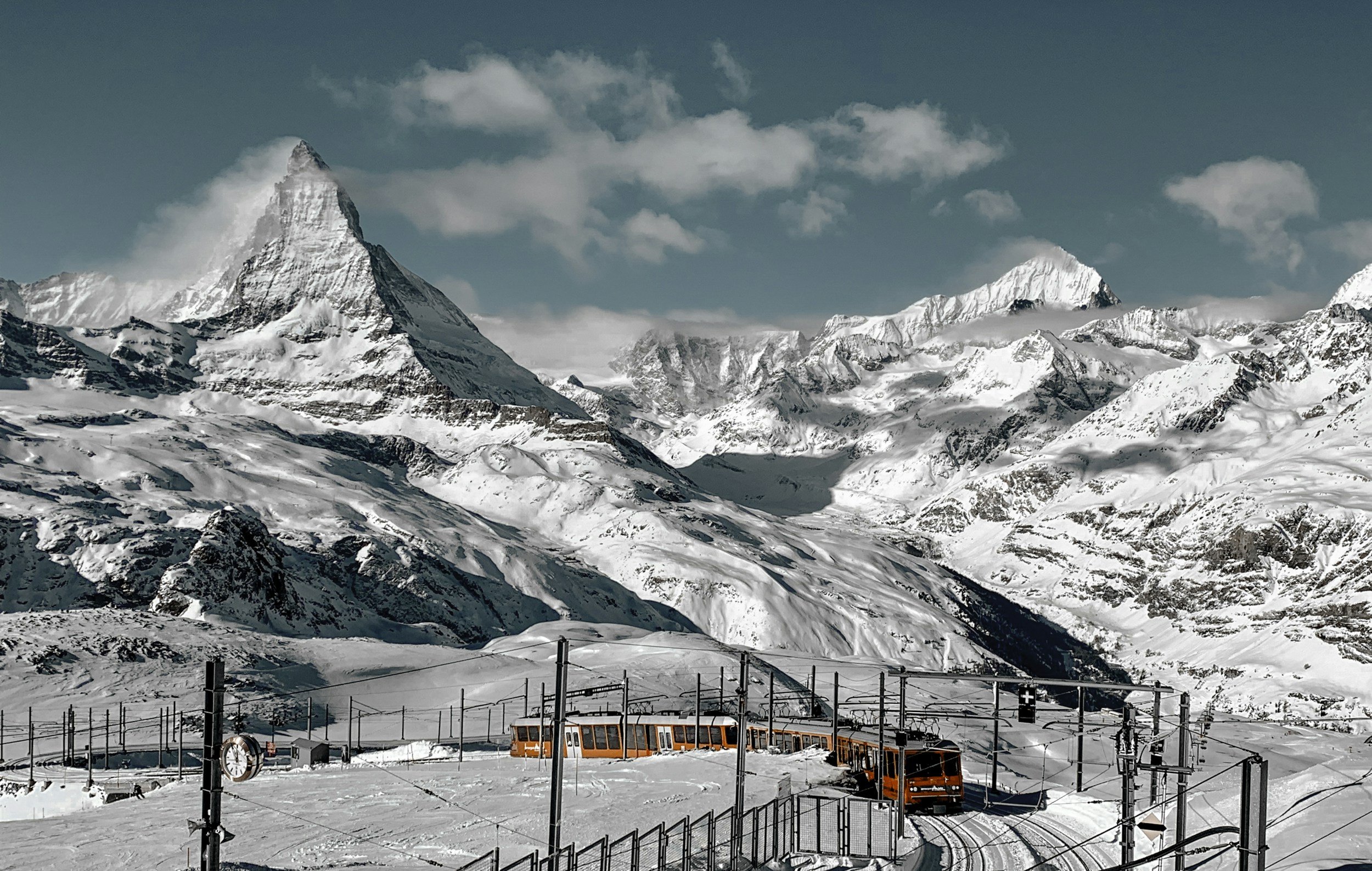
Switzerland
From Marie-Thérèse Chappaz's biodynamic heights to Clément Magliocco's natural revolutions in Valais, discover the young guardians of Swiss terroir: Christof Ruof, Timothée Place, and the new generation rewriting alpine winemaking
The Young Guard of the Alps
Precision anarchy in Europe's most vertical vineyards
Switzerland's natural wine movement is undergoing a generational renaissance. While the country maintains its reputation for watchmaking precision, a new wave of vignerons is embracing controlled chaos—farming impossible slopes biodynamically, fermenting with wild yeasts at altitude, and bottling without sulfur in cellars carved from glacial rock.
This guide focuses on nine revolutionary producers defining this new Swiss natural wine canon. Marie-Thérèse Chappaz—the matriarch and biodynamic pioneer—works vineyards so steep they require climbing gear, crafting crystalline Humagne and Amigne that express pure alpine mineral. Domaine de Beudon, accessed only by foot or monorail, represents the extreme of Swiss viticulture: organic farming at 45-degree angles on schist and granite.
The new generation—Clément Magliocco (Domaine du Chambet), Timothée Place, Christof Ruof, Lucas Madonia, Valentina Andrei, and the collective Cherouche—brings fresh energy, embracing zero-intervention methods while respecting indigenous varieties like Cornalin, Plant Robert, and the elusive Humagne Rouge. From Ticino's Mediterranean hills to Neuchâtel's Jura-adjacent limestones, these winemakers prove that Swiss natural wine is neither monolithic nor predictable.
The Featured Nine
- Marie-Thérèse Chappaz: Valais biodynamic icon
- Domaine de Beudon: Extreme altitude terracing
- Clément Magliocco: Domaine du Chambet, Valais
- Christof Ruof: German Swiss precision
- Timothée Place: Neuchâtel naturalist
- Lucas Madonia: Ticino boundary-pusher
- Valentina Andrei: Alpine elegance
- Cherouche: Collective project
- O Faya Farm: New wave experimentation
From Fin Bec to Natural Revolution
The evolution of Swiss alpine winemaking
The Biodynamic Awakening
Marie-Thérèse Chappaz takes over her family estate in Fully, Valais, and immediately begins converting to biodynamic farming—years before it becomes fashionable in Switzerland. Working the impossibly steep "Fin Bec" vineyards (named for the steep "fine beak" of the slope), she proves that rigorous organic farming can work even in extreme alpine conditions. Her early natural experiments face skepticism in a country that prized sterile precision.
The Beudon Legend
Domaine de Beudon establishes itself as the most inaccessible winery in Switzerland—located at 900 meters on slopes so steep that all work must be done by hand or monorail. The estate becomes a mecca for natural wine enthusiasts willing to make the treacherous climb. Their "Vin des Glaciers" and zero-sulfur Humagne set new standards for extreme terroir expression.
The Generation Shift
Young winemakers return from apprenticeships in the Jura, Beaujolais, and Austria, bringing natural wine philosophy back to Swiss soil. Clément Magliocco takes over family plots at Domaine du Chambet, immediately reducing interventions. Timothée Place begins experiments with unfined, unfiltered Pinot Noir in Neuchâtel. The "Swiss Natural" aesthetic—clean but alive—begins to differentiate itself from French counterparts.
O Faya & The Collective Spirit
O Faya Farm emerges in Valais as a collaborative project focusing on experimental techniques: amphora aging, extended skin contact for Amigne, and field blends of indigenous varieties. Around the same time, Cherouche—a collective of young vignerons—begins sharing resources and knowledge, breaking the traditional Swiss isolationist mentality. Natural wine bars open in Geneva, Lausanne, and Basel featuring these producers.
International Recognition
Christof Ruof gains acclaim for his precise yet wild expressions of Müller-Thurgau and Pinot Noir in German Switzerland. Lucas Madonia and Valentina Andrei bring Ticino into the natural wine conversation with Mediterranean-influenced zero-intervention wines. Swiss natural wine—once entirely consumed domestically—begins appearing on lists in Paris, Copenhagen, and Tokyo. The "Alpine Natural" style (high acid, crystalline, mineral) becomes distinct from Jura or Loire natural wine.
The Terroirs of the Nine
Valais extremes to Neuchâtel finesse
🏔️ Fully & Charrat (Valais)
Home to Marie-Thérèse Chappaz's Fin Bec estate and nearby Domaine du Chambet. South-facing slopes at 600-1,100m altitude. Steep terraced vineyards (45-60% gradient) on schist and granite. Continental climate with intense UV exposure due to altitude. Chappaz's vineyards are so steep they require permanent safety lines for workers. Indigenous varieties: Humagne Rouge/Blanche, Amigne, Cornalin. Glacial wind patterns create unique stress conditions.
⛰️ Beudon (Valais)
Located above Saillon, Domaine de Beudon sits at 900m on a natural amphitheater of granite and gneiss. Accessible only by foot via a steep mountain path (45-minute climb) or monorail. Complete isolation from road traffic or pollution. Extreme diurnal temperature shifts (20°C difference). Old vines (60+ years) of Humagne and Petite Arvine. The "Beudon" name comes from the local dialect for "beautiful valley."
🌊 Neuchâtel (Three Lakes)
Timothée Place works here near the Jura mountains. Limestone and marl soils (same geology as Jura). Continental climate with cold winters. Pinot Noir and Chasselas dominate, but Place experiments with the rare "Plant Robert" (indigenous red). The region is famous for "Öeil-de-Perdrix" rosé, but natural winemakers here favor whole-cluster fermentation and carbonic maceration. Proximity to France brings Jura influences—oxidative styles and flor interest.
🌲 German Switzerland (Ostschweiz)
Christof Ruof works in the Schaffhausen/Thurgau region near the Rhine. Shell limestone (muschelkalk) and glacial moraine soils. Cooler climate than Valais, requiring later-ripening varieties. Müller-Thurgau (invented here in 1882) and Pinot Noir (Blauburgunder) are specialties. Ruof's approach combines biodynamic precision with natural winemaking—gravity-fed cellars, native yeast, but obsessive cleanliness. The "Germanic" side of Swiss natural wine—order within chaos.
🌞 Ticino (Italian Switzerland)
Lucas Madonia and Valentina Andrei work in this Mediterranean canton south of the Alps. Granite and gneiss soils with distinctly Italian influence. Merlot dominates (85% of plantings), but natural winemakers seek out old vine Merlot and local varieties. Warmer climate allows for riper expressions, but alpine nights maintain acidity. The contrast to Valais is stark—here the wine has Mediterranean generosity while retaining alpine structure.
🌋 O Faya & Collective Sites
O Faya Farm works multiple small parcels across Valais, including some abandoned terraces being restored. "Cherouche" represents a nomadic approach—making wine from purchased grapes or shared vineyards across cantons, emphasizing the collective over the single estate. This represents the newest wave: flexible, collaborative, and terroir-focused rather than estate-bound.
Producer Terroir Matrix
| Producer | Region | Altitude | Soil | Specialty |
|---|---|---|---|---|
| Marie-Thérèse Chappaz | Fully, Valais | 600-1100m | Schist, granite | Humagne, Amigne |
| Domaine de Beudon | Saillon, Valais | 900m | Granite, gneiss | Vin des Glaciers |
| Clément Magliocco | Chambet, Valais | 550-800m | Limestone, schist | Cornalin, Humagne |
| Christof Ruof | Schaffhausen | 400-600m | Shell limestone | Pinot Noir |
| Timothée Place | Neuchâtel | 450m | Marl, limestone | Pinot Noir, Plant Robert |
| Lucas Madonia | Ticino | 300-700m | Granite, sand | Merlot, indigenous |
| Valentina Andrei | Ticino | 350-600m | Gneiss | Merlot, white blends |
The Featured Nine
Voices of the new Swiss natural wine
Valais – The Extreme Verticals
Ticino – The Mediterranean Alps
Neuchâtel & German Switzerland – Precision & Experiment
Collectives & Projects – The New Wave
The Grapes of the New Wave
Indigenous varieties reinterpreted
Humagne Rouge
Ancient variety possibly brought by Romans or indigenous to the Alps. Parentage linked to Aosta Valley's Petit Rouge. Thick skins, late ripening, naturally high acidity and tannins. DNA shows no relation to Humagne Blanche (unrelated white variety). The new generation (Chappaz, Magliocco) uses whole-cluster fermentation to emphasize its peppery, iron-like character. Natural versions show blood orange, alpine herbs, wild game, and distinct salinity. Can age 15+ years. Chappaz's zero-sulfur versions prove its stability without additives.
- Style: Medium to full, peppery, iron, wild herbs
- New Wave Approach: Whole cluster, carbonic, amphora
- Featured Producers: Chappaz, Beudon, Magliocco, Cherouche
- Key Sites: Fully, Saillon, Chambet
- Notable: "Medicinal" history (given to new mothers)
Cornalin
Called "Cornalin du Valais" to distinguish from Italian Cornalin (different grape). Indigenous to Valais, possibly from Aosta Valley. Deep color, high acidity, raspberry and pepper notes—similar to Syrah but lighter. Traditionally blended, now celebrated as single varietal by natural winemakers. The new wave uses carbonic maceration (Place, Madonia) to create fresh, chillable versions, or extended skin contact (O Faya Farm) for structure. Magliocco's "Cornalin Macération" shows its ability to handle 30+ days on skins without becoming heavy.
- Style: Medium body, pepper, raspberry, high acid
- New Wave Approach: Carbonic, long maceration, qvevri
- Featured Producers: Magliocco, Place, O Faya, Cherouche
- Key Sites: Chambet, Neuchâtel
- Notable: "The Swiss Pinot Noir" (but unrelated)
Amigne
Indigenous to Valais (town of Vétroz). Thick skins, small berries, high sugar potential. Traditionally made as sweet wine (Amigne de Vétroz with gold medals), but natural winemakers (Chappaz, O Faya) are creating dry, skin-contact versions that reveal its true potential. Shows honey, apricot, quince, and walnut when macerated. Chappaz's "Amigne de Fully" ferments on skins for 2 weeks, creating an amber wine with tannic structure that can age decades. The variety's natural resistance to oxidation makes it perfect for natural winemaking without sulfur.
- Style: Aromatic, honeyed, structured, age-worthy
- New Wave Approach: Extended skin contact (orange wine)
- Featured Producers: Chappaz, O Faya, Magliocco (pét-nat)
- Key Sites: Fully, Vétroz
- Notable: Perfect for qvevri and amphora aging
More Varieties in the Nine's Hands
Plant Robert: Nearly extinct indigenous red from Neuchâtel (related to Gamay). Timothée Place rescues 80-year-old vines, creating peppery, light reds with wild strawberry notes.
Petite Arvine: Premium white from Valais (not "petite" at all—full-bodied). Beudon makes zero-sulfur versions showing grapefruit and saline. Natural yeast brings out its wild side.
Humagne Blanche: Distinct from Humagne Rouge (unrelated). Rare white with low acidity, full body, honey notes. Chappaz produces tiny quantities—rich, unctuous, unusual for alpine whites.
Pinot Noir (Blauburgunder): Christof Ruof and Timothée Place treat it naturally—whole cluster, carbonic, no filtration—showing Swiss Pinot can be wild yet precise.
Merlot (Ticino): Lucas Madonia and Valentina Andrei prove Ticino Merlot need not be heavy. Carbonic maceration creates fresh, chillable reds; white Merlot (blanc de noir) experiments challenge conventions.
Müller-Thurgau: Christof Ruof's orange version (30-day skin contact) transforms this neutral workhorse into a structured, tea-like amber wine with apricot and walnut.
Food Pairing & Alpine Cuisine
Matching the new wave to mountain traditions
For Chappaz & Beudon Wines
- Valais dried beef: Viande séchée du Valais with Humagne Rouge
- Raclette: Traditional melted cheese with Amigne (cuts richness)
- Lamb from Alps: Herb-crusted with Cornalin
- Morels: Wild mushrooms in cream with Petite Arvine
- Cholera: Valais meat pie with pastry crust
For Ticino (Madonia, Andrei)
- Risotto: With saffron or porcini
- Polenta: With braised meats or gorgonzola
- Charcuterie: Ticino salami and mortadella
- Grilled fish: From Alpine lakes with white Merlot
- Bruschette: With tomatoes and olive oil
For Ruof & Place (Precision Reds)
- Cervelas: Traditional Swiss sausage
- Fondue moitié-moitié: With Ruof's Müller-Thurgau
- Fish from Rhine: Trout or whitefish with Pinot Noir
- Mushroom tart: With Plant Robert
- Soft cheeses: Vacherin, Époisses-style
For Skin-Contact & Orange Wines
- Smoked trout: From Valais rivers
- Strong cheeses: Alpkäse, aged Sbrinz
- Offal: Liver, kidneys (traditional Valais pairing)
- Spiced dishes: Moroccan or Indian influenced
- Walnut bread: Traditional rye with dried fruits
The Nine's Swiss Wine Traditions
Guillonne: Traditional Valais apéritif of wine (often Humagne) mixed with génépi (alpine herb liqueur). The new generation makes natural versions with foraged herbs.
Vendanges: Grape harvest is communal. O Faya Farm and Cherouche organize volunteer harvesting on abandoned terraces, reviving the tradition of mutual aid (entraide).
Caveaux: Wine cellars. Domaine de Beudon requires the pilgrimage hike—visitors earn their tasting. Chappaz offers "nights in the vineyard" during harvest.Brisolée: Autumn feast of roasted chestnuts, dried meats, and young wine. The nine producers organize collective brisolées featuring natural wines with traditional foods.
No Sulfur Rituals: Marie-Thérèse Chappaz bottles by lunar cycles; Christof Ruof uses Braille labels for accessibility; Timothée Place names cuvées after local geography. Each brings personal philosophy to tradition.
Visiting the Nine
Pilgrimages to alpine natural wine
🏔️ Valais Pilgrimage
Base in Martigny or Fully. Marie-Thérèse Chappaz: Visit by appointment ( tastings in the cellar with views of the Rhône Valley). Domaine de Beudon: The hike—45-minute vertical climb from Saillon (wear boots!) or arrange monorail. Bring picnic; taste "Vin des Glaciers" at altitude. Clément Magliocco: Domaine du Chambet accessible by narrow mountain roads. O Faya Farm: Pop-up tastings in Fully or Sion (check Instagram). Combine with Thermal baths (Ovronnaz or Leukerbad) for après-wine soaking.
🌊 Neuchâtel & Three Lakes
Base in Neuchâtel (beautiful lakeside city). Timothée Place: Visit cellar in outskirts (natural wine bar nearby). Explore Old Town (castle, collegiate church). La Maison du Paturage for cheese. Drive to Jura mountains (30 min) for comparison with French natural wine. Cherouche collective occasionally hosts events here. Combine with Bern (40 min) or Geneva (1 hour).
🌞 Ticino Escape
Base in Mendrisio or Lugano. Lucas Madonia and Valentina Andrei: Visit by appointment (Italian spoken, some French/German). Mediterranean vibe—palm trees, espresso, different from Germanic Switzerland. Castelgrande (Bellinzona castles, UNESCO). Lake Lugano boat trips. Cardada mountain for views. Combine with Milan, Italy (1 hour) or Lake Como (30 min).
7-Day "Nine Producers" Itinerary
Day 1 - Geneva to Valais: Arrive Geneva, train to Fully (2 hours). Evening tasting with Marie-Thérèse Chappaz (sunset over Rhône). Overnight Fully.
Day 2 - The Beudon Pilgrimage: Morning hike to Domaine de Beudon (depart early). Taste "Vin des Glaciers" at 900m. Return to valley, rest. Overnight Saillon or Fully.
Day 3 - Chambet & Sion: Visit Clément Magliocco at Domaine du Chambet. Afternoon: Sion (medieval town, Château de Tourbillon). Overnight Sion.
Day 4 - O Faya & Transfer: Morning pop-up or visit with O Faya Farm. Afternoon train to Neuchâtel (2.5 hours via Bern). Overnight Neuchâtel.
Day 5 - Neuchâtel: Visit Timothée Place cellar. Explore town, lake promenade. Collective tasting with Cherouche if available. Overnight Neuchâtel.
Day 6 - German Swiss: Train to Schaffhausen (1.5 hours). Visit Christof Ruof (limestone cellars, Rhine views). Afternoon: Rhine Falls (Europe's largest). Overnight Schaffhausen or Zurich.
Day 7 - Ticino (Optional Extension): Train through Gotthard Tunnel to Lugano (2 hours from Zurich). Visit Madonia and/or Valentina Andrei. Mediterranean dinner. Overnight Lugano or return to Milan/Zurich for departure.