

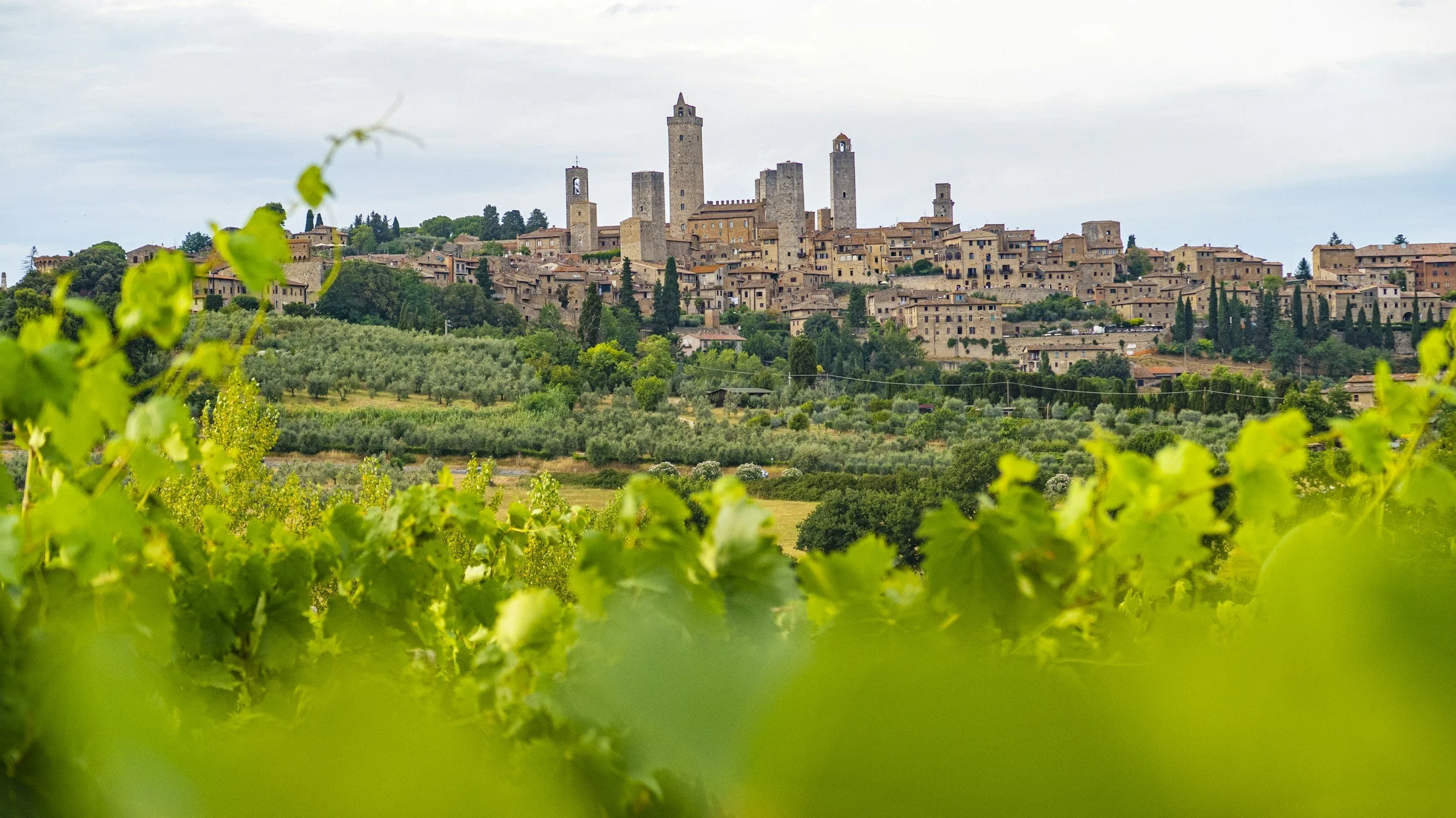
Tuscany
BEYOND SASSICAIA & ORNELLAIA
From the galestro hills of Chianti Classico to the wild Mediterranean macchia of Maremma, discover Tuscany's natural wine resistance—where Sangiovese sheds its industrial armor and ancient varieties reclaim the Terrazzo soils
The Renaissance of Tuscan Natural Wine
Where Etruscan tradition meets biodynamic revolution
Tuscany—the beating heart of Italian wine culture—has undergone a quiet revolution. While the world knows Chianti Classico and Brunello di Montalcino, a new generation of natural winemakers is rewriting the region's story. From the galestro soils of Chianti to the iron-rich clay of Montalcino, these producers are stripping away industrial techniques to reveal the pure expression of Sangiovese and ancient Tuscan varieties.
This guide focuses on the pioneers of Tuscan natural wine—producers who have rejected chemical farming and technological manipulation. Stella di Campalto of San Giuseppe crafts ethereal Sangiovese from biodynamic vineyards in Montalcino. Angelo Biondi Santi (Il Greppo) created the template for Brunello that natural winemakers now emulate. Podere Le Boncie (Giovanna Morganti) makes cult "Le Trame" from old-vine Sangiovese. La Stoppa (Elena Pantaleoni) preserves ancient varieties like Malvasia di Candia Aromatica and Ortrugo in Emilia-Romagna's borderlands.
What unites them is a commitment to indigenous varieties (Sangiovese, Canaiolo, Ciliegiolo, Colorino), biodynamic farming, and traditional winemaking (native yeast, long macerations, old barrels). These wines—often elegant, savory, and deeply terroir-driven—represent a Tuscany that is ancient, artisanal, and utterly distinct from industrial Super Tuscans.
Key Facts
- Location: Central Italy, Tyrrhenian coast
- History: 3,000+ years (Etruscan origins)
- Key Regions: Chianti Classico, Montalcino, Montepulciano, Bolgheri, Maremma
- Main Grapes: Sangiovese, Canaiolo, Ciliegiolo, Colorino, Trebbiano
- Method: Biodynamic, organic, traditional fermentation
- Style: Elegant, savory, high acid, terroir-driven
- Notable: Birthplace of Brunello and Chianti Classico
From Etruscan Amphorae to the Natural Wine Movement
3,000 years of Tuscan wine evolution
Etruscan Foundations
The Etruscans cultivate vines in the hills of central Tuscany, establishing the region's viticultural identity. They develop advanced pruning techniques and trade wine throughout the Mediterranean. Indigenous varieties like Sangiovese likely descend from wild vines selected during this period. The Etruscans bury amphorae in the ground for fermentation—techniques echoed today by natural winemakers using qvevri and clay.
The First Wine Laws
Cosimo III de' Medici, Grand Duke of Tuscany, issues an edict defining the boundaries of Chianti—one of the world's first wine appellations. The zone includes Radda, Gaiole, Castellina, and Greve. This establishes the concept of terroir-based wine production that would influence European wine law for centuries. The edict specifies that wines from these hills are distinct and superior.
Brunello is Born
Ferruccio Biondi Santi bottles the first "Brunello di Montalcino" at Il Greppo estate. He isolates a specific Sangiovese clone (Sangiovese Grosso) and ages it in large oak casks, creating a wine capable of decades of aging. This establishes the template for one of Italy's most prestigious wines. The Biondi Santi family maintains traditional methods—large casks, long aging, no small barriques—that natural winemakers celebrate today.
Baron Ricasoli's Formula
Baron Bettino Ricasoli codifies the "recipe" for Chianti: 70% Sangiovese, 15% Canaiolo, 15% Malvasia Bianca. While modern natural winemakers reject such rigid formulas, Ricasoli's emphasis on Sangiovese and indigenous varieties laid the groundwork for quality-focused production. The Ricasoli family continues to innovate while respecting tradition at Castello di Brolio.
The Super Tuscan Revolution
Pioneers like Mario Incisa della Rocchetta (Sassicaia), Piero Antinori (Tignanello), and Lodovico Antinori (Ornellaia) begin blending Sangiovese with international varieties (Cabernet, Merlot) and aging in new French barriques. These "Super Tuscans" revolutionize Tuscan wine quality but depart from indigenous tradition. Natural winemakers later react against this international style, returning to native grapes and traditional aging.
The Natural Renaissance
Stella di Campalto inherits San Giuseppe in Montalcino (1992) and immediately converts to organic, then biodynamic farming. She rejects the region's trend toward extraction and new oak, instead making elegant, transparent wines. La Stoppa (Elena Pantaleoni) shifts focus to ancient varieties. Podere Le Boncie (Giovanna Morganti) establishes her winery with old-vine Sangiovese. The "natural" movement takes root in Tuscany's hills, emphasizing terroir over technology.
Galestro, Alberese & Clay
The diverse terroirs of Tuscan natural wine
🏰 Chianti Classico
The historic heart of Chianti, between Florence and Siena. Altitude 200-800m. Two main soil types: galestro (friable, schistous clay) and alberese (hard, calcareous stone). Galestro produces elegant, aromatic wines; alberese gives structure and minerality. Home to Radda, Gaiole, Castellina, Greve. Cooler climate preserves acidity. Natural winemakers: Montesecondo, Le Boncie, Fontodi (conventional but respected). The Chianti Classico Gallo Nero (Black Rooster) symbol guarantees origin.
🌋 Montalcino
Hilltop town south of Siena. Brunello di Montalcino is 100% Sangiovese Grosso. Diverse soils: limestone, clay, sand, volcanic galestro. Higher altitude (300-600m) creates diurnal temperature swings. Stella di Campalto's San Giuseppe sits in the southeast, biodynamic since 1996. Biondi Santi's Il Greppo is the historical benchmark. The rosso di montalcino appellation allows for earlier drinking. Natural winemakers focus on transparency and elegance over extraction.
🌊 Maremma
Coastal region in southwestern Tuscany, once marshland drained by Mussolini. Warmer, Mediterranean climate. Bolgheri is famous for Super Tuscans (Sassicaia, Ornellaia), but natural winemakers work inland in Scansano (Morellino di Scansano DOCG) and Pitigliano. Ancient volcanic soils. Producers like Jacopo Biondi Santi (Jacopo Biondi Santi Tenuta) and Claudio Morelli make natural wines from Sangiovese and indigenous varieties. Wilder, less manicured than Chianti.
🍇 Montepulciano
Hill town southeast of Siena. Vino Nobile di Montepulciano (not to be confused with Montepulciano d'Abruzzo grape). Primarily Sangiovese (called Prugnolo Gentile here), with Canaiolo and Mammolo. Clay and sand soils. Avignonesi is the largest producer, but smaller natural producers like Salcheto (biodynamic, carbon-neutral) are gaining attention. The wines are often more approachable than Brunello but with similar structure.
🌾 Val d'Orcia
UNESCO World Heritage valley south of Siena. Crete senesi (clay hills) and distinctive cypress-lined roads. Part of the greater Brunello zone but includes areas for Rosso Orcia DOC. Podere Forte (biodynamic) and others work here. The landscape is iconic—rolling hills, wheat fields, and isolated farmhouses. The clay-limestone soils produce wines with marked minerality.
🏔️ Casentino & Beyond
Eastern Tuscany, mountainous and forested. Less known for wine but home to hidden natural producers. The Casentino valley has a cooler climate. Some producers here are reviving nearly extinct varieties. The Chianti Rufina sub-zone (northeast of Florence) is cooler and produces more acidic, age-worthy wines than Classico. Selvapiana is the benchmark producer here.
Key Natural Wine Regions
| Region | Climate | Soil | Natural Wine Character |
|---|---|---|---|
| Chianti Classico | Continental, altitude | Galestro, alberese | Elegant, acidic, mineral |
| Montalcino | Mediterranean, diurnal | Limestone, clay, sand | Structured, complex, age-worthy |
| Maremma | Mediterranean, coastal | Volcanic, sandy | Ripe, wild, approachable |
| Montepulciano | Continental | Clay, sand | Approachable, floral, earthy |
| Val d'Orcia | Continental | Clay-limestone | Mineral, pure, elegant |
The Featured Producers
The pioneers of the Tuscan natural wine renaissance
Montalcino – The Biodynamic Queens
Chianti Classico – The Heartland
Borderlands & Beyond – Ancient Varieties
Maremma – The Wild Coast
The Grapes of Natural Tuscany
Indigenous treasures of the Sangiovese renaissance
Sangiovese
The soul of Tuscan wine. Name derives from "sanguis Jovis" (blood of Jupiter). Two main clones: Sangiovese Grosso (Brunello, power) and Sangiovese Piccolo (Chianti, elegance). Thin-skinned, high acid, moderate tannin. Naturally suited to long aging. In natural winemaking, shows pure red cherry, violet, iron, and earth when not masked by new oak. Thrives on galestro and alberese soils.
- Style: High acid, moderate tannin, red fruit, earthy
- Natural Wine Role: Pure expression, no oak masking
- Top Producers: Stella di Campalto, Le Boncie, Pian Dell'Orino
- Regions: Chianti Classico, Montalcino, Montepulciano
- Notable: 10+ years aging potential in natural versions
Canaiolo
Traditional blending partner to Sangiovese in Chianti. Softens tannins and adds floral perfume. Lower in acid than Sangiovese. Historically important, now often replaced by international varieties in commercial wines. Natural winemakers (like Le Boncie) preserve it for complexity and tradition. Adds rose petal, red berry, and herbal notes to blends.
- Style: Soft, floral, perfumed, low tannin
- Natural Wine Role: Traditional field blends
- Top Producers: Le Boncie, Montesecondo
- Regions: Chianti Classico
- Notable: Once more planted than Sangiovese in Chianti
Ciliegiolo
Named for "ciliegia" (cherry) due to intense cherry aroma. Once dismissed as minor blending grape, now celebrated by natural winemakers. Light-bodied, high acid, bright red fruit. Grown in Chianti, Maremma, and Liguria border. Le Boncie includes it in field blends. Can make light, chillable reds or more serious wines depending on site. Natural versions are vibrant and juicy.
- Style: Light, cherry-scented, high acid
- Natural Wine Role: Field blends, light reds
- Top Producers: Le Boncie, Ampeleia
- Regions: Chianti, Maremma, Liguria
- Notable: Increasingly popular for chillable reds
More Tuscan Varieties
Colorino: Deeply colored blending grape used for color and structure. Rarely bottled alone. Le Boncie preserves it in field blends.
Foglia Tonda: Nearly extinct variety revived by natural winemakers. Adds spice and structure. Grown by Le Boncie.
Mammolo: Aromatic variety used in Vino Nobile di Montepulciano. Adds violet perfume to blends.
Trebbiano Toscano: Traditional white grape of Chianti. Makes light, acidic wines. Often blended with Malvasia for Vin Santo.
Malvasia Bianca: Aromatic white used in Vin Santo and traditional Chianti blends. Adds body and perfume.
Vermentino: Coastal white variety (more common in Maremma and Sardinia). Crisp, mineral, saline.
Food Pairing & Tuscan Cuisine
Sangiovese meets ribollita, bistecca, and pecorino
Pairings for Brunello & Aged Sangiovese
- Bistecca alla Fiorentina: T-bone steak, rare, with olive oil
- Pecorino Toscano: Aged sheep's milk cheese
- Wild boar ragù: Pappardelle al cinghiale
- Grilled lamb: Abbacchio scottadito
- Local match: Cinta Senese pork (heritage breed)
Pairings for Chianti Classico
- Ribollita: Hearty vegetable and bread soup
- Pappa al pomodoro: Tomato and bread soup
- White beans: Fagioli di Sorana
- Crostini: Chicken liver toasts
- Local match: Finocchiona (fennel salami)
Tuscan Wine Traditions
Fiasco is the traditional straw-covered bottle of Chianti, now mostly decorative but symbolizing the region's rustic heritage. Vin Santo is the traditional dessert wine—Trebbiano and Malvasia grapes dried on mats, fermented in small barrels (caratelli) for years, creating oxidative, nutty, caramel notes. Dip cantucci (almond biscuits) in it. Osterie are traditional taverns serving wine by the glass with simple food. The contadini (peasant) tradition values self-sufficiency—wine, olive oil, bread, and cheese from the estate. Biodynamic winemakers follow lunar calendars for planting, pruning, and bottling. The vendemmia (harvest) is still often done by hand in natural vineyards. Many estates offer agriturismo—farm stays where you live the wine life.
Visiting Natural Tuscany
From Chianti's cypress roads to Montalcino's hilltop town
🏰 Chianti Classico
Base in Gaiole, Radda, or Castellina. Visit Podere Le Boncie (Giovanna Morganti—appointment only, taste Le Trame). Montesecondo (Danilo Marcucci—taste Tïn amphora wines). Drive the Chiantigiana road (SR222) through vineyards. See Badia a Passignano (ancient abbey with winery). Eat at L'Osteria di Passignano or Bottega del 30. Combine with Siena (30 min) or Florence (45 min).
🌋 Montalcino
Base in Montalcino town or Castelnuovo dell'Abate. Visit San Giuseppe (Stella di Campalto—biodynamic pioneer, ethereal Brunello). Pian Dell'Orino (Federico & Laura Bianchi—precision biodynamics). See Sant'Antimo Abbey (Romanesque church surrounded by vines). Eat at Il Leccio or La Taverna di San Giuseppe. Combine with Bagno Vignoni (thermal baths) or Pienza (pecorino cheese town).
🌊 Maremma
Base in Massa Marittima or Scansano. Visit Ampeleia (Elisabetta Foradori & team—biodynamic, Mediterranean varieties). Jacopo Biondi Santi Tenuta (coastal Sangiovese). See Pitigliano (tufa town), Sorano, and Sovana (Etruscan ruins). Swim at Cala Violina. Eat wild boar dishes and Morellino di Scansano. Combine with Elba Island (ferry from Piombino).
10-Day Natural Wine Itinerary
Day 1 - Florence: Arrive. Explore city, visit Le Volpi e L'Uva (natural wine bar). Overnight Florence.
Day 2 - Chianti Classico: Drive south (1 hour). Visit Montesecondo (Danilo Marcucci). Podere Le Boncie (Giovanna Morganti). Overnight Gaiole in Chianti.
Day 3 - Chianti Classico: Visit Fontodi (if open) or smaller producers. Wine trail walking. Overnight Chianti.
Day 4 - Siena: Drive to Siena (30 min). Explore city, Palio history. Enoteca Italiana (wine tasting). Overnight Siena.
Day 5 - Montalcino: Drive south (1 hour). Visit San Giuseppe (Stella di Campalto). Sant'Antimo Abbey. Overnight Montalcino.
Day 6 - Montalcino: Visit Pian Dell'Orino. Montalcino town, fortress views. Overnight Montalcino.
Day 7 - Val d'Orcia: Drive through Pienza (pecorino tasting). Bagno Vignoni (thermal baths). Overnight Pienza.
Day 8 - Maremma: Drive west (1.5 hours). Visit Ampeleia. Pitigliano (tufa town). Overnight Massa Marittima.
Day 9 - Coast: Beach day at Cala Violina. Populonia (Etruscan site). Return to Florence (2 hours) or stay coast.
Day 10 - Florence: Final tastings, shopping. Departure.