

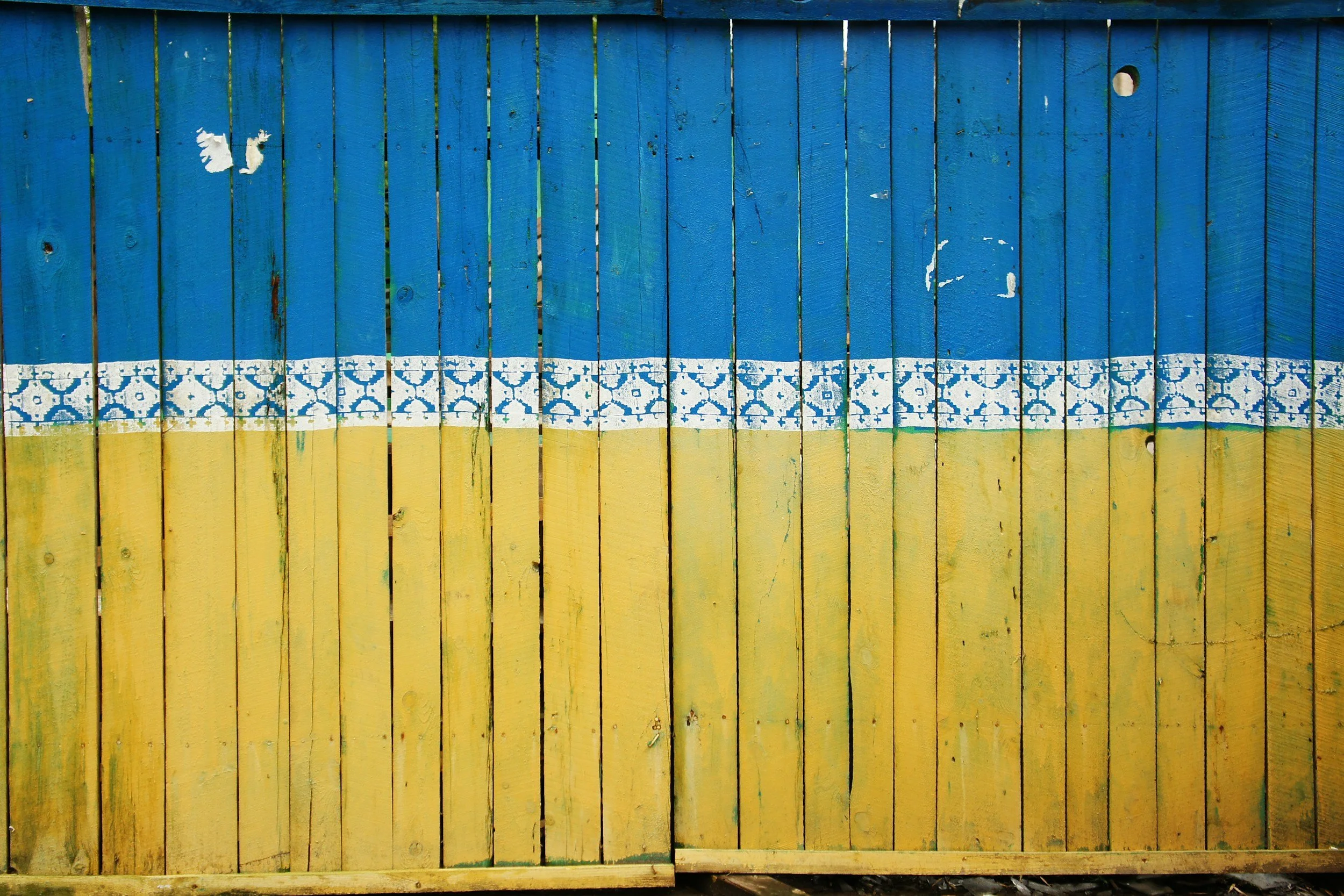
Ukraine
THE BLACK SEA RENAISSANCE
From the limestone cliffs of Bessarabia to the volcanic soils of Zakarpattia, discover Ukraine's natural wine revolution—where ancient Telti-Kuruk vines meet qvevri fermentation and survival becomes an act of terroir expression
Beyond Soviet Industrialization
When ancient amphorae meet wartime resilience
Ukraine—bordered by the Black Sea, carved by the Dniester and Danube, stretching from the Carpathian Mountains to the steppes—has one of Europe's oldest wine cultures, yet remains its most undiscovered. Greek colonists planted vines in Crimea and Odesa around 420 BC, establishing Chersonesus as a wine trading hub. Monks preserved viticulture through the Middle Ages, and 19th-century nobility (Prince Trubetskoy, Count Golitsyn) created sparkling wine estates that rivaled Champagne. Yet Soviet collectivization (1920s-1980s) reduced this heritage to industrial "portwine" and sweet mass-market products.
This guide explores the resurgence of Ukrainian natural wine—a movement born from the 2014 Revolution of Dignity and hardened by the 2022 full-scale invasion. Vladimir Gritsay (Beykush Winery, Mykolaiv) crafts Telti-Kuruk in qvevri meters from the frontline, his vineyards shelled but his resolve unbroken. Serhiy Shcherbak (Zakarpattia) revives Carpathian traditions with zero-sulfur Rkatsiteli. Olena and Serhiy Kulinichenko (Saffron) work with refugee winemakers in the Odesa hills. Dmytro Sydorenko (Chizay) explores volcanic terroirs near the Romanian border.
What distinguishes Ukrainian natural wine is resilience as terroir—winemakers vinifying in bomb shelters, shipping through war zones, and reviving indigenous varieties (Telti-Kuruk, Kobernyi, Tsitronyi) abandoned during Soviet standardization. The wines are often profound: amber Rkatsiteli with notes of dried apricot and walnut, Telti-Kuruk pet-nats that taste of Black Sea salt, Saperavi with the grip of Georgian mountains but the elegance of cool-climate precision. This is wine as resistance, history, and hope.
Key Facts
- Location: Eastern Europe, 44°N to 52°N latitude
- History: 2,400+ years (Greek colonies)
- Key Regions: Odesa, Zakarpattia, Mykolaiv, Kherson (occupied)
- Main Grapes: Telti-Kuruk, Saperavi, Rkatsiteli, Cabernet Sauvignon
- Method: Qvevri, wild ferment, no filtration, organic
- Style: Amber, oxidative, high acid, mineral
- Notable: Fastest growing natural wine scene in Europe
From Chersonesus to Chornobaivka
Two millennia of viticulture under threat
Greek Colonization
Milesian Greeks establish Chersonesus (modern Sevastopol, Crimea) and Tyras (Bilhorod-Dnistrovskyi), bringing vitis vinifera cuttings. Wine becomes currency—amphorae found across the Black Sea trace Ukrainian wine to Athens and Byzantium. Indigenous varieties likely domesticated from wild vines (Vitis sylvestris) during this period. The "Bosporan Kingdom" exports wine to the Roman Empire.
Baptism of Kyiv
Prince Volodymyr the Great adopts Christianity; wine becomes sacramental. Monasteries (Kyiv-Pechersk Lavra, etc.) preserve viticulture through Mongol invasions and Polish-Lithuanian rule. Indigenous varieties like Telti-Kuruk (meaning "white dog" in Turkic) documented in Bessarabia. Crimean Tatars develop dessert wine traditions. The steppes remain nomadic—wine concentrated in the south and west.
The Golden Age
Prince Lev Golitsyn establishes Novyi Svet (Crimea) sparkling wine using Champagne method. Count Mikhail Vorontsov plants Massandra vineyards. Ukrainian nobility (Trubetskoy, Yusupov) create estates rivaling European chateaux. Phylloxera arrives but is contained by sandy soils. The "Tavrida" region (Crimea) produces 40% of Russian Empire's fine wine. Odesa becomes wine trading port.
Soviet Industrialization
Collectivization destroys private vineyards; "Gigant" state farms plant high-yield hybrids (not vinifera). Focus shifts to sweet fortified wines ("Kagor," "Madera") and industrial juice. Indigenous varieties grubbed up in favor of Cabernet, Merlot, and Alicante Bouschet (for color). Massandra and Inkerman factories prioritize quantity. Natural wine traditions (qvevri, wild ferment) suppressed as "backward." Only "Doctor's Wine" (sweet dessert) widely available.
Independence & Confusion
Ukraine gains independence; privatization of state farms. Foreign investment (Pernod Ricard, etc.) focuses on brandy and sparkling wine. Small wineries emerge but copy international styles (oaked Cabernet, Chardonnay). Crimean wineries (Massandra, Inkerman) dominate exports. "Natural wine" concept unknown; "organic" merely marketing. Zakarpattia (Transcarpathia) maintains some pre-Soviet traditions due to Hungarian influence.
Revolution, War & Renaissance
2014: Russian annexation of Crimea (60% of Ukraine's wine industry lost overnight). Wineries in free Ukraine pivot to quality. Young winemakers study in Georgia (qvevri), Italy, and France. The "natural wine" movement explodes—partly economic (can't afford new oak/filtration), partly philosophical (return to roots). 2022: Full-scale invasion. Beykush Winery shelled; Shabo occupied; vineyards become minefields. Yet production continues—wine as resistance. Export markets open in solidarity. "Ukrainian natural wine" becomes symbol of cultural survival.
Bessarabia to Zakarpattia
Black Sea breezes and Carpathian heights
🌊 Odesa Oblast (Bessarabia)
Southwestern Ukraine, bordering Romania and Moldova (historical Bessarabia). Limestone cliffs, black earth (chernozem), and Danube delta influence. "Telti-Kuruk" homeland—indigenous white variety thick-skinned for humidity. Natural winemakers: Gritsay (Beykush, near Mykolaiv), Saffron (Olena Kulinichenko), Frumushika-Nova (Bulgarian community). Climate is maritime-influenced (Black Sea), protecting from extreme frost. Shell rock soils (coquina) give salinity. Historical "Shabo" region (partially occupied) was center of Swiss-German colonist wine culture. Qvevri buried in sandy soils.
⛰️ Zakarpattia (Transcarpathia)
Westernmost Ukraine, Carpathian Mountains, borders Hungary, Romania, Poland. Highest elevation vineyards (300-700m). Volcanic soils (andesite, basalt) in some areas; clay-loam in valleys. "Soviet Champagne" produced here historically, but also indigenous traditions. Natural winemakers: Shcherbak (Serhiy), Chizay (Dmytro Sydorenko). Cold winters (continental climate) require burying vines or extreme hardiness. Hungarian influence (Tokaj-style wines possible). Rkatsiteli and Saperavi thrive. "Beregovo" (Berehove) is wine capital.
🍇 Kherson & Crimea
Currently occupied by Russian forces. Historically crucial: Kherson steppes (Dnieper delta) for Cabernet and Merlot; Crimea (southern coast) for dessert wines. "Kokur" (white) and "Saperavi" (red) Crimean varieties. Massandra, Inkerman, Novyi Svet wineries—now under Russian control. Many winemakers evacuated; some stayed. This guide focuses on free Ukrainian territories, but acknowledges these regions' historical significance. Pre-2014, Crimea produced 60% of Ukrainian wine.
🌿 Mykolaiv & Dnipropetrovsk
Central-southern Ukraine, steppe zones. Beykush Winery (Vladimir Gritsay) located here—sandy soils near the Berezan estuary, wind from Black Sea. High risk during war (frontline area). Experimental region for "extreme" viticulture—winemakers work under artillery fire. Limestone subsoils. New plantings of Telti-Kuruk and Saperavi. Represents the "eastern frontier" of natural wine—resilience terroir.
🌸 Vinnytsia & Podolia
Central Ukraine, "Podolian Upland." Limestone caves ( used for aging). Historical center of sparkling wine (Soviet era). Emerging natural scene: smaller scale, often garage wineries. Climate is continental, challenging for organic farming (spring frosts). Strong agricultural tradition—farmers transitioning to natural wine. Less developed than Odesa/Zakarpattia but growing rapidly.
🏔️ Carpathian Highlands
Mountain valleys of Lviv, Ivano-Frankivsk, and Zakarpattia oblasts. Experimental zone—frost-resistant hybrids and some vinifera. Very small scale (garagiste). "Hutsul" ethnic minority traditions. Cold climate focuses on high-acid whites and light reds. Some qvevri experiments. Represents the "wild" edge of Ukrainian wine—unpredictable, rustic, but fascinating.
Regional Natural Wine Character
| Region | Climate | Soil | Natural Wine Character |
|---|---|---|---|
| Odesa (Bessarabia) | Maritime, moderate | Limestone, shell rock | Saline, mineral, amber |
| Zakarpattia | Continental, alpine | Volcanic, clay | High acid, smoky, precise |
| Mykolaiv | Steppe, windy | Sand, limestone | Resilient, salty, wild |
| Vinnytsia | Continental | Chernozem, limestone | Emerging, experimental |
| Crimea | Subtropical (occupied) | Crimean shale | Historical, currently inaccessible |
The Featured Producers
Vignerons of resilience
Bessarabia & Odesa – The Indigenous Guardians
Zakarpattia – The Carpathian Mystics
The New Generation – Kyiv & Lviv
The Grapes of Ukraine
Indigenous Telti-Kuruk and Georgian imports
Telti-Kuruk
Ukraine's signature indigenous white grape, grown in Bessarabia for millennia. Name means "white dog's tail" in Turkic (describing the vine's appearance). Thick-skinned, resistant to humidity and mildew, perfect for organic farming. Pinkish-gray skin allows for rosé or light orange wines. Natural winemakers use extended skin contact (3-6 months) creating "amber" wines with notes of apricot, sea salt, walnut, and dried herbs. Low alcohol (11-12%), high acid, saline minerality from limestone soils. Virtually unknown outside Ukraine until 2022; now exported as "liquid resilience."
- Style: High acid, saline, amber, textured
- Natural Wine Role: Qvevri amber, pet-nat
- Top Producers: Beykush, Saffron, Kostenko
- Regions: Odesa, Mykolaiv
- Notable: Nearly extinct, saved by natural movement
Rkatsiteli
Georgian variety brought to Ukraine in 1950s during Soviet "international" planting programs. Found perfect home in Zakarpattia's volcanic soils. Most planted white variety in Ukraine (ironically, not indigenous). Natural winemakers use traditional Georgian methods—qvevri buried underground, 6+ months skin contact, wild ferment. Creates deep amber/orange wine with high tannin, notes of orange peel, apricot, walnuts, and honey. Can age 10+ years in proper cellar conditions. The "bridge" between Georgian and Ukrainian natural wine culture—shared techniques, shared history.
- Style: Amber, tannic, high acid, oxidative
- Natural Wine Role: Qvevri, long maceration
- Top Producers: Shcherbak, Chizay, Gritsay
- Regions: Zakarpattia, Odesa
- Notable: Georgian roots, Ukrainian soul
Saperavi
Georgian red variety ("dye" in Georgian, referring to red flesh). Cold-hardy, disease-resistant, perfect for Ukrainian winters. Makes deep, dark, inky wines—"black wine." Natural winemakers use whole-cluster fermentation, carbonic maceration, or traditional qvevri. Flavors of black plum, blackberry, black pepper, and smoke. In Zakarpattia's volcanic soils, takes on graphite and mineral notes. Can be light (Beaujolais-style) or profound (Barolo-style) depending on treatment. Increasingly popular as "Ukrainian answer to Shiraz."
- Style: Dark, inky, high acid, spicy
- Natural Wine Role: Whole cluster, carbonic, qvevri
- Top Producers: Beykush, Shcherbak, Chizay
- Regions: All southern regions
- Notable: "Teinturier" (red flesh/juice)
More Ukrainian Varieties
Kokur (Sary Pandas): Crimean indigenous white (now rare due to occupation). Light, floral, similar to Muscat but less aromatic. Some plantings remain in Odesa.
Tsitronyi: "Lemon" variety from Zakarpattia—high acid, citrus notes, rare. Shcherbak makes a cult version.
Kobernyi: Indigenous red from Odesa, nearly extinct. Dark color, rustic tannins. Beykush attempting revival.
Cabernet Sauvignon: Most planted "international" variety (Soviet legacy). Natural winemakers use old vines (30+ years), whole cluster, concrete—creating lighter, herbaceous styles unlike Napa.
Aligoté: Planted in Zakarpattia by Hungarian settlers. Natural versions are Chablis-like—high acid, mineral, apple notes.
Sukholimansky: Soviet white hybrid (Telti-Kuruk x Riesling). Some natural winemakers experimenting with organic versions—can be interesting if yields controlled.
Food Pairing & Ukrainian Cuisine
Borscht, salo, and Black Sea fish
For Amber Telti-Kuruk
- Borscht: Beet soup (hot or cold) with sour cream
- Salo: Cured pork fat with garlic and black bread
- Pickled vegetables: Tomatoes, cucumbers, watermelon
- Black Sea fish: Grilled goby or mackerel
- Varenyky: Dumplings with potato or sauerkraut
For Saperavi
- Holubtsi: Stuffed cabbage rolls with meat
- Grilled pork: Shashlik (skewers) with adjika
- Blood sausage: With buckwheat and onions
- Beef stew: With prunes ( Zakarpattia style)
- Aged cheese: Bryndza or local hard cheeses
For Pet-Nat & Light Whites
- Deryuny: Potato pancakes with sour cream
- Okroshka: Cold kvass soup with vegetables
- Sprat sandwiches: On black bread with butter
- Green borscht: With sorrel and egg
- Fresh cheese: Syr with herbs
For Oxidative/Rustic Styles
- Mushroom dishes: Pickled or stewed forest mushrooms
- Kasha: Buckwheat with caramelized onions
- Smoked fish: Omul or herring from Zakarpattia
- Fermented cabbage: Kashа with kapusta
- Honey cake: Medivnyk with walnuts
Visiting Natural Ukraine
From Odesa cellars to Carpathian slopes
🌊 Odesa & Bessarabia
Fly to Odesa (international airport). Beykush Winery (near Mykolaiv—check security situation; currently near frontline, virtual tastings available). Saffron (Odesa Oblast, safer area). Frumushika-Nova (Bolhrad, Bulgarian village—tourism infrastructure). Odesa city: "Wine Bar 1853" (natural wine focus), catacombs (largest in world, wine stored here). Shabo (partially occupied—check status). Best visited in September-October (harvest). Avoid summer (too hot) and winter (cold).
⛰️ Zakarpattia (Transcarpathia)
Fly to Uzhhorod or train from Lviv (5 hours). Berehove (wine capital)—Shcherbak (appointment only, mystic experience), Chizay (estate visits). Thermal baths: Kosyno (wine + spa culture). Carpathian villages: Hutsul culture, mountain hiking. Safer than southern regions (far from frontlines). Lviv: "Khlebar" and "Wine Bar" serve Ukrainian natural wine. Best in late September (grape harvest festivals).
🌿 Kyiv & The North
Fly to Kyiv (Borispyl or Zhuliany). Kachur Winery (30km from city, check security). City wine bars: "The Wine List," "Bar Bare," "Win Bar"—all serve Ukrainian natural wine. Podil district: Hipster area with natural wine shops. Chernihiv/Sumy: Too dangerous currently (near Russian border). Kyiv is safe (air raid shelters available). Visit St. Sophia Cathedral then drink amber wine—cultural immersion.
Ukrainian Natural Wine Culture & Travel Tips
Safety: Check current travel advisories. Odesa and Zakarpattia are generally safe; Crimea and Donbas are occupied/war zones. Air raid sirens common—wineries have bomb shelters.
Solidarity Tastings: Many international wine bars (London, Berlin, Warsaw, New York) host "Drink for Ukraine" events featuring Beykush and Saffron. Buying Ukrainian wine directly supports the resistance economy.
Currency: Hryvnia (UAH). Cards accepted in cities; cash needed for rural wineries. Tipping 10% standard.
Language: Ukrainian (not Russian) preferred. Winemakers often speak English, Hungarian (Zakarpattia), or Romanian (Bessarabia).
Transport: Trains (Ukrzaliznytsia) are safe and efficient (Kyiv-Odesa, Kyiv-Lviv). Car rental possible but check insurance regarding war risks.
Etiquette: Toasting is serious business. "Budmo!" (Cheers) requires eye contact. Never refuse a toast—it's cultural. Natural wine often served in tumblers, not Riedel.
Export: You can bring 2-4 bottles per person in luggage. Beykush and Saffron ship internationally (check websites).
10-Day Natural Wine Itinerary (Current Conditions)
Day 1-2 - Lviv: Arrive Lviv (safe, far from front). Khlebar (natural wine bar). Old Town exploration. Overnight Lviv.
Day 3 - Zakarpattia: Train/car to Uzhhorod. Chizay winery visit. Thermal baths. Overnight Berehove.
Day 4 - Shcherbak: Shcherbak Winery (appointment—mystic qvevri experience). Hutsul village visit. Overnight Berehove.
Day 5 - Return Lviv: Drive/train to Lviv. Wine shopping. Overnight Lviv.
Day 6 - Fly to Odesa: Fly to Odesa (check flight availability). City center—Potemkin Steps, Opera House. Wine Bar 1853. Overnight Odesa.
Day 7 - Bessarabia: Drive to Bolhrad (check security). Frumushika-Nova (Bulgarian culture). Overnight Odesa.
Day 8 - Saffron: Visit Saffron Winery (Odesa Oblast). Meet refugee winemakers. Overnight Odesa.
Day 9 - Catacombs: Odesa Catacombs (wine storage history). Last wine purchases. Overnight Odesa.
Day 10 - Departure: Fly Odesa-international or return Kyiv for departure.
Note: Beykush (Mykolaiv) currently too dangerous for visits—support via online purchases.