

United Kingdom
THE ENGLISH NATURAL WINE REVOLUTION
From the chalk downs of Sussex to the volcanic soils of Cornwall, discover how British natural winemakers are redefining cool-climate viticulture with Bacchus, Solaris, and zero-sulfur sparkling wines—embracing biodynamics, hybrid grapes, and the pure expression of England's emerging terroir
The Cool Climate Revolution
Where English sparkling meets natural wine innovation
The United Kingdom—once considered too cold for quality viticulture—is experiencing a natural wine renaissance that is reshaping the global perception of British wine. As temperatures rise and seasons lengthen, England and Wales have become the fastest-growing wine region in Europe, with a new generation of winemakers rejecting conventional methods in favor of biodynamics, zero-sulfur winemaking, and experimental techniques.
This guide focuses on the pioneers of UK natural wine—producers who work with both classic Champagne varieties and disease-resistant hybrids. Ben Walgate (Tillingham) experiments with Korean Natural Farming and buried qvevri in East Sussex. Sophie Evans treats her Kent vines with lavender and fennel instead of chemicals. Hebron Vineyard in Wales operates with total zero intervention—no sprays, no additions, just "pure expression of place."
What unites them is a commitment to real sustainability in a challenging climate. From the chalk terroir of Sussex to the granite soils of Cornwall, these winemakers embrace hybrids like Solaris and Rondo, revive ancient techniques like tinajas (amphora), and prove that English wine can be natural, alive, and world-class.
Key Facts
- Location: Southern England & Wales, 50-52°N latitude
- History: Roman foundations, modern revival since 1950s
- Key Regions: Sussex, Kent, Cornwall, Hampshire, Wales
- Main Grapes: Bacchus, Pinot Noir, Chardonnay, Solaris
- Method: Biodynamic, zero sulfur, qvevri, wild ferment
- Style: High acid, mineral, textural, low ABV
- Notable: First UK Demeter biodynamic vineyard (Ancre Hill, 2008)
From Roman Vines to the New Wave
2,000 years of British wine evolution
Roman Foundations
Romans introduce viticulture to Britannia, establishing vineyards in the warmer southern regions. Archaeological evidence of vineyards found in Northamptonshire and Boxmoor. Wine production continues through the medieval period in monasteries.
The Fall
King Henry VIII dissolves the monasteries, destroying England's organized viticulture. The Little Ice Age (1300-1850) makes grape growing increasingly difficult. British wine production nearly disappears, replaced by imports from France and Portugal.
The Modern Revival
Commercial viticulture returns with pioneers like Hambledon Vineyard (1952) and Nyetimber (1988). Focus initially on Germanic crosses (Müller-Thurgau, Reichensteiner) and sparkling wine production. Climate warming makes southern England viable for Champagne varieties.
Biodynamic Firsts
Richard and Joy Morris establish Ancre Hill Estates in Monmouthshire, becoming the first certified biodynamic vineyard in the UK (Demeter certified). They introduce natural winemaking techniques including amphora aging and zero dosage sparkling wines to Britain.
The Natural Wine Explosion
Urban wineries like Renegade (London) and Gutter & Stars (Cambridge) bring natural wine to cities. Tillingham Wines experiments with Georgian qvevri. Black Mountain Vineyard converts to organic farming. Quatro Mustachios champions hybrid grapes. English natural wine gains international recognition.
The Hybrid Revolution
Climate change accelerates interest in disease-resistant hybrid varieties (Solaris, Rondo, Seyval Blanc) that require less spraying. Korean Natural Farming and regenerative viticulture take hold. UK natural wine becomes established in London's vibrant wine bar scene and beyond.
Chalk, Granite & Clay
The diverse terroirs of UK natural wine
🌊 Sussex
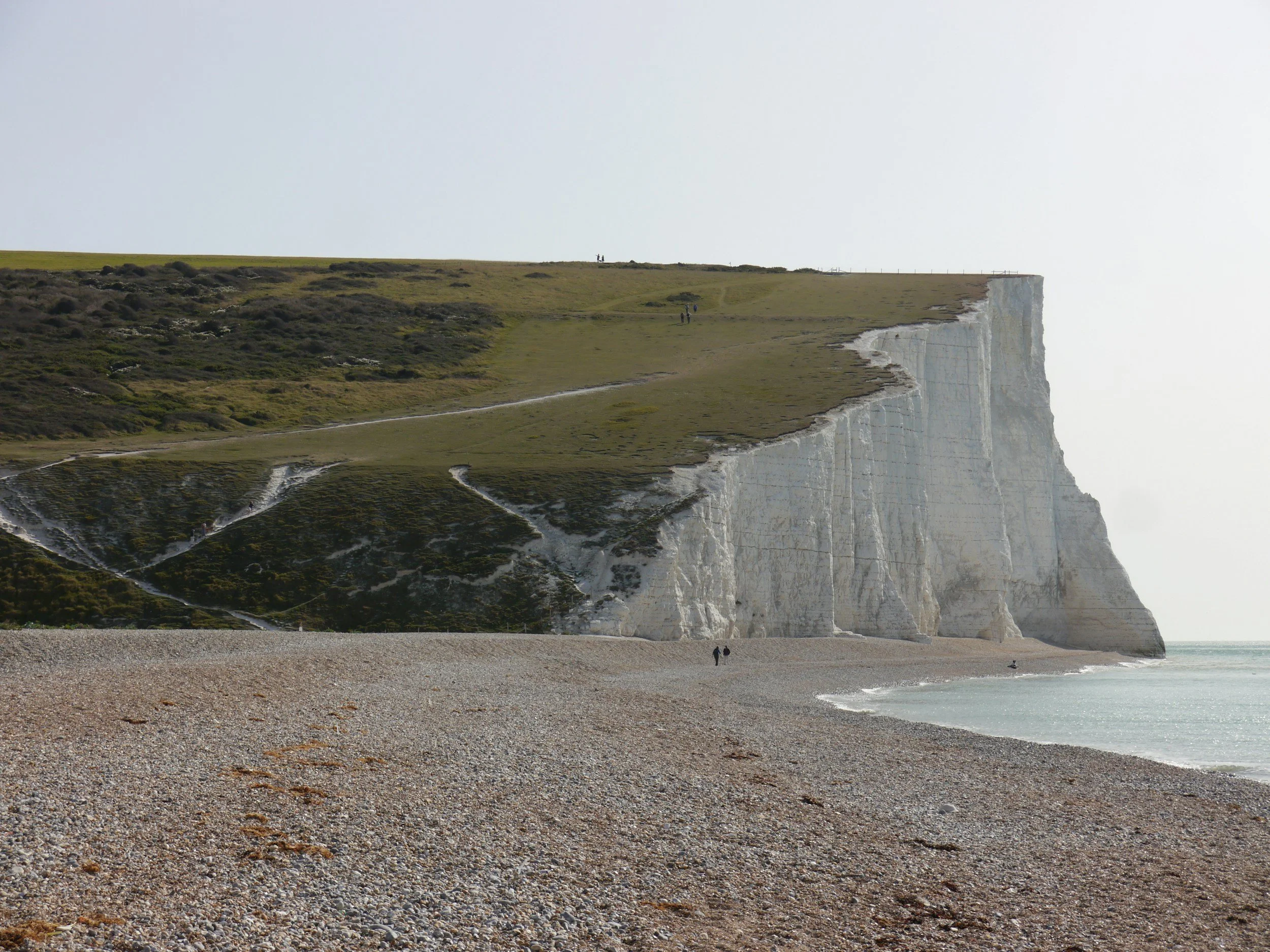
The heart of English wine with the country's first PDO (Protected Designation of Origin). Chalk soils identical to Champagne's Côte des Blancs. Home to Davenport, Tillingham, and many natural wine pioneers. Cool maritime climate with long growing seasons. Perfect for traditional method sparkling and textured still wines.
🌾 Kent
The "Garden of England" with chalky North Downs and clay soils. Warmest and driest region in the UK. Sophie Evans farms biodynamically here; Ham Street Wines makes field blends. Margate Wine operates as a negociant from this coastal county. Key for aromatic Bacchus and Pinot Noir.
🏴 Wales
Monmouthshire and Pembrokeshire lead Welsh natural wine. Ancre Hill Estates pioneered biodynamics here. Hebron Vineyard in Carmarthenshire is the UK's first fully regenerative, zero-intervention vineyard. Cool, wet climate favors early-ripening hybrids. Ancient seabed soils mixed with clay and limestone.
🌊 Cornwall
England's deep southwest with granite soils and Gulf Stream influence. Camel Valley and others benefit from mild winters. Thomas Lockwood makes pet-nats and experimental wines here. Coastal influence creates distinctive saline, mineral characters in wines.
🏔️ Herefordshire
Black Mountain Vineyard sits in the shadow of the Brecon Beacons. Mixed farming country with ancient soils. Mark Smith employs Korean Natural Farming techniques. Cool continental influence with significant diurnal temperature variation. Focus on hybrid varieties and zero-sulfur winemaking.
🌃 Urban Wineries
London, Cambridge, and Margate host "virtual vineyards" sourcing grapes from across the southeast. Renegade Wines in Bethnal Green produces critically acclaimed pet-nats. Numbers Wine in Hackney experiments with small-batch low-intervention wines. Gutter & Stars in Cambridge focuses on minimal intervention English wines.
Key Natural Wine Regions
| Region | Climate | Soil | Natural Wine Character |
|---|---|---|---|
| Sussex PDO | Cool maritime | Chalk, greensand | High acid, mineral, textured |
| Kent | Warmest UK | Chalk, clay | Aromatic, ripe, saline |
| Wales | Cool, wet | Limestone, clay | Pure, low ABV, hybrid-driven |
| Cornwall | Mild maritime | Granite, slate | Fresh, coastal, mineral |
| East Anglia | Driest UK | Chalk, gravel | Concentrated, still wine focus |
The Featured Producers
The pioneers defining UK natural wine
Sussex & Kent – The Engine Room
Wales & The West – Pioneers & Purists
Urban & Experimental – The New Wave
The Grapes of Natural Britain
Bacchus, hybrids, and cool-climate classics
Bacchus
A crossing of (Silvaner x Riesling) x Müller-Thurgau. England's answer to Sauvignon Blanc—herbaceous, aromatic, elderflower, and citrus. Thrives in cool climates. Natural winemakers love it for skin-contact orange wines and pet-nats.
- Style: Aromatic, high acid, herbaceous
- Natural Wine Role: Orange wine, pet-nat, raw expression
- Top Producers: Renegade, Davenport, Margate Wine
- Regions: Kent, Sussex, East Anglia
- Notable: Often compared to Sauvignon Blanc
Solaris
White hybrid developed in Germany (Merzling x Gm 6493). Early ripening, disease-resistant, needs minimal spraying. Citrus, apple, and herbal notes. Perfect for natural wine—Hebron Vineyard makes zero-addition amphora Solaris.
- Style: Crisp, citrus, apple, fresh
- Natural Wine Role: Zero sulfur, amphora, pure expression
- Top Producers: Hebron, Quatro Mustachios, Ancre Hill
- Regions: Wales, Herefordshire, Sussex
- Notable: No synthetic sprays needed
Pinot Noir
The heart of English sparkling wine. Early ripening, thin-skinned, challenging to grow. Makes elegant, light reds and world-class sparkling. Natural winemakers make zero-sulfur still Pinot with whole bunch fermentation.
- Style: Light, red fruit, earthy, elegant
- Natural Wine Role: Whole bunch, carbonic, zero sulfur
- Top Producers: Sophie Evans, Walgate, Domaine Hugo
- Regions: Sussex, Kent, Hampshire
- Notable: 50% of UK plantings
More UK Varieties
Rondo: Red hybrid (Zarya Severa x St. Laurent). Early ripening, dark color, disease resistant. Hebron Vineyard makes Natural Amphora Rondo Rosado. Used in blends for color and structure.
Seyval Blanc: French hybrid (Seibel 5656 x Rayon d'Or). Crisp, neutral, high acid. Perfect for traditional method sparkling with zero dosage. Quatro Mustachios experiments with it.
Chardonnay: Classic sparkling variety. Natural winemakers use it for zero-sulfur traditional method (Domaine Hugo) and skin-contact experiments (Ancre Hill).
Pinot Meunier: The "workhorse" of English sparkling. Natural producers make still rosé (Walgate) and field blends (Ham Street).
Reichensteiner: Early ripening white crossing. High yields, neutral flavor. Used in field blends and pet-nats for volume and freshness.
Ortega: Müller-Thurgau x Siegerrebe. Aromatic, peachy, low acid. Popular in English blends and natural wine experiments.
Food Pairing & British Cuisine
Natural wine meets Cornish seafood, Kentish produce, and Welsh lamb
Pairings for English Pet-Nats
- Fish & Chips: Classic seaside pairing with acidic pet-nats
- Oysters: Native Fal oysters with zero-dosage sparklers
- Soft Cheeses: Kentish brie, Cornish yarg
- Charcuterie: British cured meats and pork pies
- Local match: Sussex charcoal-grilled lobster
Pairings for Light English Reds
- Welsh Lamb: Herb-crusted with natural Pinot Noir
- Game: Pheasant, partridge in autumn
- Mushrooms: Wild foraged with whole-bunch reds
- Roast Beef: Sunday roast with light, earthy reds
- Local match: Romney Marsh lamb with Sussex reds
British Wine Traditions
English wine culture is experiencing a renaissance that extends far beyond the traditional afternoon tea. Wine bars like Terroirs (London), which introduced many UK winemakers to natural wine, have created a vibrant scene for low-intervention English wines. The traditional method sparkling wine remains the UK's flagship style, but natural winemakers are challenging conventions with zero dosage (no added sugar), disgorged wines, and col fondo (bottle-fermented cloudy sparklers). Orange wine—white grapes fermented on skins—has found a natural home in the UK, with Ancre Hill and others leading the charge. The hybrid revolution is reframing the conversation: varieties like Solaris and Rondo, once dismissed as inferior, are proving to be expressive and highly sustainable options for natural wine. From farmers markets in Kent to natural wine bars in Margate and London, English natural wine is becoming part of the culinary fabric—paired with local cheeses, seafood, and seasonal produce.
Visiting Natural Britain
From Sussex cellars to Welsh mountains
🌊 Sussex & Kent Circuit
Base in Rye or Tenterden. Visit Walgate Wines (Ben Walgate) in the WWII airplane hangar. Tillingham for biodynamic farming and qvevri. Davenport for organic sparkling. Sophie Evans in Ashford (by appointment). Ham Street for field blends. Combine with beach time in Margate and the Turner Contemporary.
🏴 Wales Adventure
Stay in Monmouth for Ancre Hill Estates—tour the biodynamic vineyards and taste orange wines from amphora. Drive west to Hebron Vineyard in Carmarthenshire for a regenerative farming tour (zero intervention, essential oil treatments). Visit the Preseli Hills. Combine with Pembrokeshire coastal walks.
🏙️ London & East Anglia
Start in London: visit Renegade (Bethnal Green railway arch) and Numbers Wine (Hackney). Shop at Highbury Library or Tivoli Wines for UK natural wine selection. Drive to Suffolk for Ark Wines (Stour Valley). Cambridge for Gutter & Stars. Combine with historical sites and East Anglian countryside.
7-Day Natural Wine Itinerary
Day 1 - London: Arrive. Dinner at natural wine bar (Terroirs, Noble Fine Liquor). Overnight Shoreditch.
Day 2 - Kent: Train to Ashford. Visit Sophie Evans (biodynamic vineyard, herbal treatments). Lunch at local pub. Visit Ham Street Wines. Overnight Rye.
Day 3 - Sussex: Morning at Walgate Wines (WWII hangar, qvevri tasting). Afternoon at Tillingham (biodynamic farm, restaurant). Overnight Rye or Camber Sands.
Day 4 - Sussex/Kent: Visit Davenport (organic pioneers). Afternoon in Margate—visit Margate Wine project, Turner Contemporary. Overnight Margate.
Day 5 - Wales: Drive to Monmouthshire (3 hours). Ancre Hill Estates (biodynamic, orange wine, zero dosage). Overnight Monmouth.
Day 6 - Wales: Drive to Hebron Vineyard (2 hours). Regenerative farming tour, zero-intervention tasting. Preseli Hills walk. Overnight Carmarthen or return to Monmouth.
Day 7 - Return: Drive back to London or Bristol. Final tastings. Departure.