Beneath the Bubbles: Champagne’s Harvest Faces Reckoning Over Worker Exploitation
As the year draws to a close, Champagne sales surge. From Christmas dinners to New Year’s Eve countdowns, the iconic sparkling wine remains synonymous with celebration, luxury, and joy. Yet behind the clink of glasses lies a far less festive reality—one that has cast a shadow over France’s most famous wine region.
In recent years, the Champagne industry has been shaken by allegations of worker exploitation, human trafficking, and even fatal labor conditions. These revelations have exposed deep systemic weaknesses in how the region’s vast seasonal workforce is recruited, housed, and protected.
A Massive—and Vulnerable—Seasonal Workforce
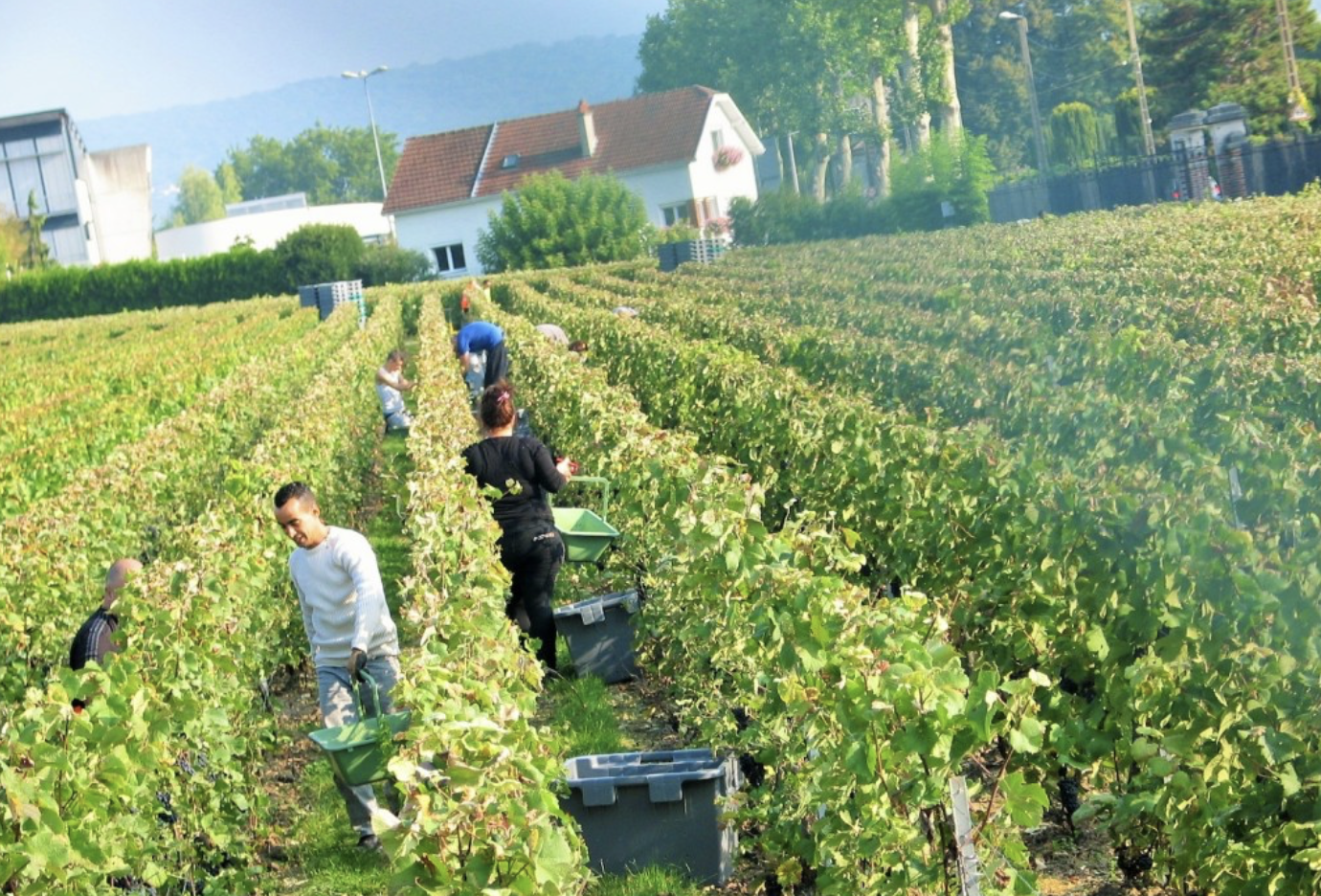
Each autumn, the Champagne harvest mobilizes an enormous labor force. Around 120,000 seasonal workers, known locally as vendangeurs, descend on northeastern France to harvest grapes across 34,000 hectares of vineyards. The harvest window is short—just two to three weeks—creating intense pressure to work long hours at a relentless pace.
Many of these workers are among the most vulnerable in Europe’s labor market. They include foreign nationals, undocumented or precariously documented migrants, and individuals recruited through subcontractors or temporary employment agencies. This structure, critics argue, has created the perfect conditions for abuse.
The “Harvest of Shame”
The industry’s darker underbelly came into sharp focus during the 2023 harvest, when a late-summer heatwave swept across France. Amid extreme temperatures, at least four migrant grape pickers died while working in Champagne vineyards.
French media soon dubbed the tragedy the “harvest of shame.” Public outrage followed, prompting investigations that uncovered a disturbing pattern of labor violations: excessive working hours, wages below the legal minimum, inadequate access to water and shade, poor safety oversight, and unsanitary, overcrowded housing.
In the summer of 2025, three individuals appeared before a criminal court in Châlons-en-Champagne, accused of human trafficking and the exploitation of more than 50 West African migrant workers during the 2023 harvest. Victims told the court they were treated “like slaves” and “like animals,” describing living conditions without sanitation or potable water.
French labor inspectors concluded that the conditions had “seriously compromised the safety, health and dignity of workers.” The defendants—linked to an employment agency supplying labor to Champagne producers—were convicted and handed prison sentences and fines.
Subcontracting Under Scrutiny
The trial reignited scrutiny of Champagne’s heavy reliance on subcontractors and labor intermediaries. Trade unions argue that this system allows producers to distance themselves from illegal practices while still benefiting from cheap, poorly regulated labor.
As one prosecutor warned during the case:
“We cannot accept that behind a bottle of Champagne lies uncontrolled subcontracting and blatant mistreatment.”
Unions say that claims of ignorance are no longer credible in an industry built on such a vast and complex labor network.
An Industry at a Crossroads
The scandal has struck Champagne producers at a particularly sensitive moment. Recent harvests have already tested the industry: extreme heat in 2023, frost and heavy rain in 2024, and only in 2025 did conditions stabilize enough to produce a high-quality vintage.
While the 2025 harvest was widely praised, reputational damage from labor abuses has proven far harder to repair.
Promises of Reform—and Lingering Doubts
In response, the Comité Champagne, which represents more than 16,000 winegrowers, 130 cooperatives, and 370 Champagne houses, pledged a policy of “zero tolerance” toward labor abuses.
Co-presidents David Chatillon and Maxime Toubart were unequivocal:
“You don’t play games with the health and safety of seasonal workers. Nor do you play games with the image of our appellation.”
The organization launched the “Together for the Champagne Harvest” initiative, promising stronger health and safety protocols, improved housing standards, tighter regulations, and greater oversight of labor recruitment.
Some producers have made visible investments. Moët & Chandon, part of LVMH and the world’s largest Champagne producer, invested €1.5 million in new accommodation in 2024, expanding housing capacity for seasonal workers to 1,900 beds.
Yet questions remain about how consistently reforms are being applied across the region. At the time of publication, requests for comment from trade unions and confirmation from the Comité Champagne on enforcement progress went unanswered.
Economic Pressures Mount
Labor scandals are not the industry’s only challenge. Champagne producers are also facing economic headwinds, including a slump in shipments to the United States—a key export market—following the introduction of new American tariffs on EU goods. With sales figures due in January, the financial outlook remains uncertain.
The Cost of Celebration
For generations, Champagne has embodied luxury, craftsmanship, and celebration. But the recent scandals have forced a reckoning with an uncomfortable truth: that, at times, the sparkle in the glass has been built on human suffering.
Whether the industry’s promised reforms will be enough to restore trust—among consumers, regulators, and workers themselves—remains an open question. What is clear is that the future of Champagne depends not only on the quality of its vintages, but on the dignity of the people who harvest them.