Is India the Next wine Frontier ?
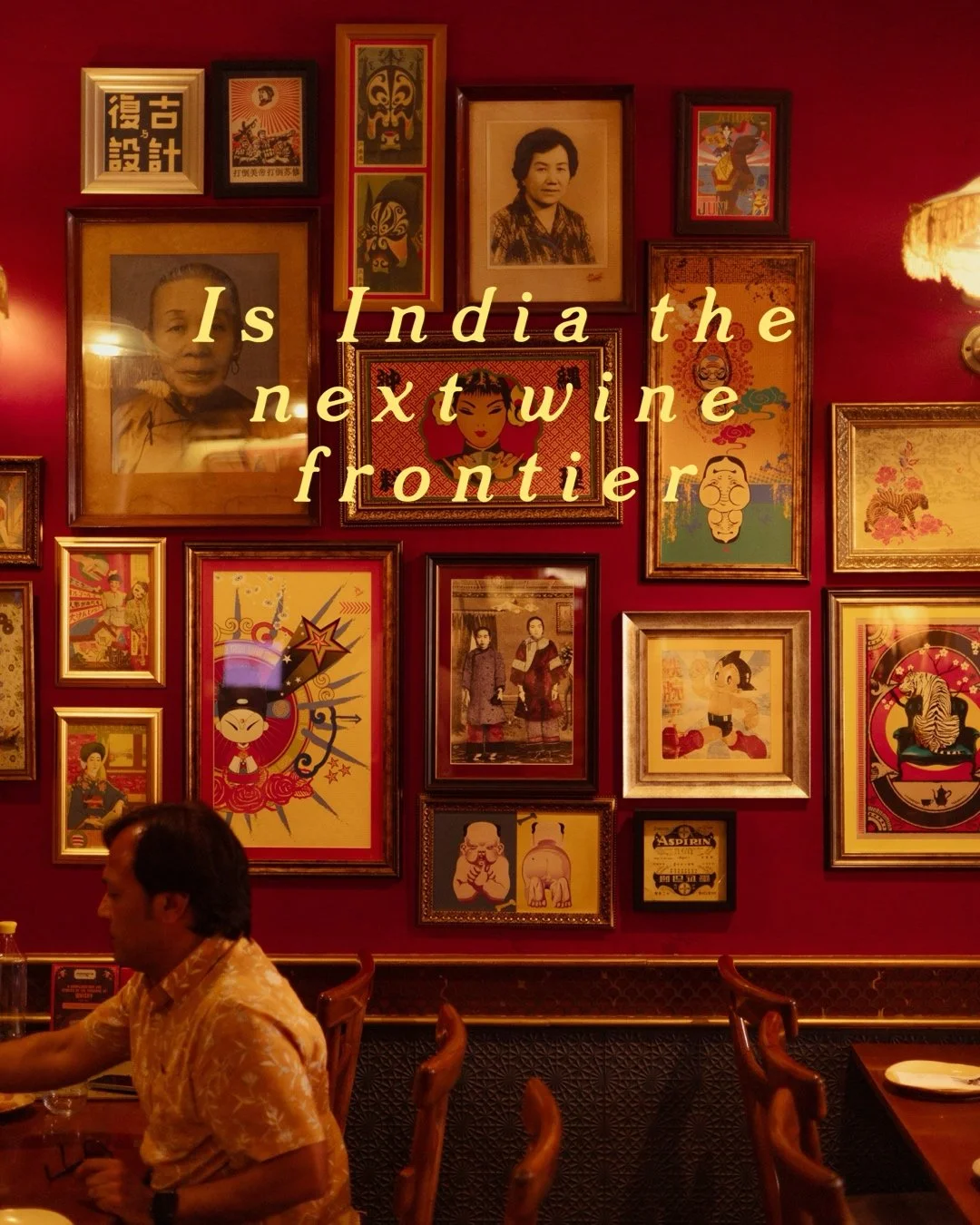
Why the India–EU FTA Could Be a Turning Point for India’s Wine Culture
India may be on the brink of becoming the next major wine growth market in Asia. After Thailand slashed tariffs on imported wine last year and saw renewed momentum, India’s newly concluded trade agreement with the European Union could mark a similar inflection point—this time on a much larger scale.
The India–EU Free Trade Agreement (FTA), finalised after nearly two decades of negotiations, has been widely welcomed by industry bodies as a historic step for the country’s alcoholic beverage sector. Under the deal, import duties on premium European wines priced above 2.5 euros will fall sharply—from 150% to as low as 20%— Wines below the threshold will receive no concessions, a safeguard designed to protect domestic producers from cheap imports.
India may be on the brink of becoming the next major wine growth market in Asia. After Thailand slashed tariffs on imported wine last year and saw renewed momentum, India’s newly concluded trade agreement with the European Union could mark a similar inflection point—this time on a much larger scale.
The India–EU Free Trade Agreement (FTA), finalised after nearly two decades of negotiations, has been widely welcomed by industry bodies as a historic step for the country’s alcoholic beverage sector. Under the deal, import duties on premium European wines priced above 2.5 euros will fall sharply—from 150% to as low as 20%— Wines below the threshold will receive no concessions, a safeguard designed to protect domestic producers from cheap imports.
Expected to be implemented in 2026, the agreement broadly aligns with India’s trade arrangements with Australia and New Zealand, though with stricter pricing thresholds. Industry groups say this balance of access and protection is key: it opens the door to high-quality European wines while shielding most domestic players and limiting dumping risks.
But the real story goes beyond tariffs.
A Lifestyle Shift Is Already Underway
On Friday evenings across India’s major cities, nightlife is changing. Loud nightclubs are no longer the default. Instead, people are gravitating toward wine bars, bistros, and relaxed neighbourhood spaces built for conversation, food, and unhurried drinking.
This shift is being driven by India’s growing urban middle class—younger, more globally exposed, and increasingly focused on balance and experience over excess. Drinking today is less about volume and more about intent, and wine fits neatly into this evolving lifestyle.
For many young professionals, wine has become part of everyday social life: a glass after work, a date-night staple, or something shared over small plates with friends. It feels aspirational without being intimidating, especially as bars and restaurants expand wine-by-the-glass offerings and introduce lighter styles and sparkling wines that suit early evenings and casual occasions.
Why the FTA Matters Now
India’s wine market remains relatively small—around 3 million cases annually, with imports accounting for roughly 20%, largely from Australia and Europe. Premium imported wines are still niche, in part because high duties have kept prices out of reach for many consumers.
Lower tariffs could change that dynamic. Industry bodies believe more accessible pricing will encourage trial, broaden consumer exposure, and gradually build wine culture without disrupting domestic producers. Over time, increased competition may also lift quality standards across the local industry.
What’s notable is that this demand isn’t confined to metros alone. Wine-led experiences are slowly spreading into tier-2 cities, where a new generation of middle-class consumers is seeking modern dining, global flavours, and social spaces that feel contemporary yet approachable.