The Great Wine Reckoning: Europe's Vineyards Face a "Structural Shift" as Demand Plummets
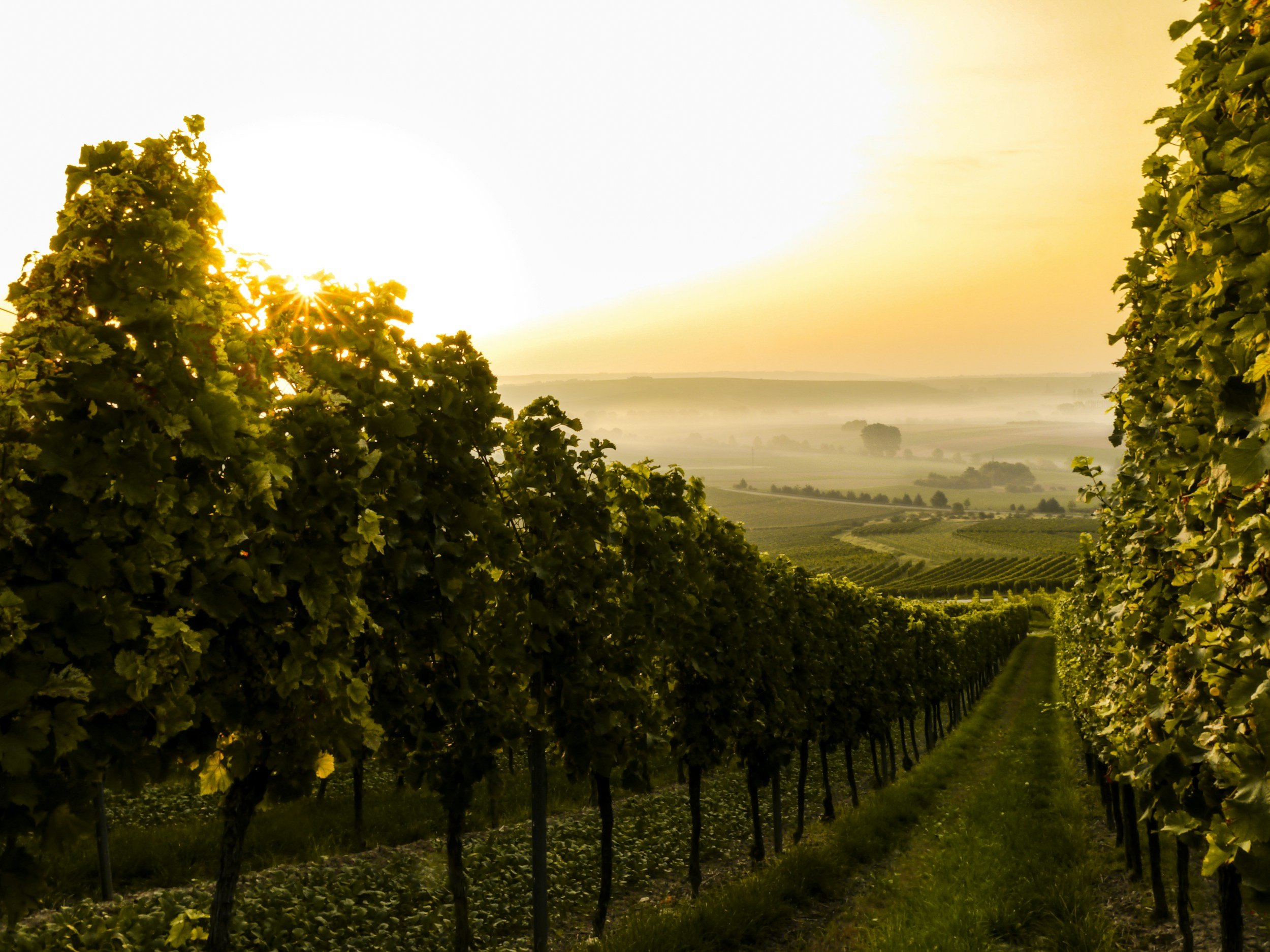
Europe's ancient vineyards are at a crossroads, navigating a crisis far deeper than mere economic fluctuation. What began as a slump has matured into a full-blown "structural shift," forcing governments and winemakers to make unprecedented, and often heartbreaking, decisions.
As of early 2026, the global wine industry is grappling with its lowest consumption rates since the 1960s. This isn't just about unsold bottles; it's about uprooted vines, changing landscapes, and a profound re-evaluation of how wine is produced and consumed.
France Leads the Charge: "Grubbing Up" for Survival
Nowhere is this crisis more acutely felt than in France. The French government, backed by the EU, has moved beyond emergency aid to a more radical solution: paying winemakers to destroy their vineyards. The €130 million "grubbing-up" scheme, officially launched this January, aims to remove a staggering 32,500 hectares of vines by the end of 2026.
Growers receive €4,000 per hectare to permanently remove their vines, with a strict 10-year ban on replanting. The regions of Languedoc, Bordeaux, and the Rhône Valley have seen the highest demand for this scheme, signaling the desperate need for change. In Bordeaux, whispers suggest as much as 20% of vineyards could vanish this year, as the region desperately tries to pivot towards more market-friendly white and sparkling wines.
The EU's "Wine Package": A Multi-Pronged Approach
The European Union's comprehensive "Wine Package," approved in late 2025, underscores the severity of the situation. It’s a strategy built on adaptation:
NoLo Wines Go Mainstream: Recognizing the shift in consumer habits, the EU now allows simplified labeling for No-Alcohol (0.0%) and Low-Alcohol (NoLo) wines. This move acknowledges that the future of wine might involve less alcohol, catering to the growing "mindful drinking" trend.
Beyond the Bottle: Funds are being redirected to support wine tourism and the conversion of excess wine into industrial ethanol. The days of simply subsidizing unsold stock are over; diversification is key.
Climate & Commerce: Despite some of the lowest harvests in 70 years due to extreme weather in 2024 and 2025, prices haven't soared. Why? Because demand is falling even faster than supply.
Why Are We Drinking Less Wine? The "Great Wine Reckoning" Unpacked
Analysts point to three intertwined factors driving this unprecedented decline:
The Health Imperative: "Dry January" has evolved into a year-round commitment to "mindful drinking" for many. Younger generations, particularly Gen Z and Millennials, are increasingly opting for spirits, hard seltzers, or the burgeoning NoLo category.
Economic Squeeze: Inflationary pressures have hit winemakers hard, with soaring costs for bottles, energy, and transport. These expenses are passed on to consumers, making wine a luxury many are cutting back on in favor of cheaper alternatives.
Tariffs and Trade Tensions: Renewed trade spats, particularly between the EU and the US, including a 15% tariff ceiling on certain European exports, are making it harder for French and Spanish wines to compete in crucial international markets.
The Spanish Anomaly and French Frustration
Amidst this turmoil, Spain continues to play a unique, and sometimes controversial, role. Its ability to produce high-quality wine at astonishingly low prices has made it the dominant force in the "bulk" wine market. While this is an economic advantage for Spain, it fuels long-standing tensions with French farmers, who sometimes protest Spanish imports, calling it the "uberization" of their industry.
What Does This Mean for Natural Wine?
While the broader industry faces a reckoning, the natural wine movement, with its emphasis on quality over quantity, ethical production, and unique terroir expression, might be uniquely positioned. As consumers drink "less but better," seeking authenticity and transparency, natural wine offers an alternative to mass-produced, often subsidized, conventional wines.
However, even natural winemakers are not immune to rising costs and the need for innovation. The challenge, and opportunity, lies in demonstrating that true value—environmental, social, and gustatory—can command a sustainable price, even as the global wine landscape undergoes its most profound transformation in decades.
The conversation around wine is changing. It's no longer just about what's in the bottle, but the very existence of the vineyards themselves. What are your thoughts on this unprecedented shift? --- Image Suggestion: A striking image of rows of grapevines being removed by machinery, or a close-up of an uprooted vine, symbolizing the "grubbing-up" scheme and the profound changes underway in European viticulture. Alternatively, a bottle of "NoLo" wine on a minimalist background, representing the shift in consumer preference.