

The Most Anticipated Restaurant Openings of 2026
The Most Anticipated Restaurant Openings of 2026
A curated selection of chef-driven gastronomic destinations with natural wine programs, from tasting menus to neighborhood bistros.
The restaurant industry enters 2026 with remarkable momentum, as acclaimed chefs expand their empires and ambitious newcomers reimagine gastronomy through the lens of natural wine, fermentation, and terroir-driven cooking. From Michelin-starred outposts to intimate neighborhood gems, these are the openings defining the culinary landscape this year.
Chef-Driven Fine Dining
3 Restaurants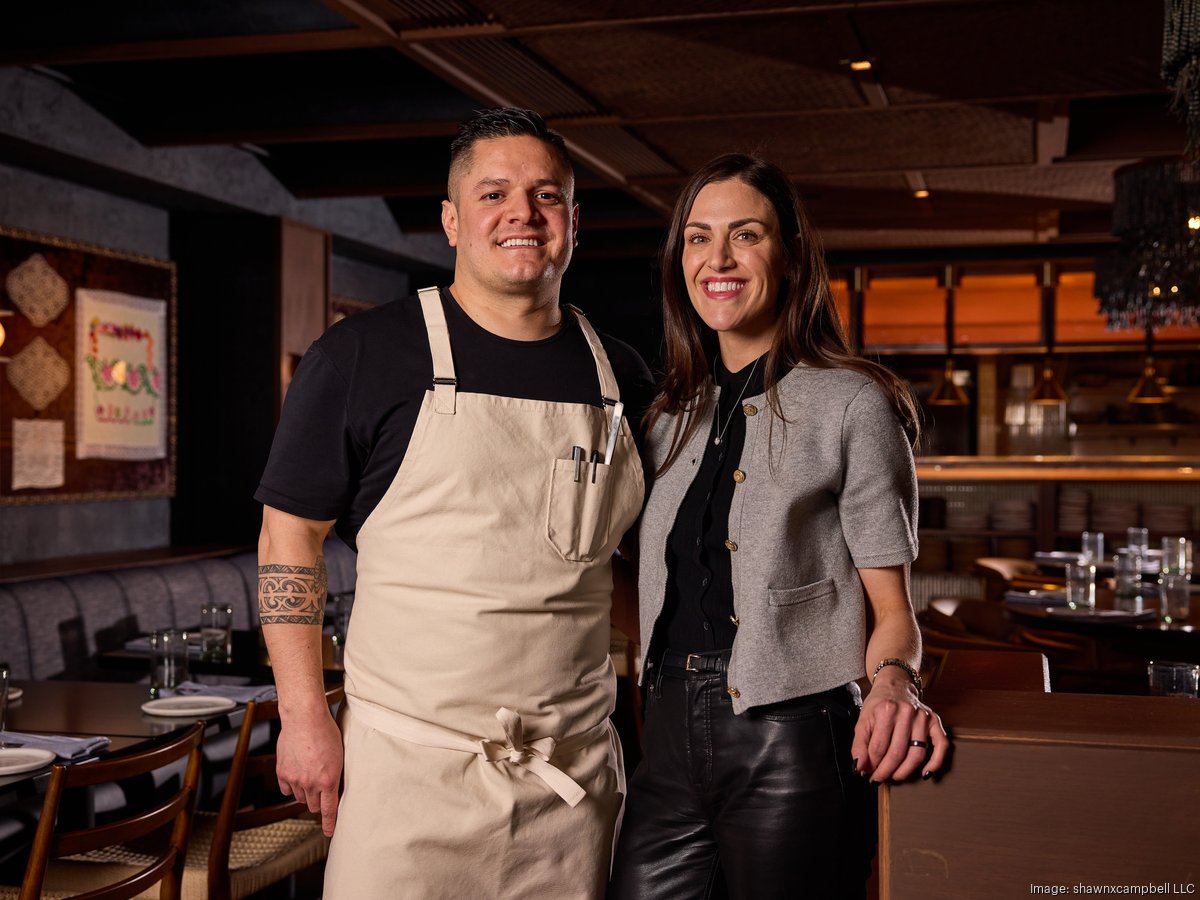
Maize
Denver, CO
Johnny and Kasie Curiel, the husband-and-wife team behind Michelin-starred Alma Fonda Fina, debut their first tasting menu restaurant. The 16-seat Maize explores Mexican cuisine through the lens of masa, featuring an 18-course journey through heirloom corn preparations, regional moles, and ancestral techniques. The intimate format moves guests through multiple stations, from raw preparations to hot dishes showcasing the versatility of Mexico's staple grain.
Oyatte
Murray Hill, NYC
Coming off his second-place finish on Netflix's Culinary Class Wars, chef Hasung Lee opens this 30-seat contemporary fine dining destination. With credentials including Atomix, The French Laundry, and Copenhagen's Geranium, Lee's seasonal menu emphasizes technical precision, fermentation, and preservation—featuring ingredients from Crown Daisy Farm upstate, helmed by former French Laundry head farmer Brett Ellis. Sommelier Cécile Chastanet (formerly of Per Se) leads the wine program with a focus on natural and biodynamic selections.
Atelier
Lincoln Square, Chicago
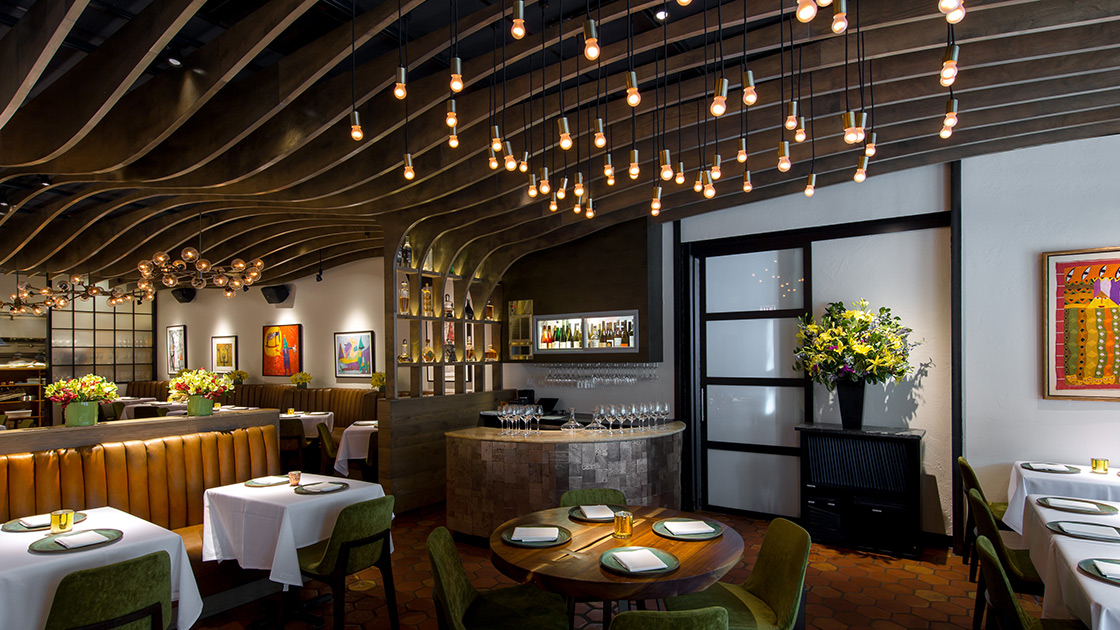
After years in one of Chicago's tiniest fine dining rooms, Michelin-starred Atelier has relocated to a larger Lincoln Square space. Chef Bradyn Kawcak continues his globally influenced, seasonal tasting menus while expanding into a proper bar program featuring natural wines, spirit-free drinks, and accessible small plates like corn fritters and patty melts.
Terroir-Focused & Farm-Driven
2 Restaurants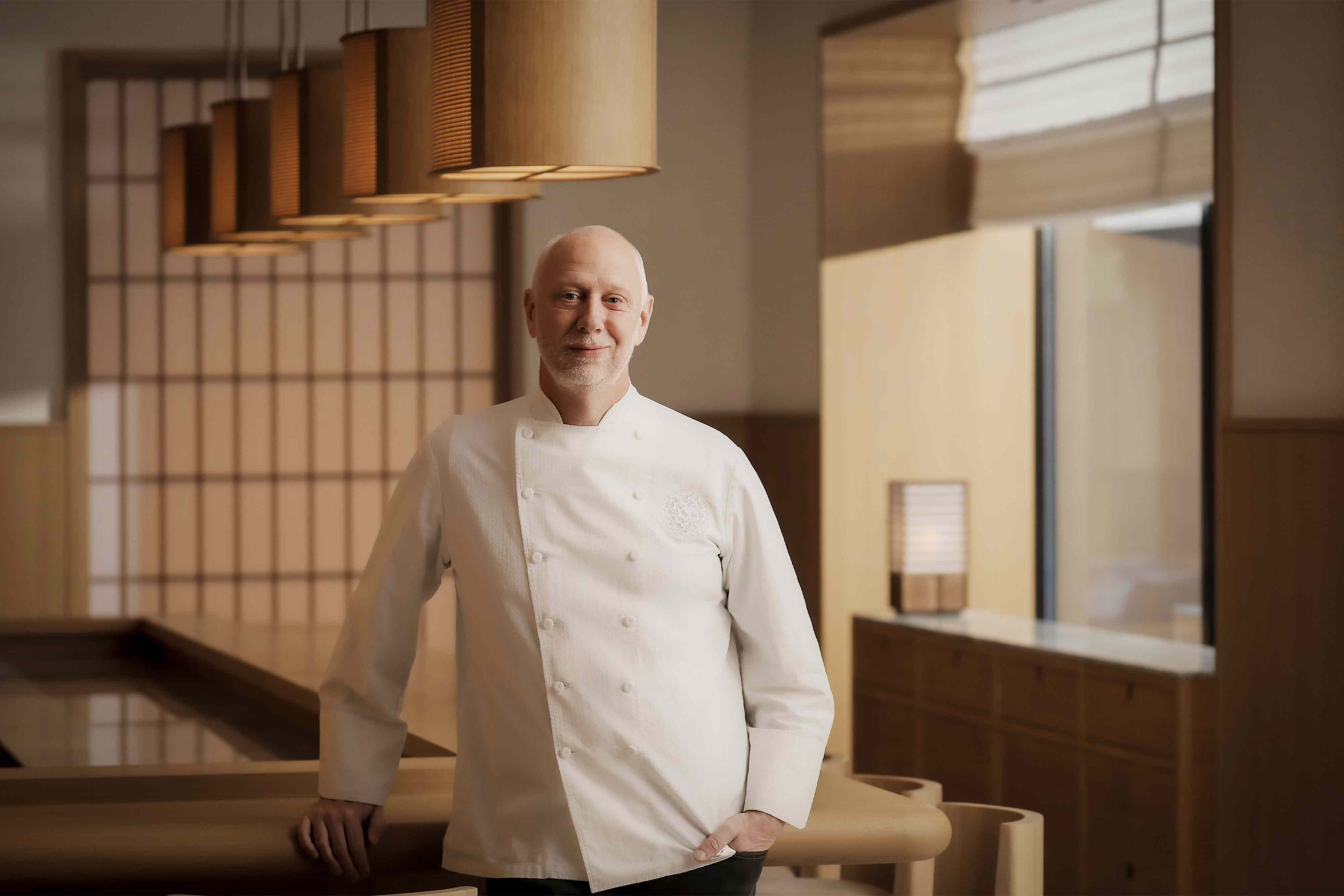
SoNoMa by SingleThread
Kyoto, Japan
In a reverse expansion, Kyle and Katina Connaughton of California's Grand Award-winning SingleThread Farms cross the Pacific to open inside Kyoto's Capella hotel. Drawing from their years living in Japan, the couple will express Sonoma's wine country philosophy through Kyoto's terroir, with Katina working with Kansai region farmers to grow Northern Californian vegetable varieties. The wine program will bridge California and Japanese natural wine producers.
ŠHOTÁ Indigenous BBQ
Minneapolis, MN
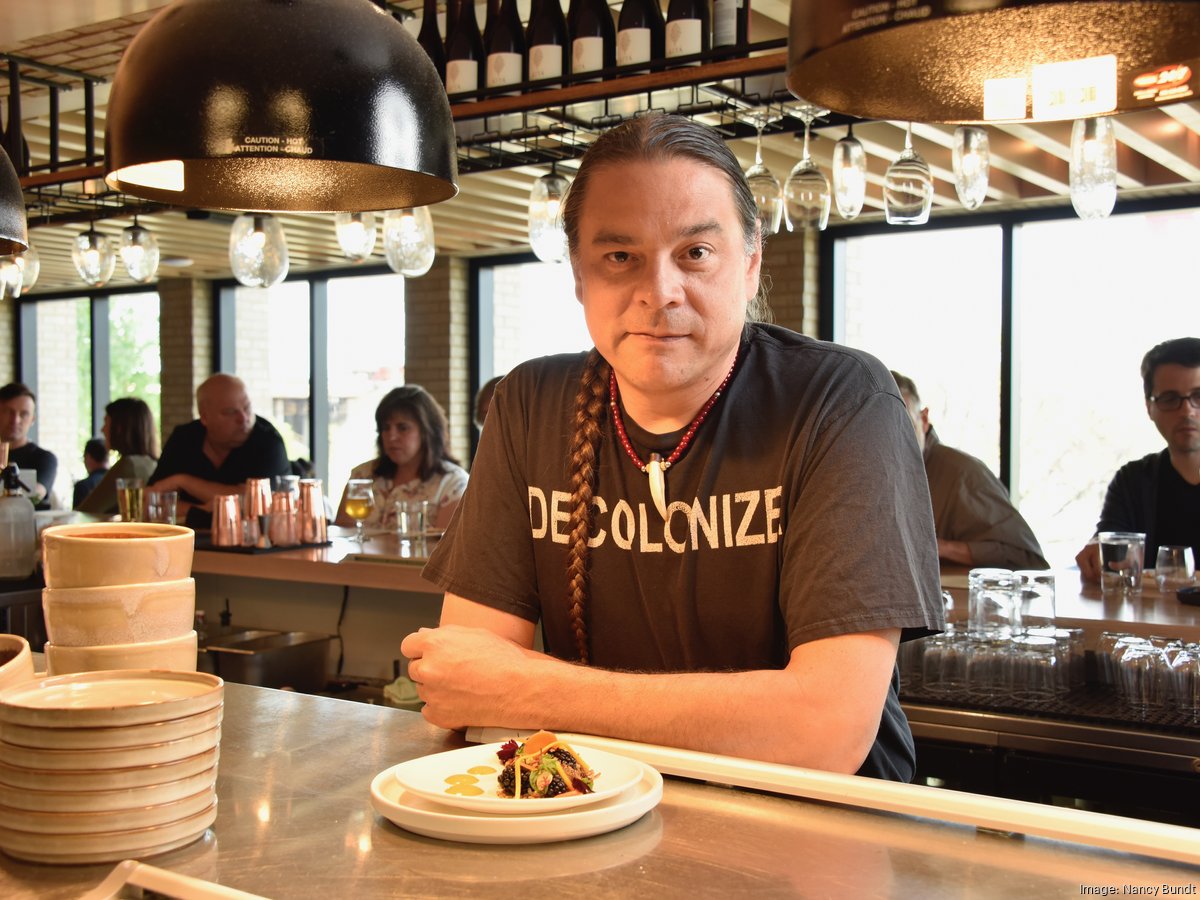
From chef Sean Sherman and NATIFS (North American Traditional Indigenous Food Systems), this casual neighborhood dining concept features three sisters bison stew, braised greens, and indigenous ingredients sourced from local indigenous growers. The beverage program focuses on natural wines and indigenous fermentation traditions, supporting the mission to revitalize Native American foodways.
Neighborhood Gems & Reimagined Traditions
4 RestaurantsEmilia
Fishtown–East Kensington, Philadelphia
Fourteen years in the making, chef Greg Vernick's first opening in over six years reimagines the neighborhood trattoria. Located in Fishtown–East Kensington, Emilia focuses on pasta as the star but moves through seasonal vegetables, antipasti, and wood-fired entrées. Named after a potential baby name shared by Greg and his wife Julie, the restaurant is designed for frequent visits rather than special occasions, with a wine list heavy on Italian natural producers and 21 seats reserved nightly for walk-ins.
Dean's
Soho, NYC
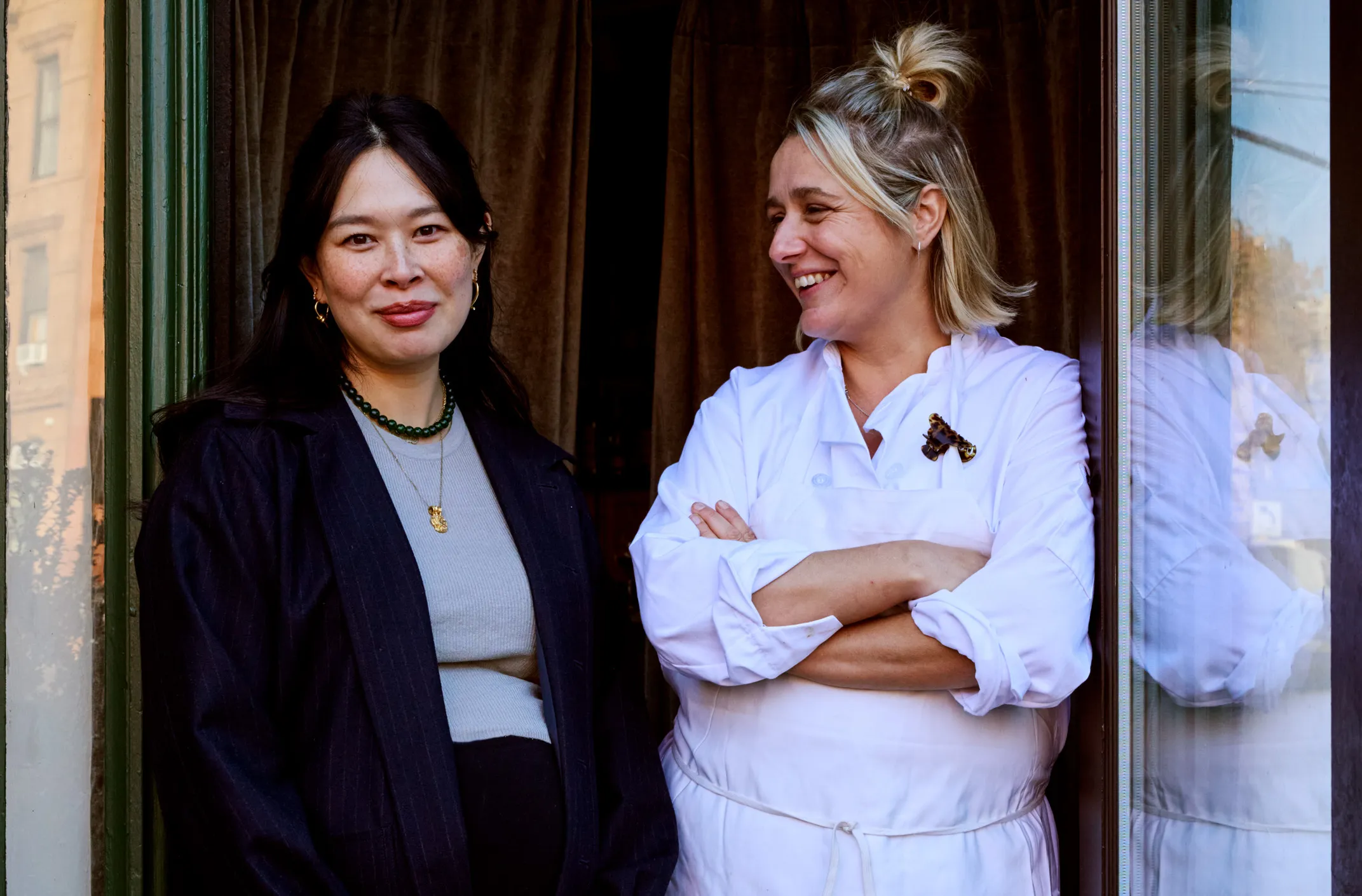
The team behind King (Annie Shi and chef Jess Shadbolt) pivots to British seafood with this Soho pub named after Suffolk dayboat fisherman Dean Fryer. Expect raw oysters, grilled Scottish langoustines, Cornish stargazy fish pies, and sticky syrup pudding. The wine program emphasizes low-intervention British and European bottles alongside traditional ciders.
Gusi
Greenwich Village, NYC
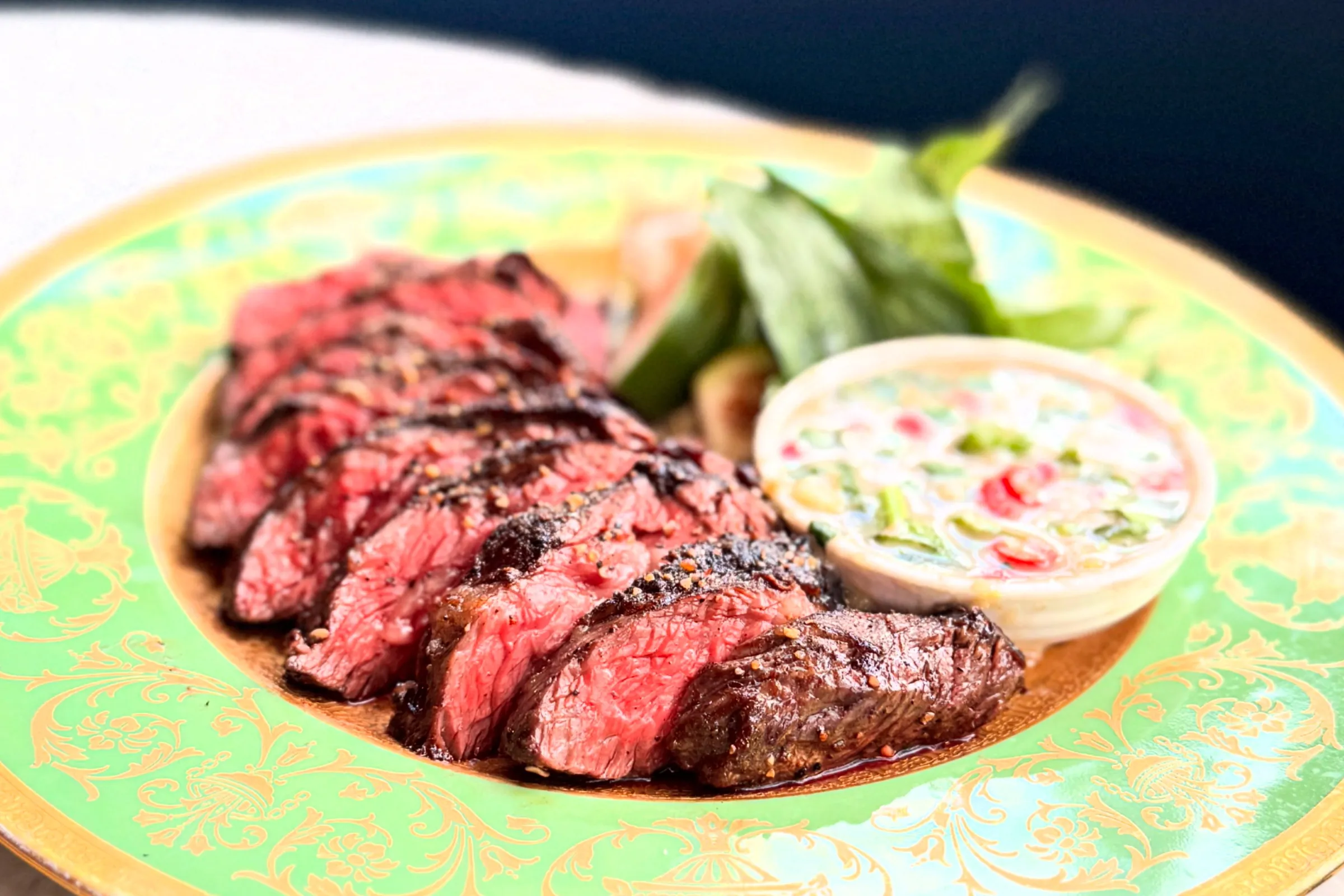
Husband-and-wife team Boris Artemyev and Elena Melnikova introduce Eastern European cuisine beyond borscht and pierogies. Named after the Slavic word for "geese," the two-story Greenwich Village restaurant features multiple borscht variations, puff-pastry dumplings filled with elk and goose, and Mediterranean-influenced options reflecting historical trade routes. The beverage program includes natural Georgian and Eastern European wines.
Saffron
Northeast Minneapolis, MN
Chef Sameh Wadi returns after nearly a decade, diving deeper into his Palestinian and Levantine roots in the former Young Joni space. The menu explores modern Palestinian cuisine with influences from across the Levant, featuring house-made breads, charcoal-grilled meats, and vegetable-forward mezze. The wine list focuses on natural and organic producers from the Eastern Mediterranean and beyond. Wadi and his brother Saed purchased the building, ensuring a permanent home for this revival.
Specialized Concepts
2 RestaurantsMonday Diner
Bushwick, Brooklyn
Pastry chef Caroline Schiff (formerly of Gage & Tollner) finally opens her long-awaited diner, spotlighting desserts alongside savory dishes. The all-day menu features blintzes with lox, grilled green melts on pickle brine-rye bread, and shareable desserts like coconut sheet cakes and sundaes. The beverage program includes natural wines by the glass and carafe, perfect for pairing with her signature pastries.
Hōp
Red Hook, Brooklyn
Named after the Khmer word for "eat," this Cambodian restaurant and cocktail bar from Red Hook Tavern alumni Bun Cheam and Cait Callahan brings beef skewers, prahok ktiss (Khmer funky pork dip), whole branzino roasted in banana leaves, and wok-fried noodles to the former Seward Co-op Creamery space. Currently operating as a pop-up at Runner Up in Park Slope, the permanent location will feature aromatic whites and light reds to complement the bold flavors of Cambodian cuisine.
What This Wave Reveals
The class of 2026 reflects a shift toward specificity and authenticity: chefs returning to more accessible formats after years of tasting-menu dominance, a renewed focus on natural wine as standard rather than exception, and hyper-specialized concepts that dive deep into single ingredients or regional traditions. Whether it's Sean Sherman's Indigenous BBQ or Maize's masa-centric tasting menu, the throughline is a commitment to low-intervention practices in both kitchen and cellar.
